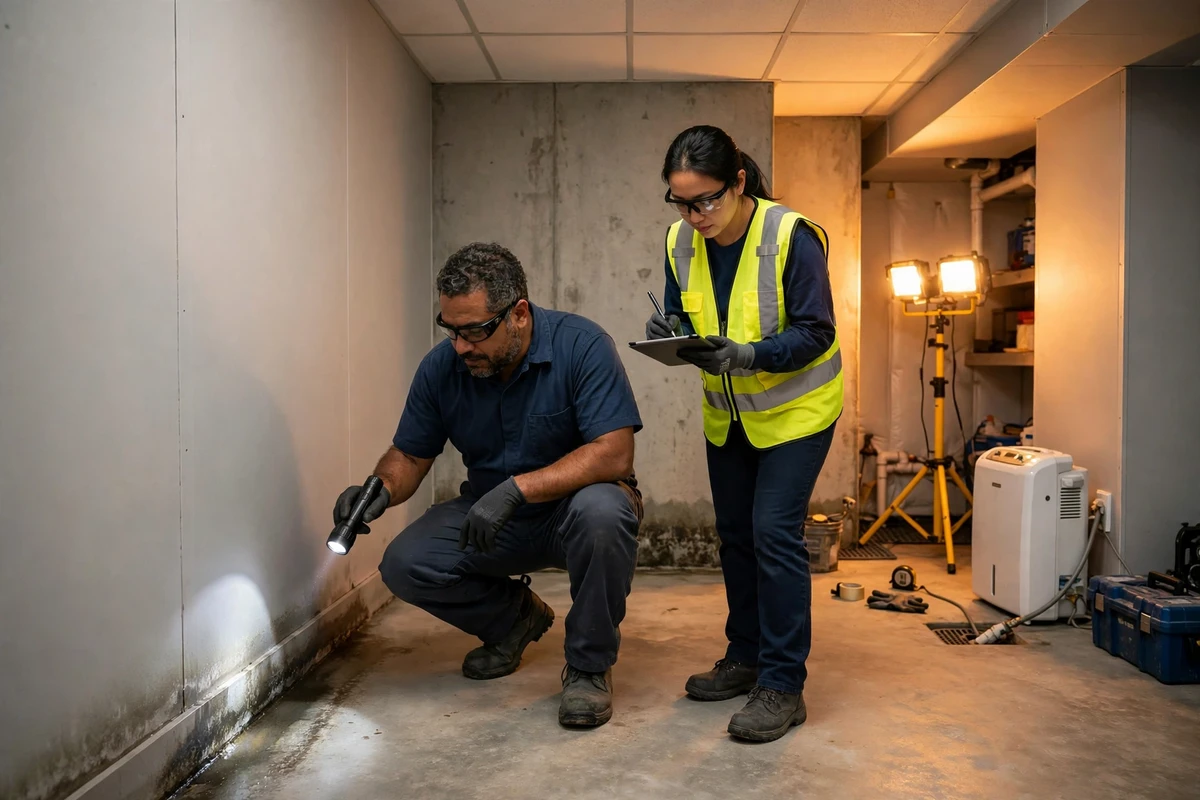
What Drives Basement Water: Waterproofing in Bayport
Bayport sits on the Great South Bay with older homes and waterfront neighborhoods south of Montauk Highway.
Suffolk's South Shore faces the Great South Bay and Moriches Bay, with canals, creeks and marsh running behind many neighborhoods. The water table is high near the bay and rises with storm tides, so basements and crawl spaces in canal neighborhoods can flood from below.
Housing near the water ranges from small summer bungalows converted to year-round homes to raised houses built to current flood codes. Bulkheads along the canals hold back the water; when they fail, the ground behind them can erode and settle.
What that means for waterproofing in practice: Crawl space encapsulation and drainage are common on homes that were raised or that never had a full basement. Inland of the bay, where ground is higher, gutter and grading fixes do more of the work.
This page covers Bayport, ZIP code 11705. Watch for water at the base of walls after full-moon high tides; it's an early sign the water table is reaching your foundation.
Types of Waterproofing Services for Bayport Homes
These are the services that matter most given local conditions on Suffolk County's South Shore, listed with the warning signs to look for in a Bayport home.
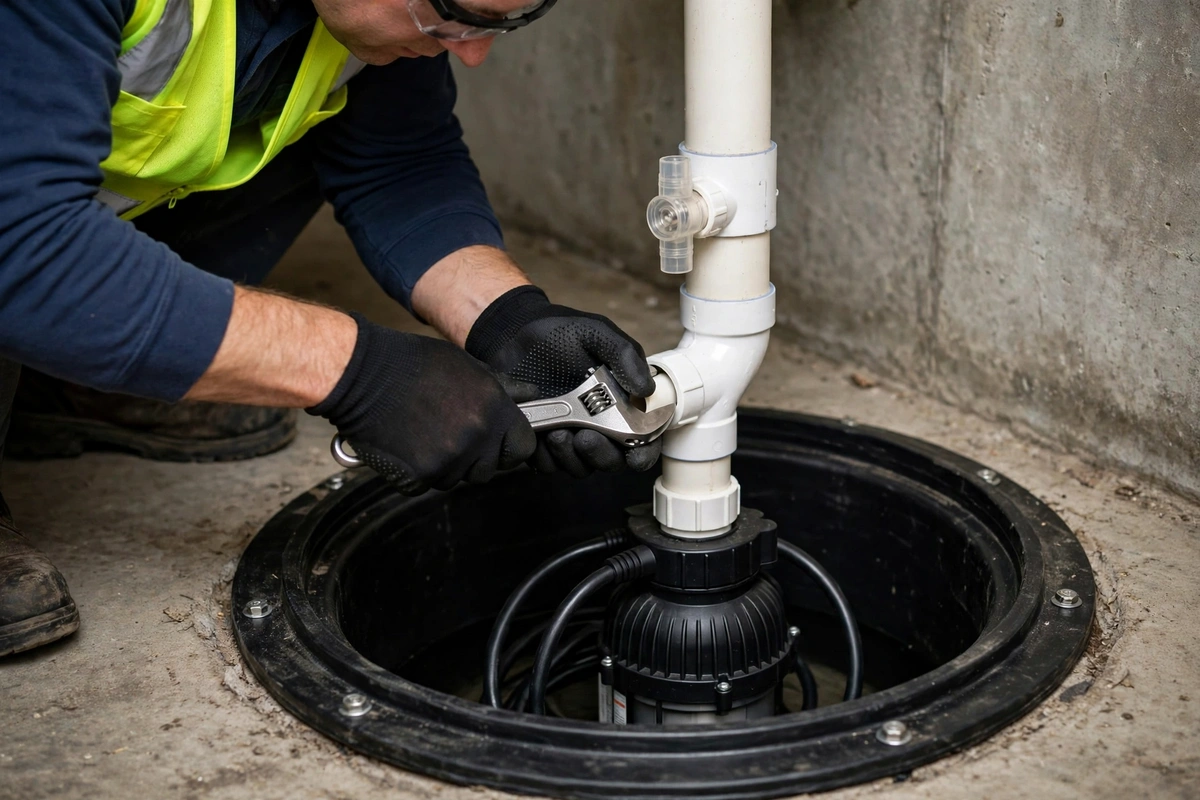
Sump Pump Installation and Replacement in Bayport
Your sump pump is the last line of defense, so it pays to choose it carefully. A cast-iron or heavy-duty pump sized to the real inflow, a vertical or tethered float that can't snag on the pit wall, a check valve, a sealed lid and a discharge that ends well away from the foundation are the basics. A battery backup or water-powered backup covers storms that cut power, and an audible high-water alarm warns you before the floor gets wet.
For Bayport homes, this is often one of the first things a pro will look at.
- Loud grinding, rattling or humming
- Discharge line that ends right next to the house
- Water in the pit but the pump doesn't start
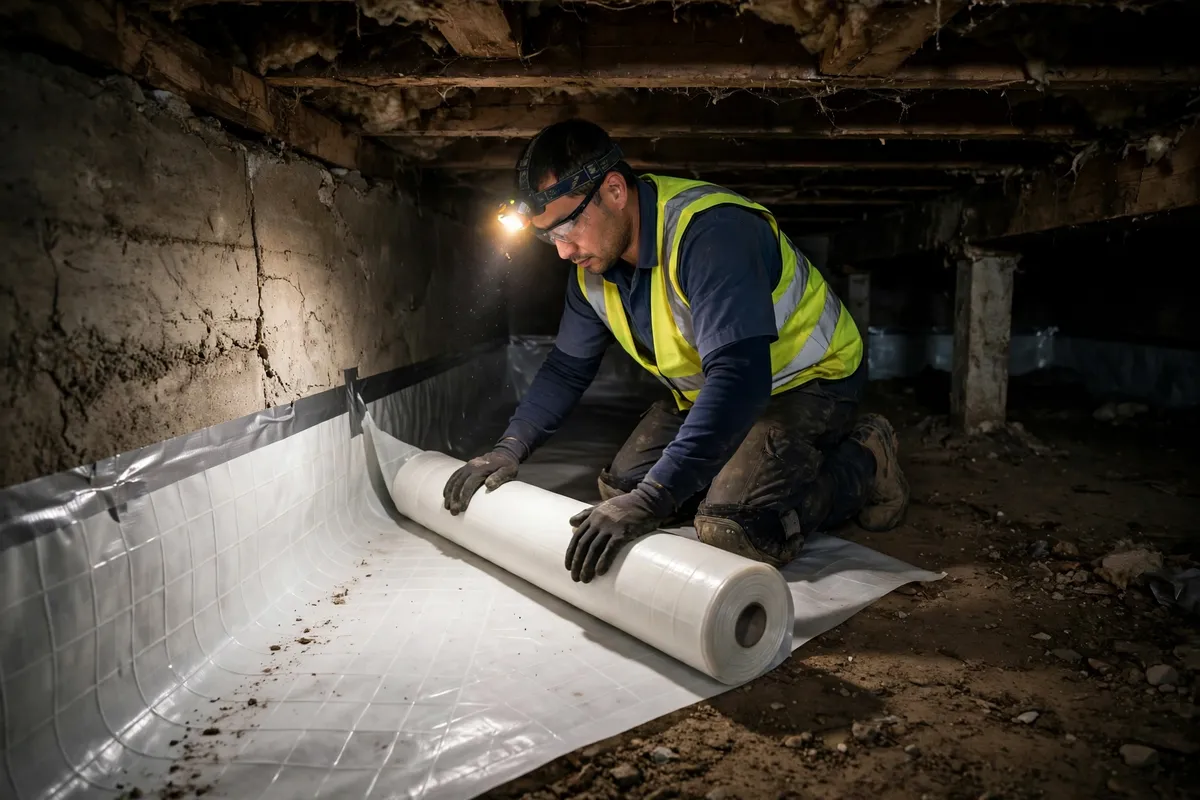
Crawl Space Waterproofing in Bayport
Moisture from a damp crawl space rises into the house: a large share of the air on the first floor can come from below. Signs of a problem include musty smells, cupped wood floors, sagging insulation and mold on joists. Encapsulation usually includes sealing the vents and rim joists, insulating the walls rather than the floor above, and adding a dehumidifier to keep relative humidity in a safe range.
In Bayport, this ranks among the most frequent reasons homeowners call.
- Cupping or buckling hardwood floors
- Insulation falling down between floor joists
- Musty smell on the first floor
Interior Waterproofing for Bayport Basements
Interior waterproofing manages water that has already reached the foundation instead of trying to stop it at the outside face of the wall. The usual system is a perforated drain laid in a channel cut along the inside perimeter of the floor, a dimpled membrane or wall panel that guides seepage down into that drain, and a sump that pumps the water out. Because nothing outside the house is dug up, it's the approach most often used where yards are small, driveways and patios abut the house, or neighboring buildings are close.
For Bayport homes, this is often one of the first things a pro will look at.
- Water along the floor-wall joint after rain or snowmelt
- Peeling paint or bubbling wall coatings
- Damp carpet or warped flooring in a finished basement
Gutter, Downspout and Grading Fixes in Bayport
Before paying for a drainage system, walk around the house in a heavy rain. Look for gutters spilling over, downspouts emptying beside the foundation, and puddles that form against the wall. Extending downspouts, adding splash blocks or burying discharge lines, cleaning and resizing gutters, and rebuilding the soil grade so it falls away from the house solve a surprising share of basement leaks at a fraction of the cost of other repairs.
- Soil, mulch or patios that slope toward the house
- Downspouts that end within a few feet of the foundation
- Basement leaks on the same side as a downspout
Basement Dehumidification in Bayport
Basement air carries a lot of moisture in summer, and when it touches cool concrete it condenses. That's why some basements smell musty and grow mildew without ever having a leak. A dedicated basement dehumidifier set to hold humidity around 50 percent, ideally draining to a pump or floor drain so it never stops when a bucket fills, keeps the air dry. Insulating cold walls and pipes and sealing gaps at the rim joist cut down the condensation at its source.
- Windows that fog up in summer
- Condensation on cold water pipes or walls
- Mildew on stored boxes, clothing or furniture
Foundation Crack Sealing in Bayport
Leaking cracks in poured walls are one of the most straightforward basement repairs. The crack is cleaned, sealed on the surface, and injected through ports so the material fills it from the inside face through to the soil side. Flexible polyurethane stops water and tolerates small seasonal movement; rigid epoxy restores strength where that's needed. If the crack is in a block wall, or it's wide, offset or getting worse, have its cause checked before relying on a seal alone.
- A crack that has been patched and leaks again
- Cracks wider than about 1/8 inch
- Rust stains coming from a crack (a sign of corroding rebar or wall ties)
Other Waterproofing Services
Pros serving Bayport also handle backwater valves and sewer backup protection, french drain and yard drainage, exterior foundation waterproofing. These come up less often locally but follow the same approach: find the source, then fix it.
Before You Call: What to Check
- Check where your downspouts discharge and whether gutters overflow.
- Take photos of wet areas, cracks and stains, with dates.
- Check your sump pump, if you have one, and note how often it runs.
- Note when water appears: during rain, a day later, during snowmelt, or only in humid weather.
How Local Pros Typically Handle the Job
- Inspection. Expect questions about when the water shows up, plus a walk around the outside of the house to check gutters, grading and window wells.
- Diagnosis. A clear explanation of the cause should come before any recommendation, so you know why a given system is being proposed.
- Recommendation. You get a written scope: interior or exterior work, sump details, crack repairs, drainage changes and a price.
- Installation and follow-up. After installation, the system is tested and you're shown how to maintain the sump and keep drains clear.
Bayport Waterproofing FAQ
Why does my Bayport basement smell musty even when the floor is dry?
Humid summer air condenses on cool basement walls and floors, and moisture can wick through concrete without visible water. A hygrometer reading above about 60 percent humidity is a sign the air needs drying. Inland of the bay, where ground is higher, gutter and grading fixes do more of the work.
Do I need interior or exterior waterproofing for my Bayport home?
Interior drainage with a sump manages water that reaches the wall and is the more common choice where lots are small or hardscape surrounds the house. Exterior waterproofing stops water at the outside face of the wall and suits finished basements and larger lots. A pro should explain which fits your home after inspecting it.
What should I ask a waterproofing contractor serving Bayport?
Ask where they think the water is coming from and why, what the system includes, where the sump discharges, how it should be maintained and what the warranty covers. Comparing written scopes makes quotes easier to weigh.
Dawn Waterproofing connects homeowners with independent local service providers and does not perform the work. Availability, licensing, pricing and scheduling are set by the provider you speak with.