Expert Waterproofing Services from Qualified Pros Nearby
When water starts showing up where it should not, the right help can make all the difference. Connect with experienced local pros near you for basements, foundations, crawl spaces, leaks, moisture, drainage, and more.
Service Areas
Browse the cities listed under each state to check local coverage, then call to discuss your property and the waterproofing help you need.

Find Local Pros for Waterproofing in Alabama
Alabama properties can face heavy rainfall, humid conditions, groundwater movement, and drainage challenges that leave basements, crawl spaces, and foundations vulnerable to moisture. If you are noticing damp walls, seepage, musty odors, standing water, or recurring leaks, the right waterproofing approach starts with identifying where the water is entering and how it is moving around your property.
Use the city listings below to check whether your community is included. Once you find your city, call to discuss the water, moisture, drainage, or foundation issue affecting your property.
Check Availability of Licensed Waterproofing Pros in Your Alabama City
From basement seepage to foundation moisture and drainage concerns, waterproofing needs can vary from one Alabama property to another. If water is getting where it should not, discuss the conditions with a waterproofing specialist and find out what options may fit your property.

Find Local Pros for Waterproofing in Georgia
Georgia’s warm, humid climate and periods of heavy rain can put added pressure on foundations, basements, and crawl spaces. Persistent dampness, water staining, seepage, or moisture after storms may signal a problem that deserves attention before it spreads. Local waterproofing professionals can assess the conditions around your property and discuss practical ways to manage water.
Use the city listings below to check whether your community is included. Once you find your city, call to discuss the water, moisture, drainage, or foundation issue affecting your property.
Find Waterproofing Help in Your Georgia Community
Whether the concern is a damp crawl space, foundation seepage, or water after a major storm, the first step is understanding the source. Get waterproofing help for your Georgia property and discuss the right approach for controlling unwanted moisture.

Find Local Pros for Waterproofing in Illinois
Illinois properties can encounter significant seasonal moisture, heavy precipitation, groundwater pressure, and freeze-thaw conditions. Those factors can contribute to foundation seepage, basement dampness, and crawl space moisture. If water is finding its way indoors, waterproofing help can address the source and the pathways allowing moisture to enter.
Use the city listings below to check whether your community is included. Once you find your city, call to discuss the water, moisture, drainage, or foundation issue affecting your property.
Locate Waterproofing Pros Near Your Illinois Property
Recurring moisture is easier to address when the source and path of the water are understood. If your Illinois property needs basement, foundation, crawl space, or drainage attention, connect with a waterproofing specialist to discuss the situation.

Find Local Pros for Waterproofing in Indiana
Indiana homes and properties can experience wet springs, heavy storms, changing groundwater conditions, and seasonal temperature swings. Basement seepage, foundation leaks, and damp crawl spaces can become recurring concerns when water is not properly managed. A waterproofing specialist can help identify the problem areas and determine what type of protection fits the property.
Use the city listings below to check whether your community is included. Once you find your city, call to discuss the water, moisture, drainage, or foundation issue affecting your property.
Check Local Waterproofing Coverage Across Indiana
A small moisture problem can point to a larger water-management issue around a property. If you are seeing seepage or dampness in Indiana, get the waterproofing guidance you need and explore practical ways to protect the affected area.
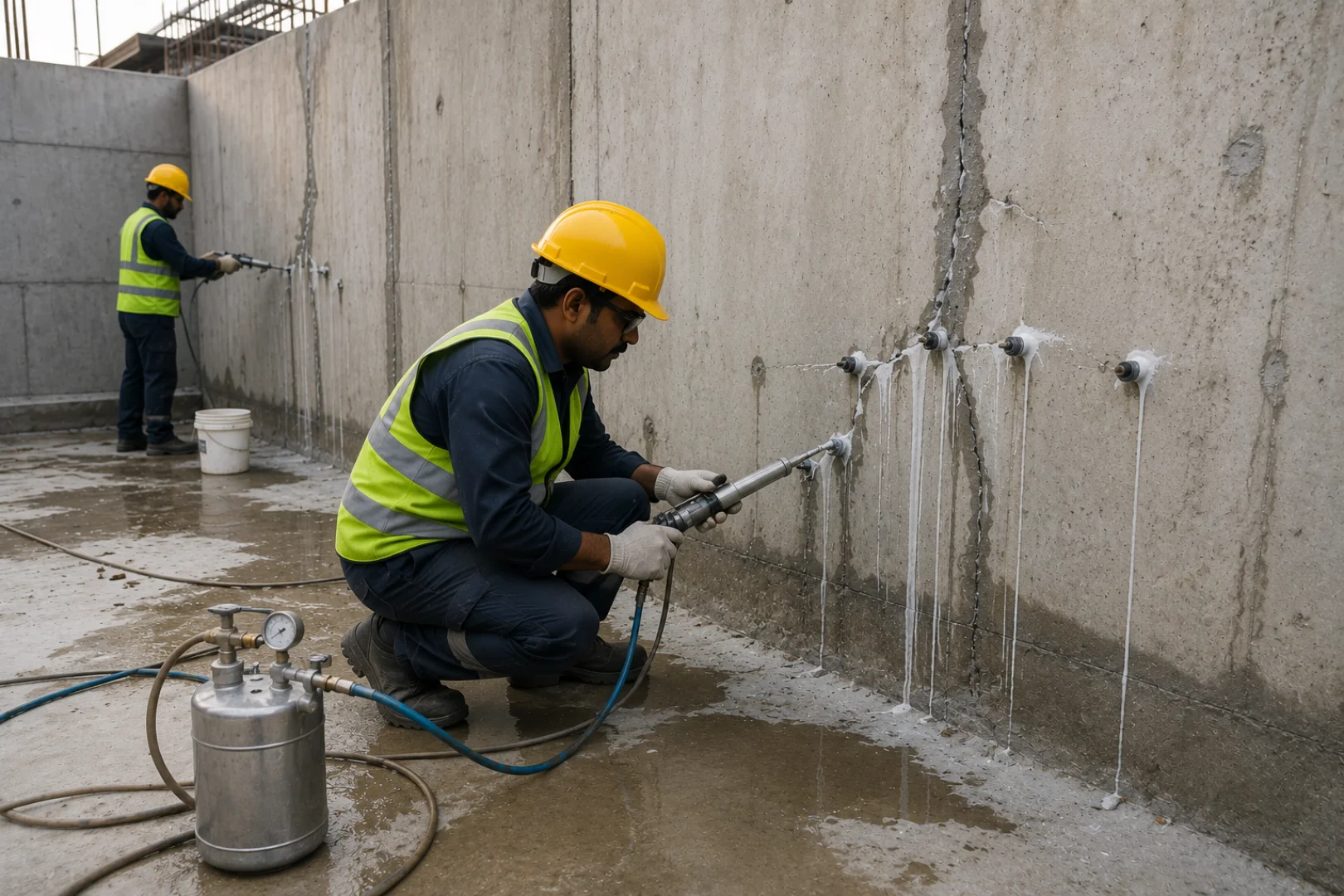
Find Local Pros for Waterproofing in Maryland
Maryland properties may deal with heavy rain, groundwater, humidity, and varied soil and drainage conditions. These factors can contribute to basement moisture, foundation seepage, and water collecting around a home. If you have noticed dampness or recurring leaks, waterproofing professionals can help evaluate the source and possible solutions.
Use the city listings below to check whether your community is included. Once you find your city, call to discuss the water, moisture, drainage, or foundation issue affecting your property.
Find Waterproofing Assistance in Your Maryland Area
Waterproofing needs are property-specific, and the right solution depends on where water is entering and how it is being managed outside. If your Maryland home has recurring moisture, speak with a waterproofing specialist about the problem.
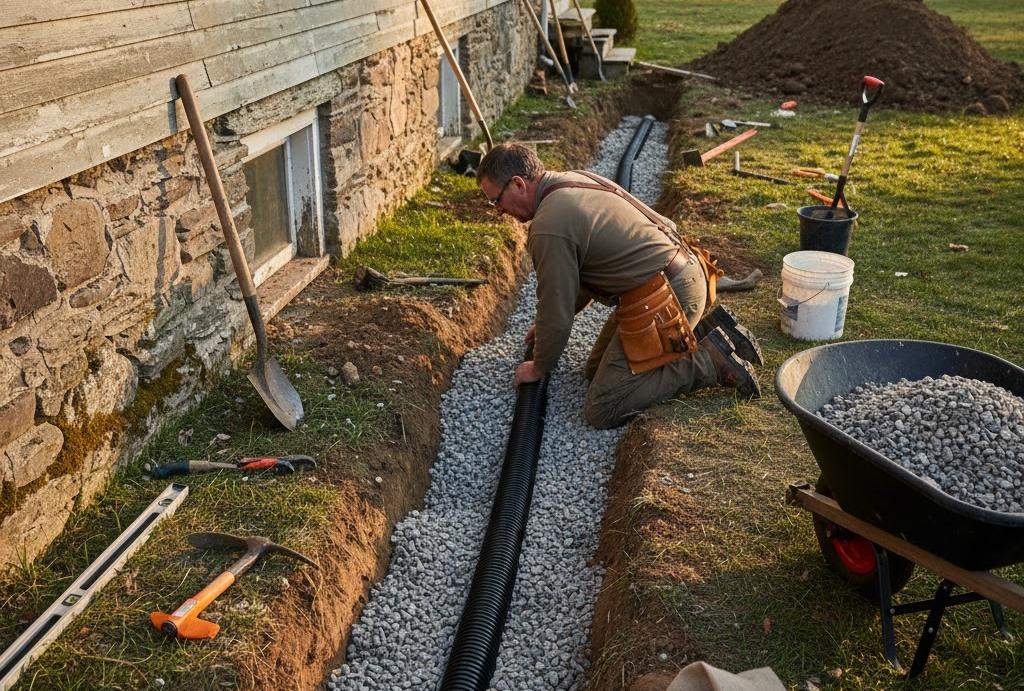
Find Local Pros for Waterproofing in Minnesota
Minnesota’s snow, spring thaw, heavy rainfall, and freeze-thaw cycles can create demanding conditions around foundations and below-grade spaces. Water can enter through cracks, joints, walls, floors, or other vulnerable areas. Proper waterproofing and drainage can help reduce moisture problems and protect valuable interior space.
Use the city listings below to check whether your community is included. Once you find your city, call to discuss the water, moisture, drainage, or foundation issue affecting your property.
Explore Waterproofing Options Near Your Minnesota Property
Below-grade moisture can become especially troublesome when seasonal water and freeze-thaw conditions are involved. If your Minnesota property is showing signs of seepage or dampness, explore waterproofing options with a qualified specialist.
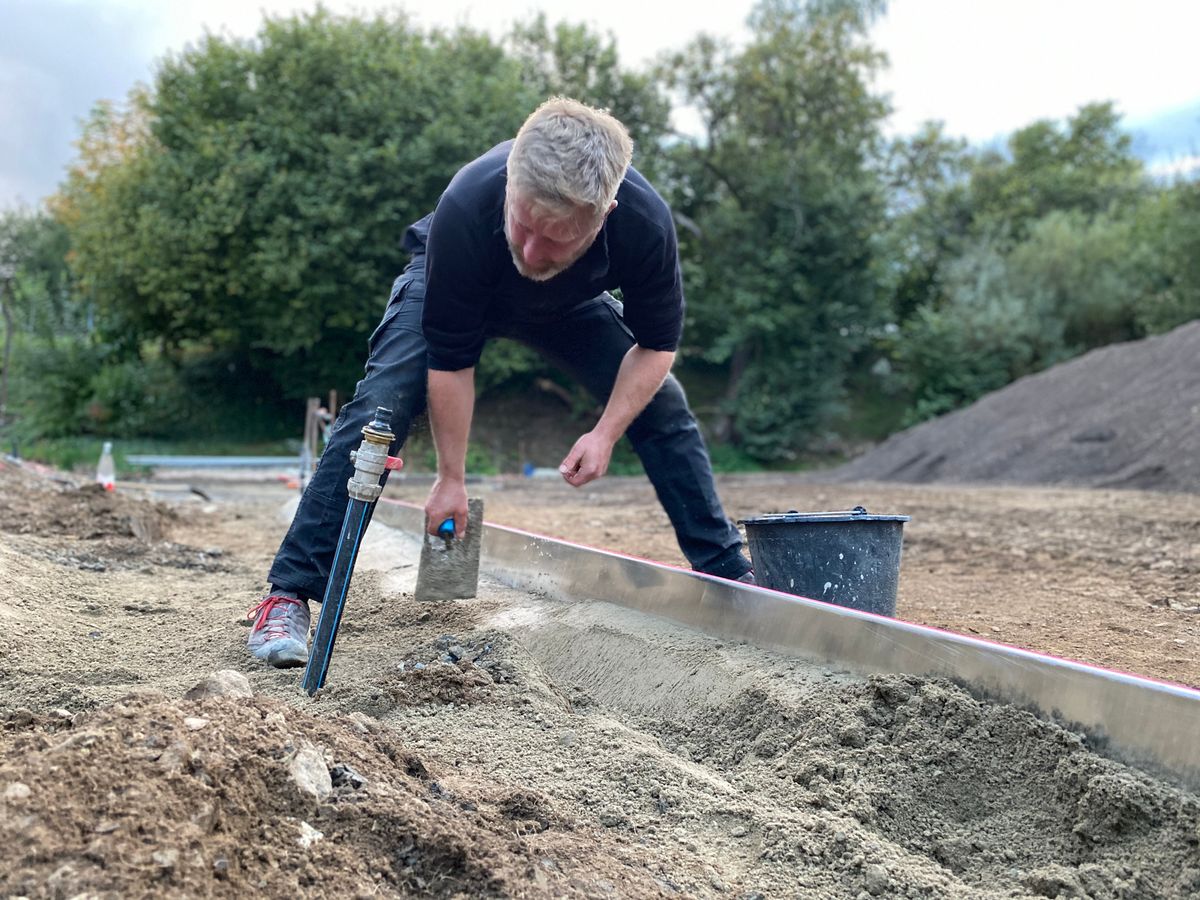
Find Local Pros for Waterproofing in North Carolina
North Carolina properties can face heavy rainfall, humidity, storms, and changing groundwater conditions. Those conditions may contribute to water intrusion around foundations, basements, and crawl spaces. If your property develops damp areas, seepage, or recurring leaks, local waterproofing help can address the conditions behind the problem.
Use the city listings below to check whether your community is included. Once you find your city, call to discuss the water, moisture, drainage, or foundation issue affecting your property.
See Where Waterproofing Help Is Available in North Carolina
Storms and persistent moisture can expose weaknesses around foundations and below-grade spaces. If your North Carolina property needs help with water intrusion, explore waterproofing services and discuss the conditions with a specialist.

Find Local Pros for Waterproofing in New Jersey
New Jersey properties can encounter heavy precipitation, groundwater pressure, seasonal temperature changes, and drainage challenges. Basements and foundations are particularly important areas to watch when water begins collecting near the home. Waterproofing professionals can help trace moisture back to its source and discuss ways to improve protection.
Use the city listings below to check whether your community is included. Once you find your city, call to discuss the water, moisture, drainage, or foundation issue affecting your property.
Locate a Waterproofing Professional Near You in New Jersey
When water repeatedly collects near a home or enters a below-grade space, identifying the source is essential. If you need waterproofing in New Jersey, speak with a specialist about basement, foundation, crawl space, or drainage concerns.
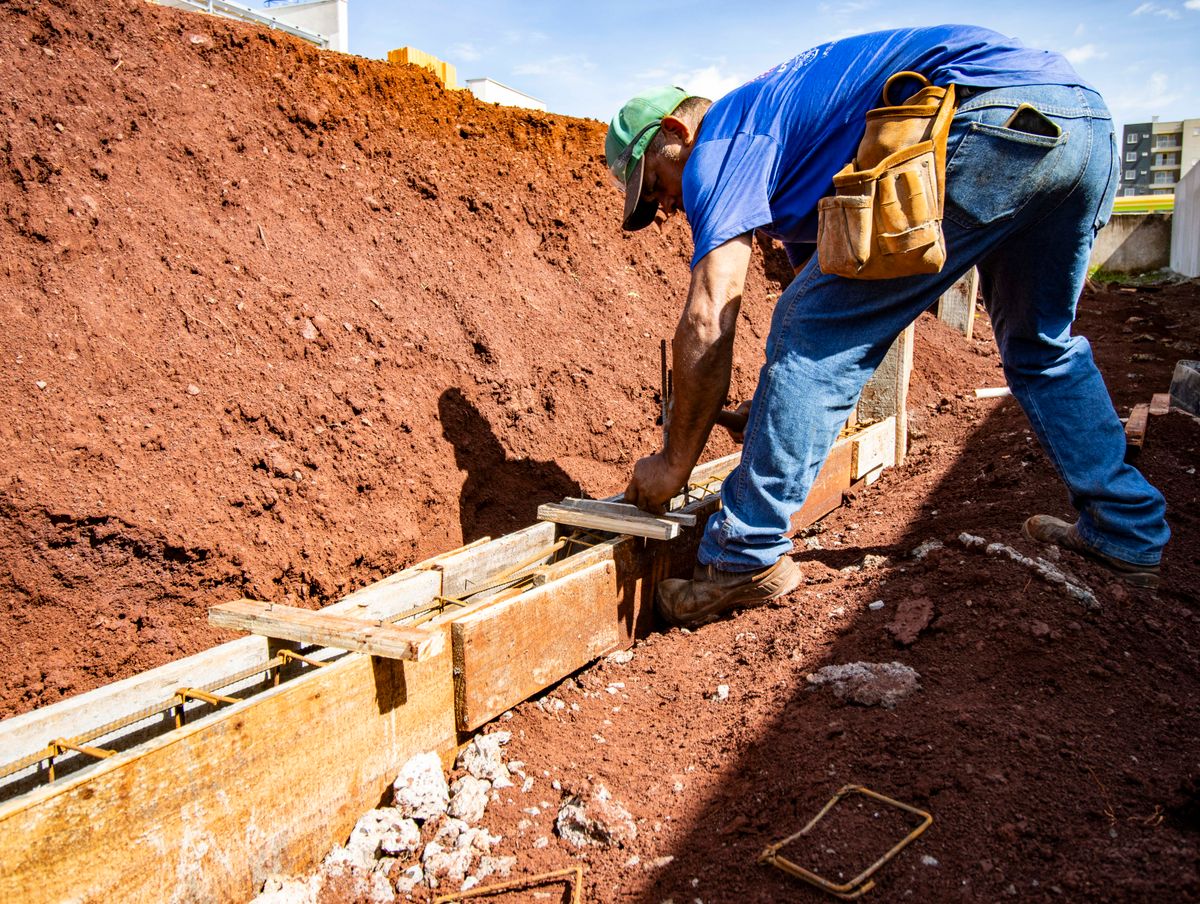
Find Local Pros for Waterproofing in New York
New York properties experience substantial seasonal weather changes, including heavy rain, snow, snowmelt, and freeze-thaw cycles. These conditions can contribute to basement seepage, foundation moisture, and water entering through cracks or joints. Waterproofing services can help property owners respond to recurring moisture before it becomes a larger concern.
Use the city listings below to check whether your community is included. Once you find your city, call to discuss the water, moisture, drainage, or foundation issue affecting your property.
Check for Waterproofing Help in Your New York City or Community
Seasonal moisture can reveal foundation and basement vulnerabilities that are easy to overlook until water appears indoors. If your New York property has recurring seepage or dampness, explore waterproofing services suited to the problem.

Find Local Pros for Waterproofing in Ohio
Ohio’s changing seasons, heavy rainfall, groundwater, and freeze-thaw conditions can place stress on foundations and below-grade spaces. Signs such as damp walls, puddling, staining, or musty odors can point to unwanted moisture. A qualified waterproofing professional can evaluate the conditions and outline appropriate next steps.
Use the city listings below to check whether your community is included. Once you find your city, call to discuss the water, moisture, drainage, or foundation issue affecting your property.
Find Local Waterproofing Options Across Ohio
Water intrusion can take several forms, from isolated seepage to recurring dampness after storms. If your Ohio property is experiencing moisture problems, a waterproofing specialist can help you understand the available options.
Find Local Pros for Waterproofing in Oregon
Oregon properties can experience frequent rainfall, saturated ground, and persistent moisture, particularly during wetter months. Poor drainage or vulnerable foundation areas can allow water to collect around a property and find a path indoors. Waterproofing and drainage services can help manage moisture where it matters most.
Use the city listings below to check whether your community is included. Once you find your city, call to discuss the water, moisture, drainage, or foundation issue affecting your property.
Locate Waterproofing Assistance in Your Oregon Community
Managing water around a property is especially important when wet conditions persist. If your Oregon home has drainage or below-grade moisture concerns, explore waterproofing services and discuss the source of the problem with a specialist.

Find Local Pros for Waterproofing in Pennsylvania
Pennsylvania properties face seasonal rain, snow, runoff, groundwater, and freeze-thaw cycles that can affect foundations and below-grade areas. Basement seepage and crawl space dampness may become more noticeable after prolonged wet weather. Waterproofing professionals can help identify entry points and improve the way water is managed around the property.
Use the city listings below to check whether your community is included. Once you find your city, call to discuss the water, moisture, drainage, or foundation issue affecting your property.
Explore Local Waterproofing Help Across Pennsylvania
Recurring seepage, damp crawl spaces, and foundation moisture can all point to water-management concerns. If your Pennsylvania property needs attention, explore waterproofing options and take the next step toward addressing the source.
Find Local Pros for Waterproofing in Tennessee
Tennessee properties can experience intense rainfall, humidity, storms, and changing soil moisture. Those conditions may contribute to water collecting around foundations, entering basements, or creating damp crawl spaces. Waterproofing services can help address unwanted moisture and improve protection against recurring water intrusion.
Use the city listings below to check whether your community is included. Once you find your city, call to discuss the water, moisture, drainage, or foundation issue affecting your property.
Confirm the Availability of Qualified Waterproofing Specialists in Your Tennessee Area.
Heavy rain can quickly expose drainage and foundation vulnerabilities. If your Tennessee property is experiencing water intrusion or persistent dampness, explore waterproofing services and discuss the best way to address the affected area.
Find Local Pros for Waterproofing in Virginia
Virginia properties can be exposed to heavy rain, humidity, storms, groundwater, and seasonal weather changes. Water that collects near a foundation can eventually find its way into basements and crawl spaces. If moisture is becoming a recurring problem, waterproofing professionals can help assess the property and possible remedies.
Use the city listings below to check whether your community is included. Once you find your city, call to discuss the water, moisture, drainage, or foundation issue affecting your property.
Find Waterproofing Professionals Near Your Virginia Property
From foundation seepage to damp crawl spaces, moisture problems can affect comfort and the condition of a property. If your Virginia home needs waterproofing attention, connect with a specialist and discuss what may be contributing to the issue.

Find Local Pros for Waterproofing in Washington
Washington properties often contend with persistent rainfall and saturated ground, especially during wetter seasons. That makes drainage, foundation protection, and moisture control important considerations for many homes. If you are seeing seepage, dampness, or water around below-grade areas, waterproofing help can focus on where the moisture is coming from and how to manage it.
Use the city listings below to check whether your community is included. Once you find your city, call to discuss the water, moisture, drainage, or foundation issue affecting your property.
Locate Waterproofing Help in Your Washington Community
Persistent wet conditions make effective water management particularly important. If your Washington property has seepage, drainage issues, or below-grade moisture, explore waterproofing services and discuss the right approach with a specialist.

Find Local Pros for Waterproofing in Wisconsin
Wisconsin properties can face snowmelt, heavy rain, groundwater, and freeze-thaw cycles that affect foundations and below-grade spaces. Moisture may enter through cracks, joints, walls, or floors and become more noticeable during wet periods. Waterproofing services can help address recurring seepage and improve water management around the property.
Use the city listings below to check whether your community is included. Once you find your city, call to discuss the water, moisture, drainage, or foundation issue affecting your property.
Check for Local Waterproofing Assistance Across Wisconsin
Seasonal moisture and freeze-thaw conditions can expose weaknesses around foundations and below-grade spaces. If your Wisconsin property has recurring water intrusion, explore waterproofing services and discuss practical solutions with a specialist.
FAQ
Find practical answers about basement moisture, foundation water intrusion, crawl spaces, drainage, waterproofing costs, and related property concerns.
How much does basement waterproofing cost in New York City?
$3,500–$12,000 is a common range for basement waterproofing in New York City, while complex projects can exceed $25,000. Aging brownstones, high water tables, limited exterior access, and dense urban footprints can affect the scope. Interior French drains and sump systems are often considered where exterior excavation is difficult.
Why are basements in Philadelphia and Baltimore prone to foundation wall leaks?
Historic stone, brick, and cinder-block foundations can be vulnerable to hydrostatic pressure, masonry deterioration, and persistent damp conditions. Water may appear through walls, joints, or floors, and some properties also need foundation repair, masonry repointing, or sub-floor sewer and drainage work.
How do Virginia’s clay soils affect crawl spaces and basements in Richmond?
Expansive clay can swell when wet and shrink when dry, contributing to movement around foundations. Cracks, shifting, and water intrusion can follow. Crawl-space encapsulation, vapor barriers, commercial-grade dehumidification, and indoor-air-quality measures may be part of a broader moisture-control plan.
What causes basement flooding during spring thaws in Minneapolis and Milwaukee?
Snowmelt combined with spring rain can saturate or temporarily overwhelm frozen ground, sending runoff toward foundations. Poor grading, gutters, downspouts, and sump systems can make the problem worse. A sump pump with backup power, plus water-damage restoration after a flood, may be needed depending on the event.
How do property owners in Indianapolis and Columbus manage high water tables?
High groundwater can contribute to cove-joint seepage and pressure beneath basement floors. Interior drainage channels, sump systems, and sometimes radon mitigation are considered where below-slab conditions are involved. Sub-slab drainage can also matter before basement remodeling or new flooring.
What are the warning signs of hydrostatic pressure in Chicago area basements?
Efflorescence, damp drywall, recurring seepage, and horizontal hairline cracks can be warning signs that water pressure is acting on the foundation. Depending on the cause, evaluation may involve foundation repair, mold remediation, or concrete repair.
Why is crawl space encapsulation so critical for properties in Atlanta and Charlotte?
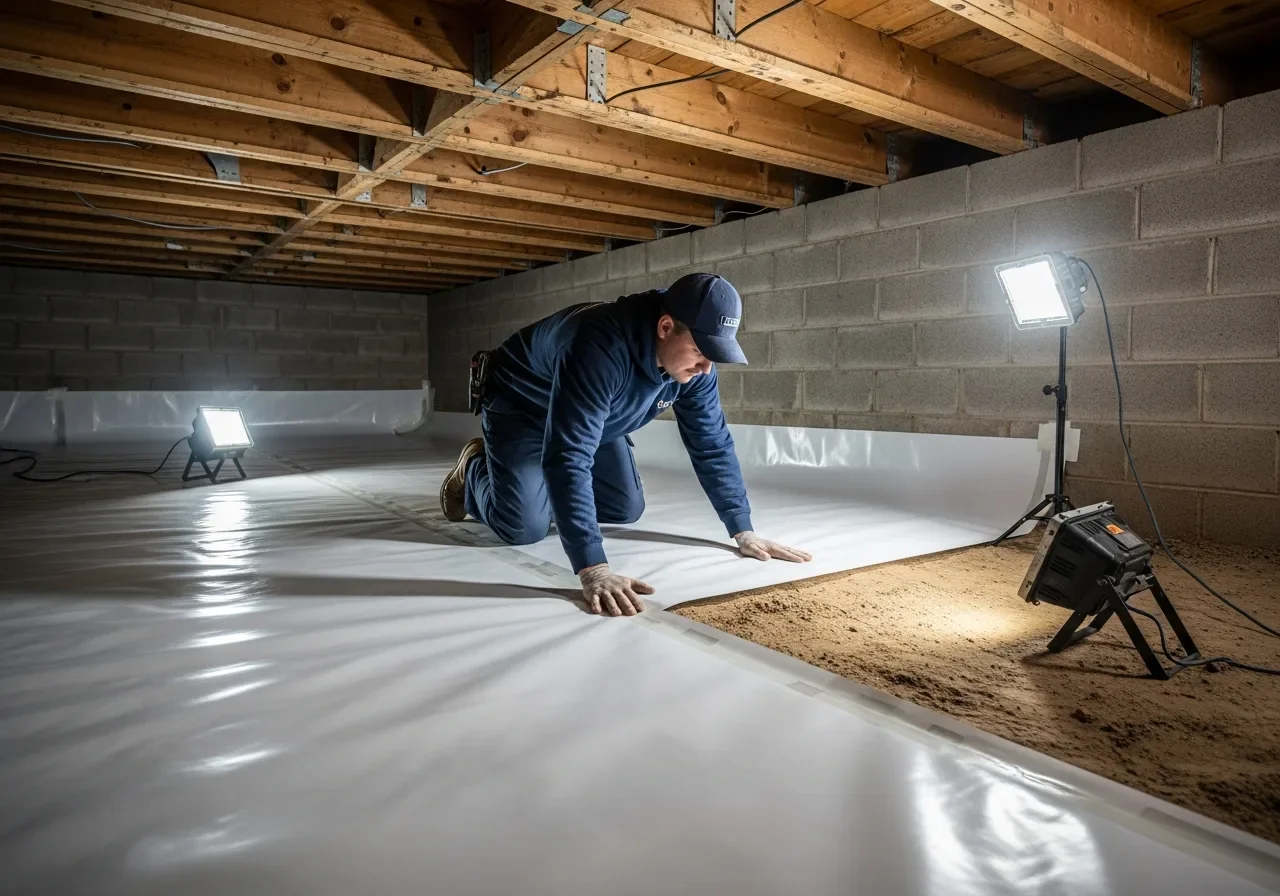
Warm, humid conditions and seasonal precipitation can make crawl spaces prone to persistent moisture. Moisture can contribute to wood-joist deterioration, insulation problems, mold, and indoor-air-quality concerns. Encapsulation, airtight windows or doors, and dehumidification can help control the environment.
How do heavy rainfall events impact foundations in Nashville and Birmingham?
Heavy storms can overwhelm drainage systems, increase runoff against foundations, and sometimes overload sewers. Solutions may include grading changes, exterior excavation, waterproof membranes, drainage improvements, and water-damage restoration or drying after flooding.
How can I find a reliable waterproofing provider in the Southeast without hiring the wrong contractor?
Look for a properly licensed and insured specialist with relevant waterproofing experience, a clear written scope, warranty information, references or project examples, and an on-site assessment that considers moisture, foundation, and drainage conditions. Compare the proposed work rather than choosing from a name alone.
What is the average cost of wet basement repair in Seattle and Portland?
$4,000–$15,000 is a common broad range for wet-basement repair, although the actual scope varies substantially. Persistent rain and saturated soil may require interior moisture management, exterior French drains, plumbing updates, or tree-related work where roots affect drainage.
How do property managers in western Washington handle sloping lots and runoff?
Sloping lots can direct substantial runoff toward foundations. Property managers may address grading, landscaping, retaining walls, and deep-trench drainage where site conditions warrant it. Persistent uncontrolled runoff can contribute to erosion, mudslides, foundation problems, and structural movement.
Can a standard plumber solve groundwater intrusion issues in a Portland building?
A plumber is generally equipped for water mains, internal piping, and sewer or drain problems, but groundwater entering through a foundation is a different issue. A waterproofing or foundation specialist may need to assess sub-floor drainage, wall membranes, grading, and structural drying.
How much does basement waterproofing cost?
For 2026–2027, a broad national average is about $4,500–$5,200, with many projects around $2,300–$8,200. Interior French-drain, sump, and vapor-barrier systems can run roughly $3,000–$10,000; exterior waterproofing can reach $10,000–$30,000 or more. Approximate costs of $3–$10 per square foot are sometimes used, but access, soil, drainage, and structural conditions can change the total substantially.
What are the signs my basement needs waterproofing?
Standing water, damp spots, efflorescence, musty odors, peeling paint, bubbling drywall, rust, foundation cracks, cove-joint seepage, and sticking doors or windows can all justify an inspection. Foundation repair can range from roughly $500 for minor work to $20,000 or more for major underpinning, so identifying the cause early matters.
How much does it cost to repair a foundation crack?
Interior crack injection may cost roughly $250–$800 per crack. Epoxy is often around $350–$800, polyurethane $400–$1,000, carbon-fiber reinforcement about $800–$2,000 per strap, and exterior crack-area repairs about $2,000–$7,000. Structural underpinning can reach $10,000–$30,000 or more depending on scope.
What is the difference between interior and exterior basement waterproofing?
Interior waterproofing commonly falls around $3,000–$10,000 and may use French drains, sump pumps, vapor barriers, and crack sealing. Exterior waterproofing can cost about $10,000–$30,000 or more and may involve excavation, membranes, and footing drainage. The appropriate approach depends on the water source, access, foundation condition, and drainage.
How much does a French drain cost to install?
An exterior foundation drain may cost roughly $30–$90 per linear foot, with many residential projects around $2,800–$6,500. Interior French drains can run about $4,000–$12,000. Shallow yard drains may cost $1,000–$2,500 and curtain drains about $1,200–$4,000. Length, soil, access, sump requirements, and dry-well conditions affect pricing.
How much does sump pump installation cost?
A sump pump installation averages roughly $1,200–$1,600, with a broader typical range of $500–$4,000. Pedestal systems may be $500–$800, new submersible systems with a pit around $1,200–$3,000, battery backups about $600–$1,500, and replacements around $400–$1,000. Larger systems can cost $3,500–$6,500.
What is crawl space encapsulation and how much does it cost?
Encapsulation commonly uses 10–20 mil poly, sealed vents, insulation, and often a dehumidifier or sump system. A broad average is about $5,500, with projects ranging from roughly $1,500–$15,000. Costs of $3–$7 per square foot are common, potentially reaching $10 with severe moisture, mold, or structural work.
How do I tell if basement water is coming from outside or inside the home?
Outside water commonly appears at the cove joint, lower walls, or cracks after rain or when the water table is high, especially where grading or drainage is poor. Inside water may trace to a specific pipe route, appliance, or plumbing event regardless of weather. Rain-related patterns often point toward exterior drainage, French drains, gutters, or downspouts. If you suspect a plumbing source, a plumber can help evaluate internal water lines and drains; a waterproofing specialist can assess exterior entry paths.
What causes basement water problems even if I don’t see cracks?
Hydrostatic pressure, a high water table, poor grading, gutters and downspouts, failed or missing weeping tile, condensation, and clay-soil conditions can all create moisture problems without an obvious crack. A home inspection or moisture survey can help distinguish the source.
How long does basement waterproofing take?
Interior waterproofing commonly takes about 1–3 days. Removing finished walls and restoring or remodeling affected areas can add another 2–5 days. Exterior waterproofing often takes about 3–7 days, while crawl-space encapsulation may take 1–2 days. Weather, access, excavation, and project size can change the schedule.
Does homeowner’s insurance cover basement waterproofing?
Generally, preventive waterproofing and gradual seepage are not covered as maintenance. Sudden accidental water events may be covered depending on the policy, while flood losses may require flood insurance. Restoration after a covered event can be treated differently from the underlying waterproofing work. Sump-pump failure coverage also depends on the policy.
What should I look for in a waterproofing contractor?
Look for licensing and insurance where required, relevant specialization, a clear warranty, references or project photos, a detailed written estimate, and an inspection that considers both interior and exterior drainage. Ask who will perform the work, what materials are proposed, what conditions could change the price, and whether any warranty is transferable.
How much does foundation repair cost?
A broad national range is roughly $2,000–$7,800, with an average around $4,700–$5,000. Crack repairs may be $250–$800, leak repairs $2,000–$7,000, bowed walls $4,000–$12,000, slab leveling $500–$1,300, and piers roughly $1,000–$3,000 each. Full pier systems can reach $9,000–$40,000 or more, while major foundation replacement can exceed $20,000–$100,000.
What is the best way to stop basement flooding?
Keep surface water moving away from the foundation: a common grading target is about a 6-inch drop over 10 feet, with downspouts discharging roughly 6 feet or more away where practical. Interior French drains, sump pumps with battery backup, crack sealing, vapor barriers, and exterior membranes or footing drains may be appropriate. Whole-property drainage, sewer or drain conditions, and septic issues can also matter.
How much does it cost to repair a flooded basement?
A broad repair range is about $1,500–$10,000 or more depending on damage. Water restoration may cost $1,500–$5,000, mold remediation about $1,500–$6,000, structural work $2,200–$8,100 or more, drywall $1–$3 per square foot, flooring $2–$8 per square foot, and electrical repairs $500–$2,500. Insurance treatment depends on the cause and policy.
What is hydrostatic pressure and how does it affect my foundation?
Hydrostatic pressure is the force exerted by water-saturated soil against a foundation. High groundwater, heavy rain, snowmelt, and poor drainage can increase that pressure, contributing to cracks, bowing, buckling, or cove-joint seepage. Exterior or interior drainage, grading, and gutter improvements can help manage the water load.
Do I need a sump pump backup battery system?
A backup can be particularly useful where a property sits near the water table, experiences heavy rain, or is vulnerable to power outages during storms. Battery systems commonly cost about $600–$1,500; water-powered backups around $1,200–$2,500; and combination systems about $2,000–$3,500.
How much does it cost to install a vapor barrier in a crawl space?
Materials may cost about $0.50–$2 per square foot, with installation often another $1–$3. A 1,000-square-foot crawl space may total around $1,500–$3,500 for a vapor barrier, while full encapsulation can reach roughly $3,000–$10,000. Moisture control can also affect mold risk, indoor air quality, and HVAC performance.
What’s the difference between epoxy and polyurethane crack injection?
Epoxy injection commonly costs about $350–$800 and creates a rigid repair suited to stable cracks. Polyurethane is often about $400–$1,000 and remains more flexible, making it useful for some leaking or seasonally moving cracks. Structural movement may require carbon fiber, wall anchors, or other foundation repair.
How do I prevent water from entering my basement during heavy rain?
Keep gutters clear and extend downspouts about 6 feet or more away where practical. Maintain positive grading—often around a 6-inch drop over 10 feet—then consider French drains, a sump system, crack and cove-joint sealing, vapor barriers, and a backwater valve where appropriate. Testing the sump with a bucket before major storms can reveal a failing pump.
How does exterior waterproofing affect property resale value?
A documented waterproofing system can help address a known moisture problem, improve buyer confidence, and preserve usable below-grade space. User-supplied estimates for some projects suggest interior drainage and sump work around $4,000–$8,000, full exterior membrane and footing work around $10,000–$20,000, and larger waterproofing plus finished-basement projects around $30,000–$70,000. Actual resale impact varies by property, local market, condition, documentation, and whether the waterproofing prevents further collateral damage; an appraisal or local real-estate professional can provide property-specific guidance.
Ready to address your waterproofing concerns?
Start by discussing the water, moisture, drainage, or foundation issue affecting your property with a qualified specialist.