Common Causes of Water Damage in College Point
College Point sits on a point of land between Flushing Bay and the East River, and some of its lowest streets are close to the water's edge.
Housing here leans toward attached and semi-attached homes, two-family houses and pre-war brick and frame buildings, many with finished or rented basements where water damage is costly and spreads to shared walls. Basement entrances below sidewalk level and areaway drains clogged with leaves are a common entry point when storms dump more than an inch of rain in an hour.
Shared walls mean a leak or flood next door can show up as stains, efflorescence or damp drywall on your side. Lots are small and largely paved, so roof, driveway and yard runoff has few places to soak in and tends to run toward stairwells, areaways and basement doors.
What that means for water damage in practice: In a two-family or rental basement, fast extraction limits damage to tenants' belongings and to the unit above. Document everything with photos before cleanup starts; flood and sewer-backup coverage are often separate riders on a homeowners policy.
This page covers College Point, ZIP code 11356. Before the summer storm season, clear areaway and stairwell drains and check that any backwater valve opens and closes freely.
Water Damage Restoration Services in College Point
The sections below are ordered by how often each issue comes up in homes like those around College Point. Each one explains what the work involves and the signs that suggest you may need it.
Sewer Backup Cleanup in College Point
Sewage contains bacteria, viruses and other pathogens, and it's classified as Category 3 or black water. Cleanup should be done by trained technicians with protective equipment. Contaminated porous materials such as carpet, pad, drywall and insulation are removed and disposed of, and hard surfaces are cleaned and treated with antimicrobial products before drying. Children, pets and anyone with health concerns should stay out of the area.
In College Point, this ranks among the most frequent reasons homeowners call.
- Gurgling drains
- Sewage coming up through floor drains, toilets or tubs
- Dark, foul-smelling water in the basement
Basement Flood Cleanup in College Point
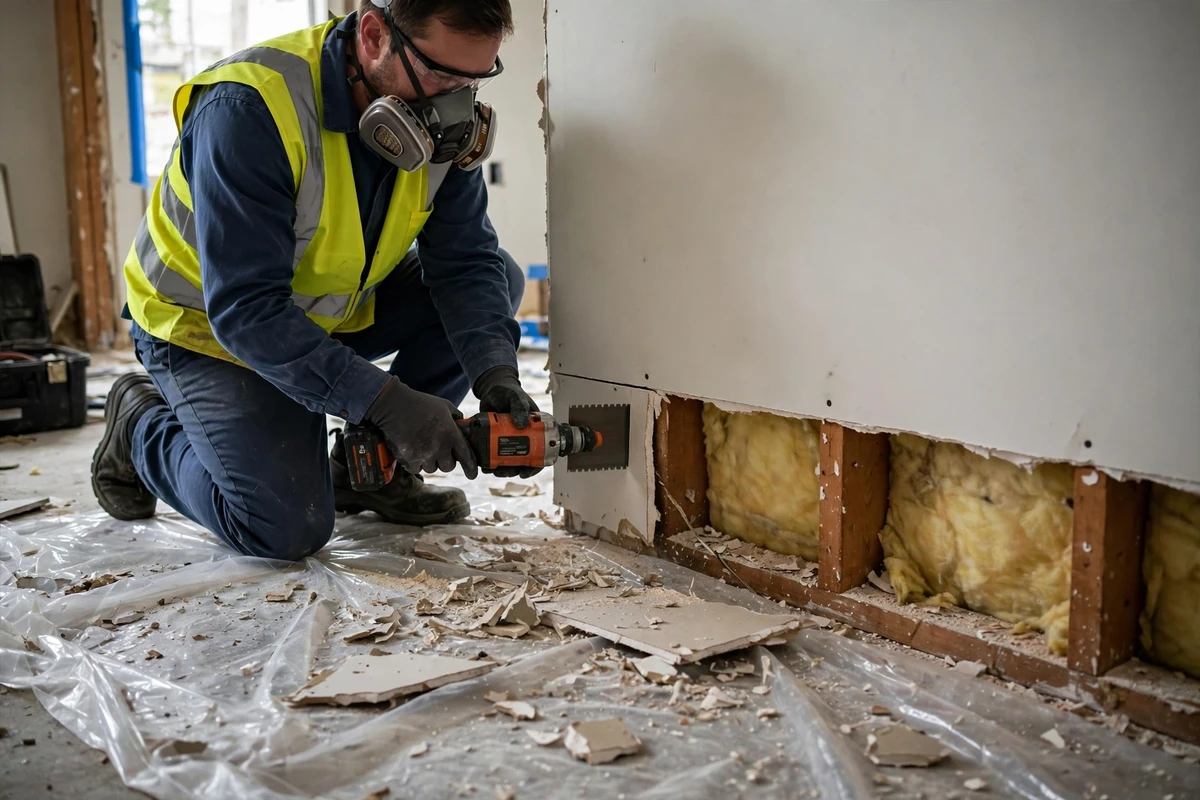
Cleaning up a flooded basement means more than pumping out water. Mud and debris need to be removed, wet porous materials taken out, surfaces cleaned and disinfected, and the space dried with professional equipment. Drywall is commonly cut a foot or two above the water line so the wall cavity can dry. Furnaces, water heaters and electrical equipment that sat in water should be checked by qualified technicians before they're used again.
For College Point homes, this is often one of the first things a pro will look at.
- Standing water in the basement
- A failed sump pump
- Water through window wells or basement doors
Emergency Water Extraction in College Point
Getting the water out is the step that determines how much can be saved. Pumps handle standing water, and powerful extraction wands pull water out of carpet and padding far better than household equipment. Crews also check for water hiding under flooring, in wall cavities and below cabinets. The faster this happens, the less water soaks into drywall, framing and subfloors, which keeps drying time and repair costs down.
In College Point, this ranks among the most frequent reasons homeowners call.
- A finished basement that has flooded
- Water from an appliance, pipe or water heater failure
- Water that has spread under walls into other rooms
Structural Drying and Dehumidification in College Point
Removing visible water is only the start. Drywall, framing, subfloors and concrete absorb water and can stay wet for weeks without professional drying. Restoration crews set up air movers to move air across wet surfaces and commercial dehumidifiers to pull moisture out of the air, and they measure moisture in materials each day until readings return to normal. Drying usually takes three to five days, depending on materials and conditions.
- Swollen or cupping wood flooring
- Peeling paint or bubbling wall surfaces
- Damp drywall or baseboards after the water is gone
Frozen Pipe Water Damage Repair in College Point
A burst pipe releases clean water, but if it isn't dried quickly it can still lead to mold and damage to drywall, flooring and ceilings below. Water from upper floors often travels down inside walls and shows up far from the break. After extraction and drying, a plumber should repair the pipe and look at whether insulation, heat tape or rerouting is needed so it doesn't freeze again.
- Water spraying or dripping from a pipe
- The sound of running water when nothing is on
- Bulging or wet drywall near a pipe
Mold Remediation After Water Damage in College Point
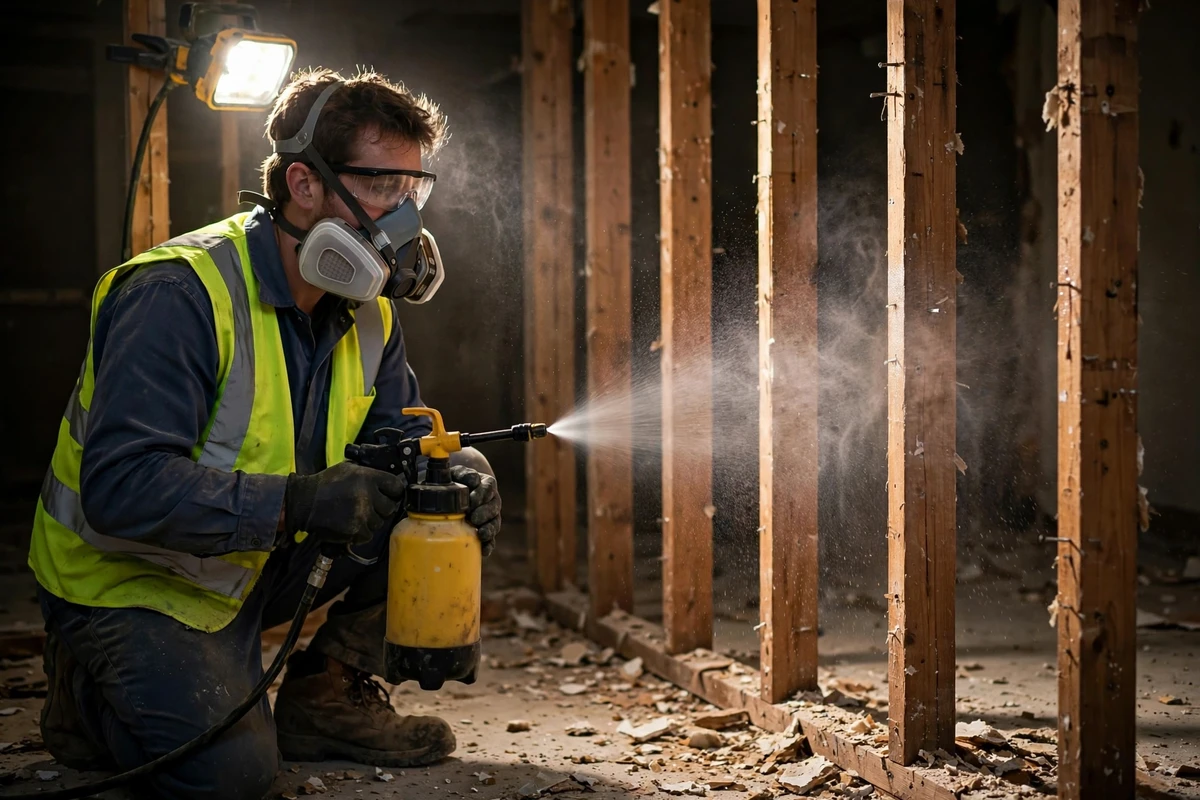
Mold can begin to grow on wet materials within 24 to 48 hours, which is why fast drying matters so much. Once mold is established, remediation involves containing the area with plastic sheeting and negative air pressure so spores don't spread, removing moldy porous materials, cleaning surfaces with HEPA vacuums and antimicrobial treatment, and drying the area thoroughly. The moisture source has to be fixed, or the mold will return.
- Visible mold on walls, ceilings or stored items
- Discolored drywall or baseboards
- Mold after a flood or sewage backup
Other Water Damage Services
Pros serving College Point also handle ceiling and drywall water damage, storm and roof leak water damage, contents cleaning and insurance documentation. These come up less often locally but follow the same approach: find the source, then fix it.
Before You Call: What to Check
- Shut off the water at the main valve if a pipe or fixture is leaking.
- Photograph damage before moving items.
- Turn off power to wet areas only if you can do it without standing in water.
- Move valuables and documents to a dry area.
How Local Pros Typically Handle the Job
- Emergency response. First, the water source is shut off, the area is made safe and standing water is removed.
- Assessment. Technicians trace where water traveled inside walls and floors and classify how contaminated it is.
- Removal and drying. Wet materials that can't be saved come out, and drying equipment runs with daily moisture checks.
- Documentation and repair. You get documentation for your insurer, and rebuilding starts once materials are confirmed dry.
College Point Water Damage FAQ
Can I clean up water damage in my College Point home myself?
Small spills of clean water that are dried within a day can often be handled with fans and a dehumidifier. Larger leaks, water inside walls or under floors, flood water and sewage should be handled by professionals with extraction and drying equipment. Sewage-contaminated water from a floor drain is Category 3 water and calls for removal of porous materials, not just drying.
Is flood water treated differently from a burst pipe in College Point?
Yes. Water from a supply line is clean water and can often be dried in place if handled quickly. Flood water and sewage are contaminated, so porous materials they touched are usually removed. Insurance coverage also differs by source.
What should I do first after water damage in College Point?
Stop the water at the main shut-off if it's a plumbing leak, make the area safe, photograph the damage and call your insurer. Extraction and drying should start as soon as possible, because mold can begin within 24 to 48 hours. Sewage-contaminated water from a floor drain is Category 3 water and calls for removal of porous materials, not just drying.
Dawn Waterproofing connects homeowners with independent local service providers and does not perform the work. Availability, licensing, pricing and scheduling are set by the provider you speak with.