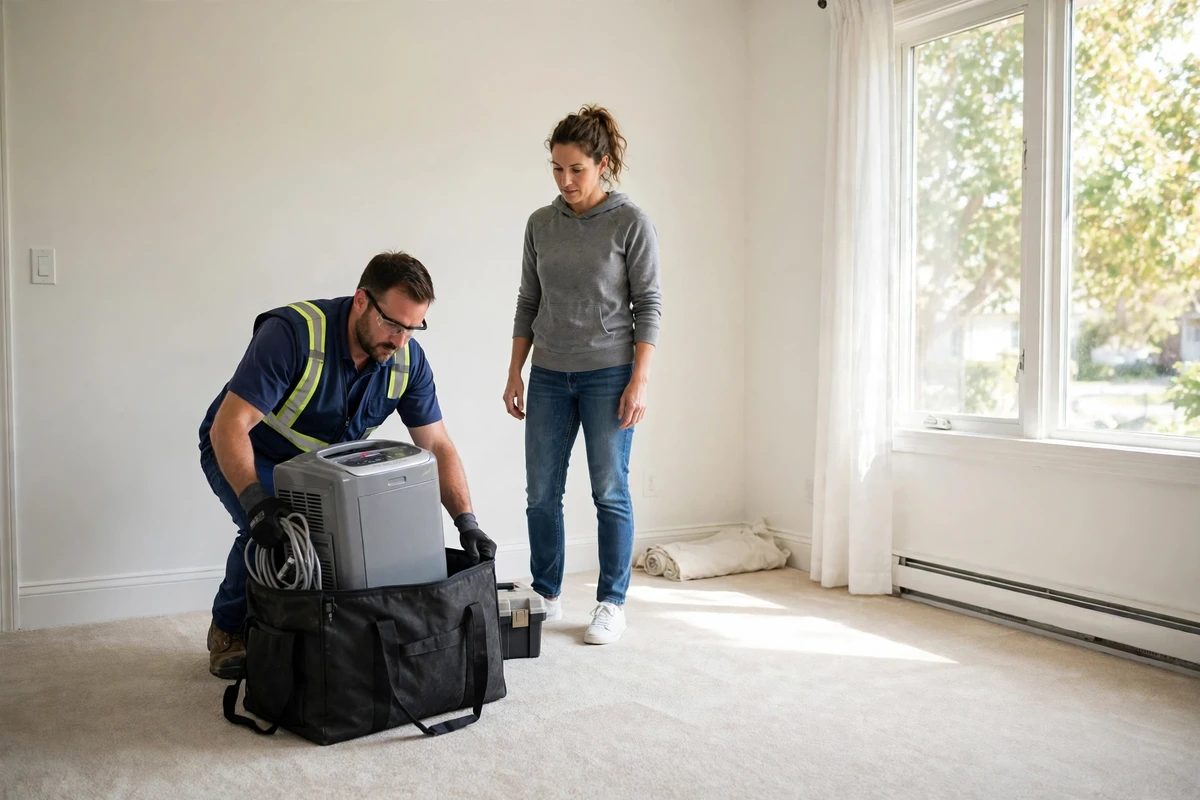
Local Water Damage Risks in Howard Beach
Howard Beach sits on the edge of Jamaica Bay, and during Hurricane Sandy in 2012 bay water flooded much of the neighborhood, filling basements and first floors.
Older cast-iron and clay sewer laterals in pre-war blocks can crack or settle, which makes backups more likely even in moderate storms. The remnants of Hurricane Ida in September 2021 showed how fast this can happen: water poured into below-grade rooms across Queens within minutes, and basement apartments were hit hardest.
Lots are small and largely paved, so roof, driveway and yard runoff has few places to soak in and tends to run toward stairwells, areaways and basement doors. Basement entrances below sidewalk level and areaway drains clogged with leaves are a common entry point when storms dump more than an inch of rain in an hour.
What that means for water damage in practice: Document everything with photos before cleanup starts; flood and sewer-backup coverage are often separate riders on a homeowners policy. In a two-family or rental basement, fast extraction limits damage to tenants' belongings and to the unit above.
This page covers Howard Beach, ZIP code 11414. When a severe thunderstorm warning is issued, move valuables off the basement floor and keep a plug or test cap for the floor drain within reach.
Water Damage Restoration Services in Howard Beach
These are the services that matter most given local conditions in Queens, listed with the warning signs to look for in a Howard Beach home.
Sewage Backup Cleanup in Howard Beach
Sewage contains bacteria, viruses and other pathogens, and it's classified as Category 3 or black water. Cleanup should be done by trained technicians with protective equipment. Contaminated porous materials such as carpet, pad, drywall and insulation are removed and disposed of, and hard surfaces are cleaned and treated with antimicrobial products before drying. Children, pets and anyone with health concerns should stay out of the area.
In Howard Beach, this ranks among the most frequent reasons homeowners call.
- Sewage coming up through floor drains, toilets or tubs
- Multiple fixtures backing up at once
- Strong sewage odor
Basement Flood Cleanup in Howard Beach
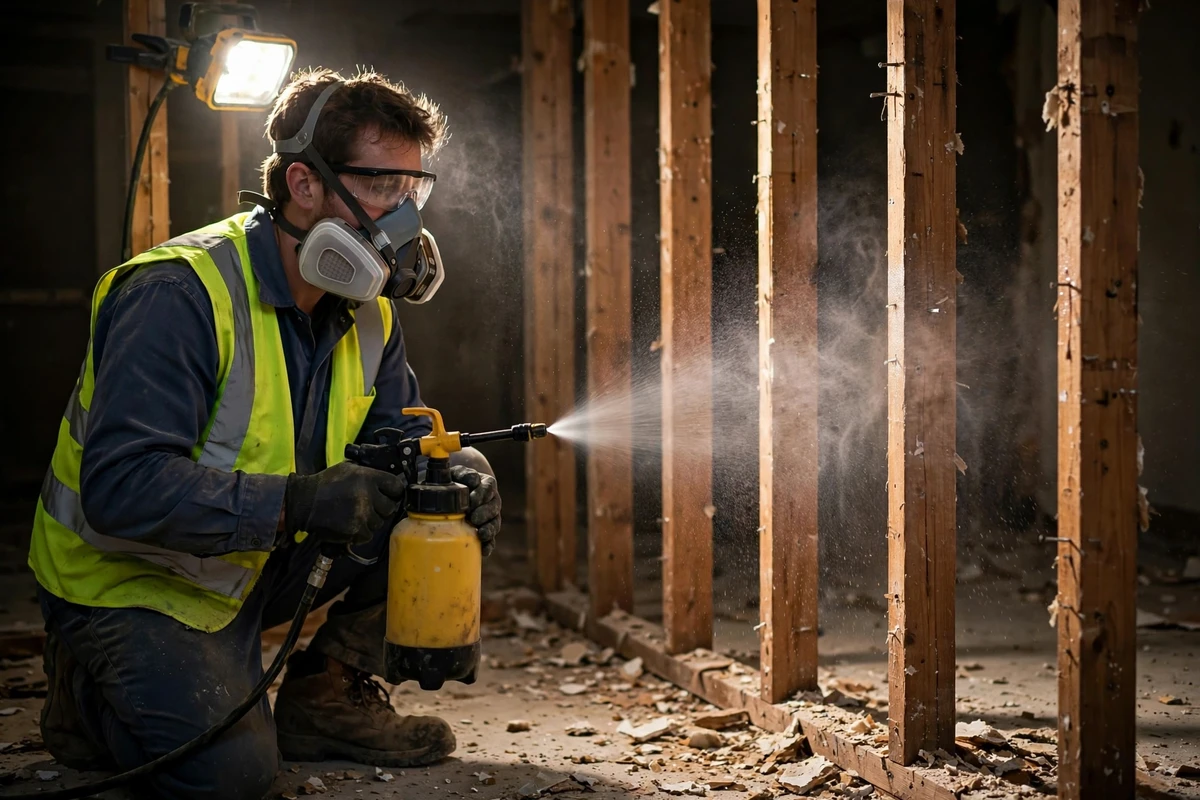
If floodwater came from outside or from a sewer, it is considered contaminated, and porous materials it touched, like carpet, pad, insulation and the lower part of drywall, are usually removed. Technicians often make a flood cut, removing drywall a foot or two above the water line so the wall cavity can dry and be disinfected. Flood insurance and homeowners policies treat these sources differently, so note where the water came from.
For Howard Beach homes, this is often one of the first things a pro will look at.
- Soaked carpet, drywall or stored items
- Mud or debris left after the water recedes
- Standing water in the basement
Standing Water Removal in Howard Beach
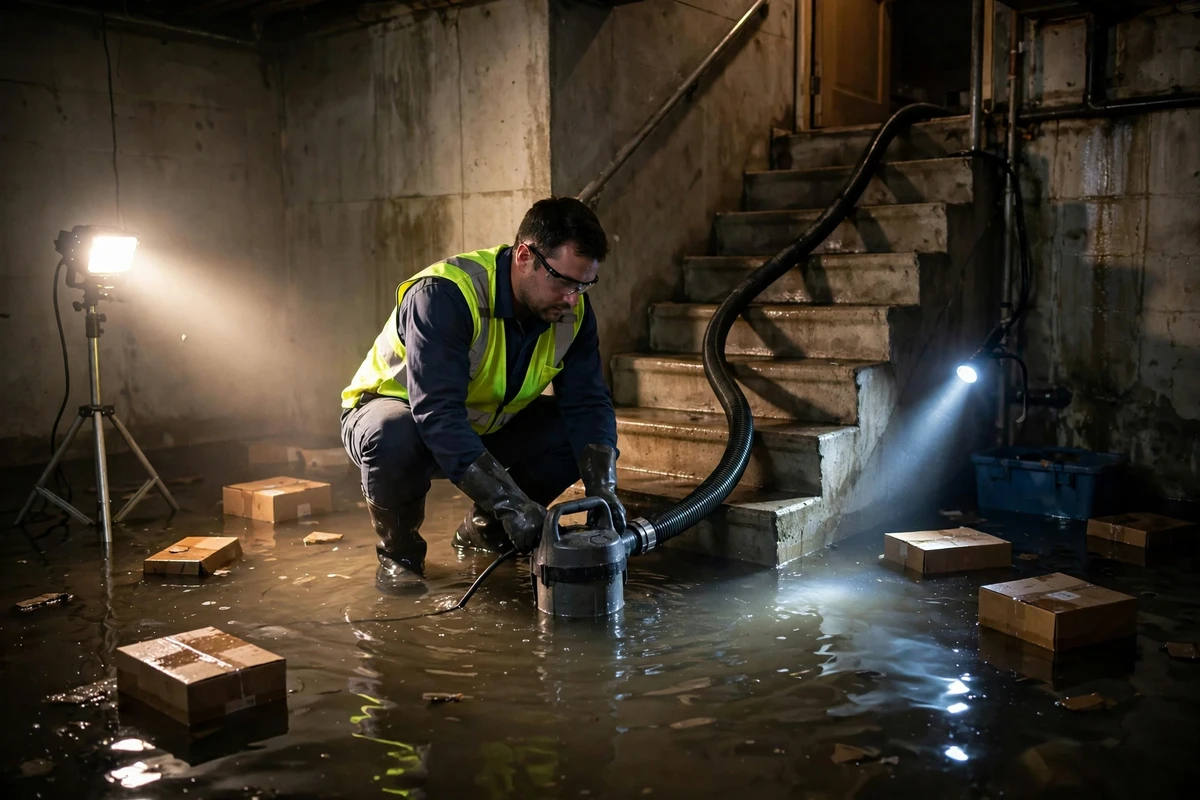
Before anyone walks into standing water, the power to that area should be shut off at the panel if you can reach it safely. Once the water is out, technicians remove wet carpet pad, which rarely dries properly in place, and check for moisture that has wicked into walls and under flooring. Thorough extraction shortens drying time and reduces the risk of mold.
For Howard Beach homes, this is often one of the first things a pro will look at.
- A finished basement that has flooded
- Water from an appliance, pipe or water heater failure
- Standing water on floors
Water Damage Drying in Howard Beach
Moisture meters and thermal cameras show where water has traveled, which is often farther than the stain you can see. Drying should be documented with daily readings so you and your insurer can see the progress. Materials that can't be dried, such as soaked insulation and swollen particleboard, are removed rather than left to grow mold.
- Swollen or cupping wood flooring
- High humidity in the affected area
- Damp drywall or baseboards after the water is gone
Burst Pipe Water Damage Cleanup in Howard Beach
When water freezes in a pipe it expands, and the pressure often splits the pipe somewhere other than where the ice formed. The leak usually starts when the pipe thaws, which is why burst pipes are often discovered after a cold snap breaks. The first step is to shut off the main water valve; everyone in the house should know where it is. Pipes on exterior walls, in crawl spaces, garages and attics, and in cabinets on outside walls are the most vulnerable.
- Bulging or wet drywall near a pipe
- The sound of running water when nothing is on
- Water spraying or dripping from a pipe
Mold Prevention After a Leak in Howard Beach
Small areas of surface mold on hard surfaces can sometimes be cleaned by homeowners, but larger areas, mold inside walls, and mold after sewage or flood water should be handled by professionals. Testing is not always necessary when mold is visible; what matters is removing it and fixing the moisture problem. New York State requires licensed mold assessors and remediators for projects over 10 square feet.
- Mold after a flood or sewage backup
- Visible mold on walls, ceilings or stored items
- Discolored drywall or baseboards
Other Water Damage Services
Pros serving Howard Beach also handle ceiling and drywall water damage, storm and roof leak water damage, contents cleaning and insurance documentation. These come up less often locally but follow the same approach: find the source, then fix it.
Before You Call: What to Check
- Move valuables and documents to a dry area.
- Turn off power to wet areas only if you can do it without standing in water.
- Shut off the water at the main valve if a pipe or fixture is leaking.
- Call your insurance company to start a claim.
How Local Pros Typically Handle the Job
- Emergency response. The source is stopped, the area is made safe and standing water is extracted.
- Assessment. Technicians trace where water traveled inside walls and floors and classify how contaminated it is.
- Removal and drying. Wet materials that can't be saved come out, and drying equipment runs with daily moisture checks.
- Documentation and repair. You get documentation for your insurer, and rebuilding starts once materials are confirmed dry.
Howard Beach Water Damage FAQ
How long does it take to dry a Howard Beach home after water damage?
Structural drying commonly takes three to five days, depending on how much water there was, the materials affected and the weather. Daily moisture readings show when materials are dry.
What should I do first after water damage in Howard Beach?
Stop the water at the main shut-off if it's a plumbing leak, make the area safe, photograph the damage and call your insurer. Extraction and drying should start as soon as possible, because mold can begin within 24 to 48 hours. In a two-family or rental basement, fast extraction limits damage to tenants' belongings and to the unit above.
How do I know if water got inside my walls in Howard Beach?
Look for stains, bubbling paint, soft drywall and swollen baseboards, and notice musty smells. Moisture meters and thermal cameras show where water spread behind surfaces.
Dawn Waterproofing connects homeowners with independent local service providers and does not perform the work. Availability, licensing, pricing and scheduling are set by the provider you speak with.