Common Causes of Water Damage in Greenport
Greenport is a historic maritime village on Peconic Bay, with older homes close to the harbor.
The North Fork is farm and vineyard country with older hamlets, and many houses are 19th- and early-20th-century farmhouses on stone or brick foundations. Soils are sandy over much of the fork, but low areas near the bays and creeks have a high water table.
Bayfront and harbor streets can flood during coastal storms, especially around harbors and creeks that open to Peconic Bay or the Sound. Homes here usually rely on wells and septic systems rather than public sewers, so a backed-up septic system can be a water source in the basement.
What that means for water damage in practice: Septic backups are contaminated water and need professional cleanup. Older plaster walls and wide-plank floors need careful drying to avoid cracking and cupping.
This page covers Greenport, ZIP code 11944. Before leaving a seasonal home for the winter, drain the plumbing and shut off the water.
Water Damage Cleanup Services for Greenport Homes
These are the services that matter most given local conditions on the North Fork, listed with the warning signs to look for in a Greenport home.
Burst Pipe Water Damage Cleanup in Greenport
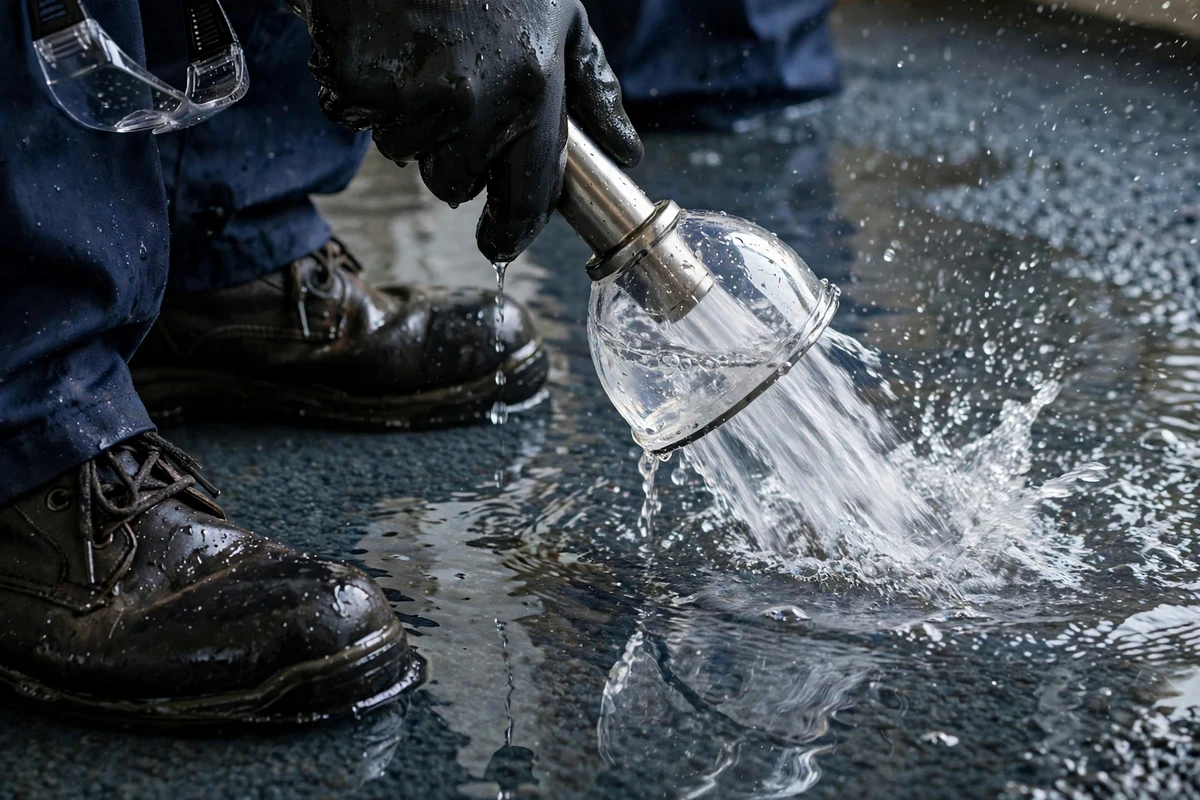
When water freezes in a pipe it expands, and the pressure often splits the pipe somewhere other than where the ice formed. The leak usually starts when the pipe thaws, which is why burst pipes are often discovered after a cold snap breaks. The first step is to shut off the main water valve; everyone in the house should know where it is. Pipes on exterior walls, in crawl spaces, garages and attics, and in cabinets on outside walls are the most vulnerable.
For Greenport homes, this is often one of the first things a pro will look at.
- Water spraying or dripping from a pipe
- Bulging or wet drywall near a pipe
- Water stains on ceilings below plumbing
Standing Water Removal in Greenport
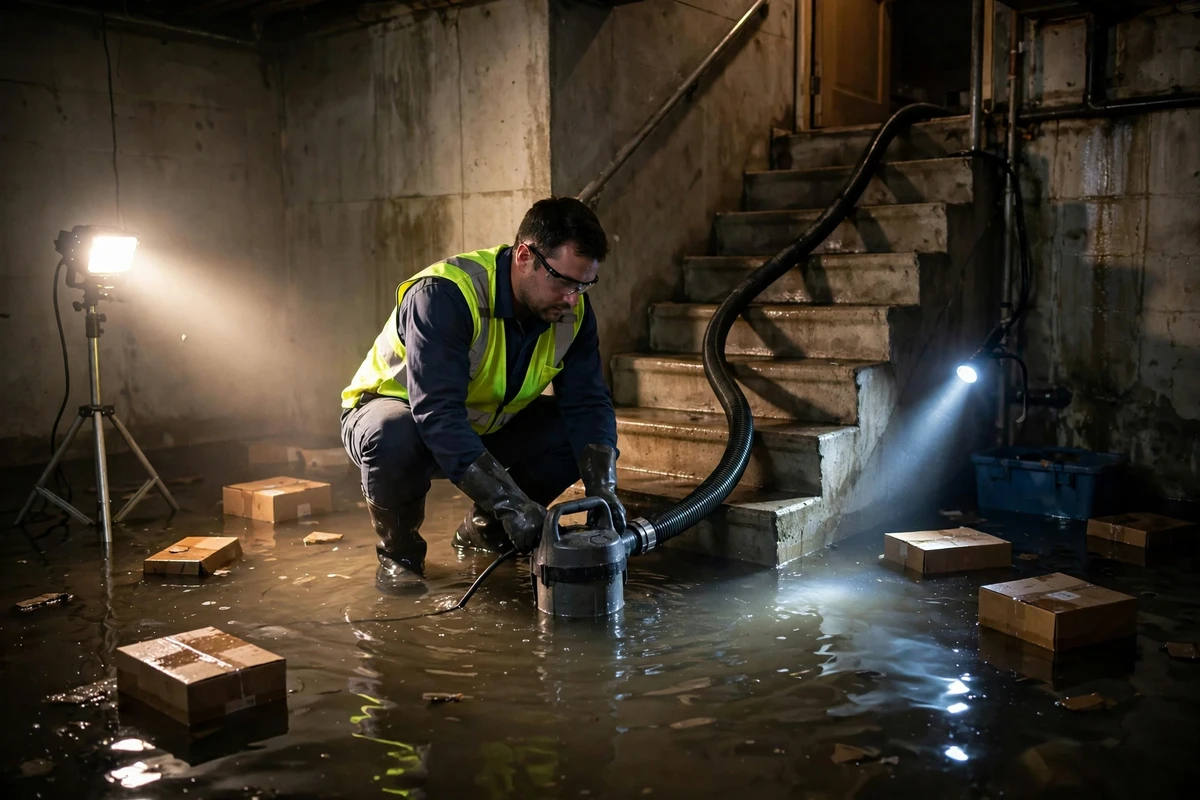
The first goal after a flood or leak is to stop the source and get standing water out as fast as possible. Restoration crews use submersible pumps for deep water and truck-mounted or portable extractors for carpet and pad, which remove far more water than wet vacs or fans. Every hour water sits in a home, it wicks further up drywall and into subfloors, so extraction is usually done the same day the damage is found.
Given local conditions on the North Fork, this is one of the more common requests in Greenport.
- Standing water on floors
- Water that has spread under walls into other rooms
- Storm or groundwater flooding
Structural Drying and Dehumidification in Greenport
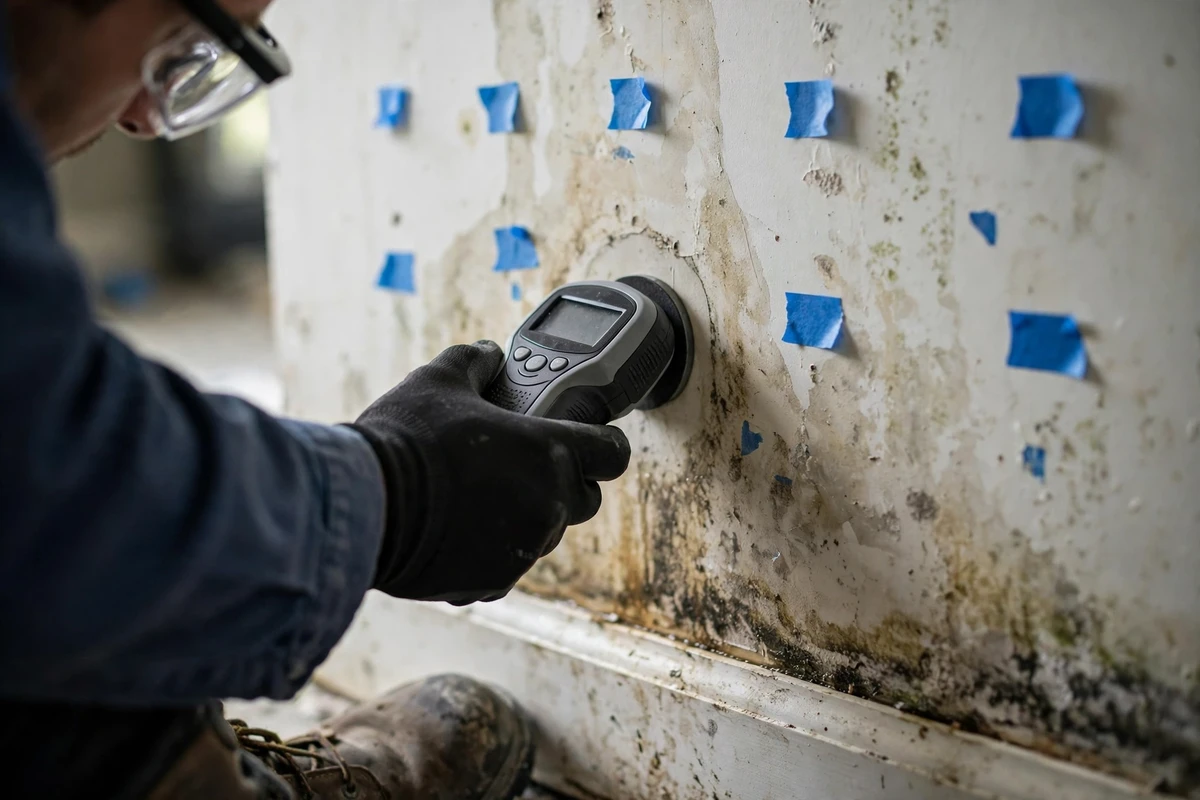
Moisture meters and thermal cameras show where water has traveled, which is often farther than the stain you can see. Drying should be documented with daily readings so you and your insurer can see the progress. Materials that can't be dried, such as soaked insulation and swollen particleboard, are removed rather than left to grow mold.
In Greenport, this ranks among the most frequent reasons homeowners call.
- Musty smell a few days after a leak
- Peeling paint or bubbling wall surfaces
- Swollen or cupping wood flooring
Storm Water Damage Cleanup in Greenport
Heavy rain, wind-driven rain, coastal storms and snowmelt can force water through roofs, windows, doors and foundation walls. After a storm, the first step is to protect the house from more water: tarping a damaged roof, boarding broken windows and stopping water from entering. Then extraction, removal of wet materials and drying can begin. Document the damage with photos before cleanup starts.
- Wet walls below windows
- Ceiling stains after storms or snowmelt
- Damaged shingles or flashing
Flooded Basement Cleanup in Greenport
If floodwater came from outside or from a sewer, it is considered contaminated, and porous materials it touched, like carpet, pad, insulation and the lower part of drywall, are usually removed. Technicians often make a flood cut, removing drywall a foot or two above the water line so the wall cavity can dry and be disinfected. Flood insurance and homeowners policies treat these sources differently, so note where the water came from.
- A failed sump pump
- Water entering through walls or the floor
- Water through window wells or basement doors
Mold Prevention After a Leak in Greenport
Mold needs moisture, and water damage supplies it. If materials stay wet for more than a day or two, mold can begin growing on drywall, wood and carpet backing. Professional remediation contains the work area to keep spores from spreading, removes affected porous materials, cleans surfaces with HEPA vacuums and antimicrobial products, and dries the space. Under New York State law, projects larger than 10 square feet must be handled by licensed mold professionals.
- Musty smell that doesn't go away
- Discolored drywall or baseboards
- Allergy symptoms that worsen at home
Other Water Damage Services
Pros serving Greenport also handle sewage backup cleanup, ceiling and drywall water damage, contents cleaning and insurance documentation. These come up less often locally but follow the same approach: find the source, then fix it.
Before You Call: What to Check
- Call your insurance company to start a claim.
- Shut off the water at the main valve if a pipe or fixture is leaking.
- Photograph damage before moving items.
- Turn off power to wet areas only if you can do it without standing in water.
How Local Pros Typically Handle the Job
- Emergency response. First, the water source is shut off, the area is made safe and standing water is removed.
- Assessment. Moisture meters and thermal cameras map how far the water spread, and the water category is determined.
- Removal and drying. Wet materials that can't be saved come out, and drying equipment runs with daily moisture checks.
- Documentation and repair. Photos, readings and item lists are compiled for insurance, and repairs can begin once dry.
Greenport Water Damage FAQ
Can I clean up water damage in my Greenport home myself?
Small spills of clean water that are dried within a day can often be handled with fans and a dehumidifier. Larger leaks, water inside walls or under floors, flood water and sewage should be handled by professionals with extraction and drying equipment. Older plaster walls and wide-plank floors need careful drying to avoid cracking and cupping.
How do I know if water got inside my walls in Greenport?
Look for stains, bubbling paint, soft drywall and swollen baseboards, and notice musty smells. Moisture meters and thermal cameras show where water spread behind surfaces.
Is flood water treated differently from a burst pipe in Greenport?
Yes. Water from a supply line is clean water and can often be dried in place if handled quickly. Flood water and sewage are contaminated, so porous materials they touched are usually removed. Insurance coverage also differs by source.
Dawn Waterproofing connects homeowners with independent local service providers and does not perform the work. Availability, licensing, pricing and scheduling are set by the provider you speak with.