Common Causes of Water Damage in Cutchogue
The North Fork is farm and vineyard country with older hamlets, and many houses are 19th- and early-20th-century farmhouses on stone or brick foundations. Bayfront and harbor streets can flood during coastal storms, especially around harbors and creeks that open to Peconic Bay or the Sound.
Soils are sandy over much of the fork, but low areas near the bays and creeks have a high water table. Homes here usually rely on wells and septic systems rather than public sewers, so a backed-up septic system can be a water source in the basement.
What that means for water damage in practice: Burst pipes in unheated or closed-up homes are a common winter loss. Older plaster walls and wide-plank floors need careful drying to avoid cracking and cupping.
This page covers Cutchogue, ZIP code 11935. Before leaving a seasonal home for the winter, drain the plumbing and shut off the water.
Water Damage Restoration Services in Cutchogue
The sections below are ordered by how often each issue comes up in homes like those around Cutchogue. Each one explains what the work involves and the signs that suggest you may need it.
Burst Pipe Water Damage Cleanup in Cutchogue
A burst pipe releases clean water, but if it isn't dried quickly it can still lead to mold and damage to drywall, flooring and ceilings below. Water from upper floors often travels down inside walls and shows up far from the break. After extraction and drying, a plumber should repair the pipe and look at whether insulation, heat tape or rerouting is needed so it doesn't freeze again.
Given local conditions on the North Fork, this is one of the more common requests in Cutchogue.
- Water spraying or dripping from a pipe
- Water stains on ceilings below plumbing
- A sudden drop in water pressure in winter
Standing Water Removal in Cutchogue
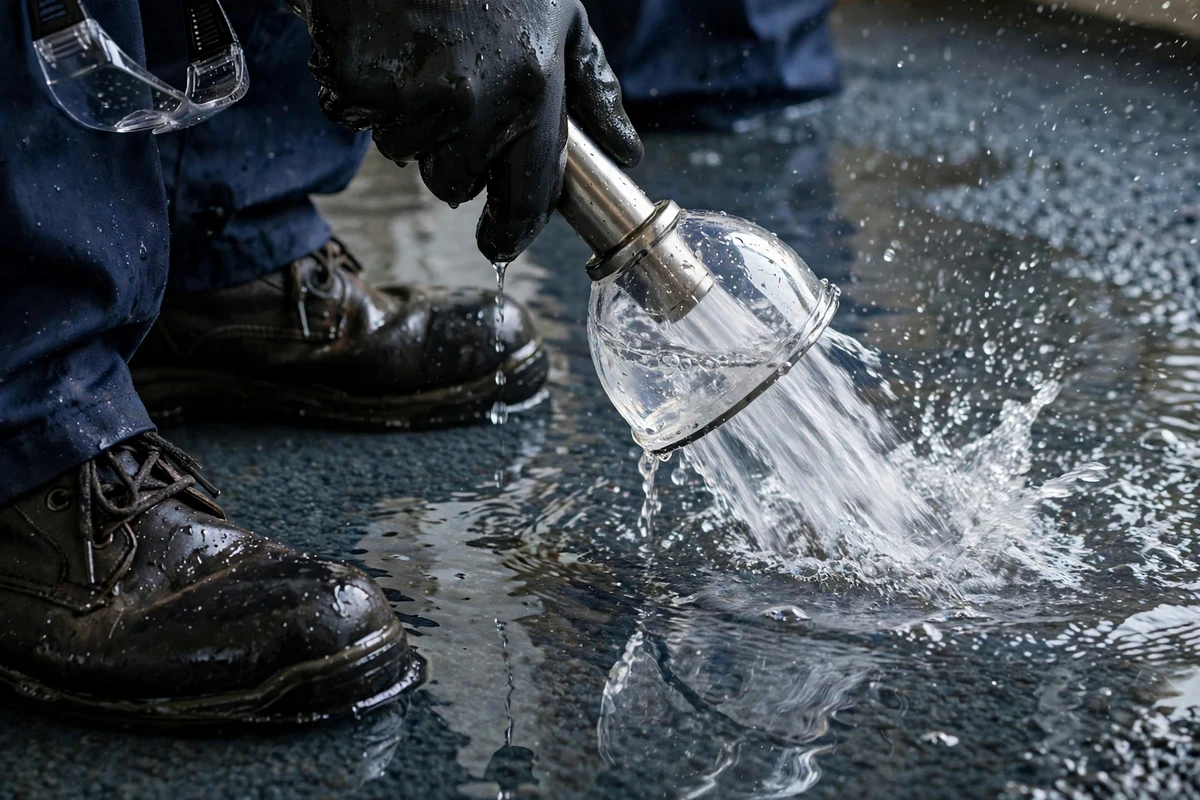
Before anyone walks into standing water, the power to that area should be shut off at the panel if you can reach it safely. Once the water is out, technicians remove wet carpet pad, which rarely dries properly in place, and check for moisture that has wicked into walls and under flooring. Thorough extraction shortens drying time and reduces the risk of mold.
For Cutchogue homes, this is often one of the first things a pro will look at.
- Standing water on floors
- Soaked carpet and pad
- Water from an appliance, pipe or water heater failure
Structural Drying and Dehumidification in Cutchogue
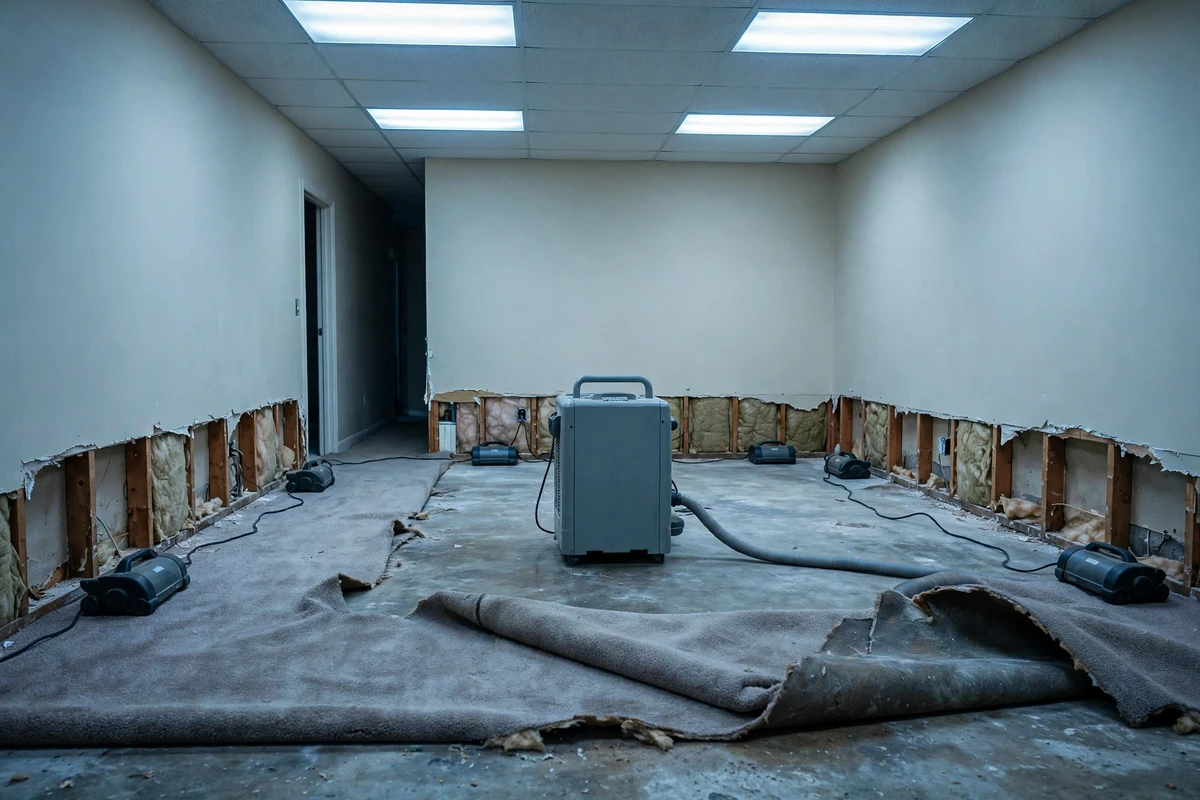
Moisture meters and thermal cameras show where water has traveled, which is often farther than the stain you can see. Drying should be documented with daily readings so you and your insurer can see the progress. Materials that can't be dried, such as soaked insulation and swollen particleboard, are removed rather than left to grow mold.
For Cutchogue homes, this is often one of the first things a pro will look at.
- Musty smell a few days after a leak
- Swollen or cupping wood flooring
- Damp drywall or baseboards after the water is gone
Roof Leak and Storm Damage Cleanup in Cutchogue
Storm damage often comes from more than one direction at once: wind-driven rain through windows and siding, roof leaks where shingles or flashing failed, and surface water pushing into lower levels. Protecting the home comes first, with tarps on the roof and boards over broken windows, then extraction and drying. In winter, ice dams can force water under shingles even without a storm, showing up as ceiling stains along exterior walls.
- Water entering through the roof, windows or doors
- Wet walls below windows
- Water in the attic
Basement Flood Cleanup in Cutchogue
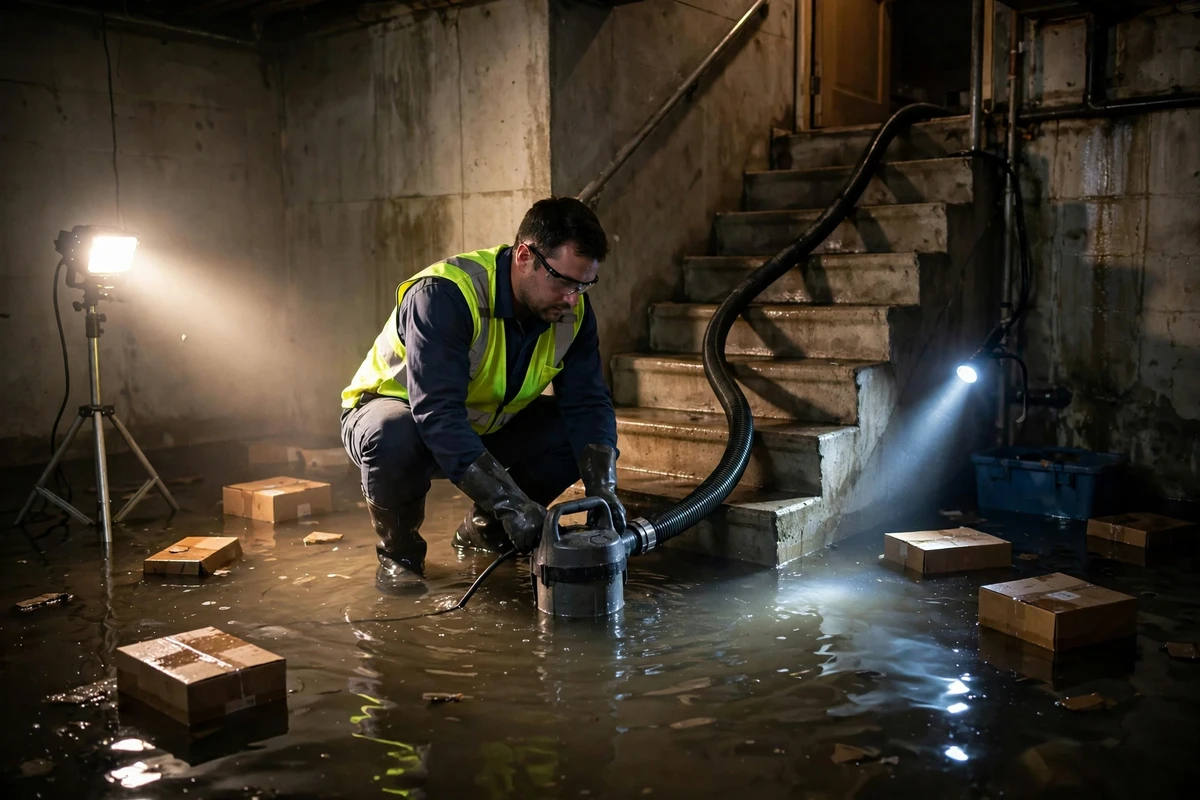
Basement flooding comes from several sources: groundwater rising through the floor and walls, surface water entering through window wells and doors, a failed sump pump, or sewer water backing up through drains. Cleanup starts with pumping out the water, then removing wet carpet, pad and damaged drywall, cleaning and disinfecting surfaces, and drying the space with professional equipment.
- Water entering through walls or the floor
- Standing water in the basement
- A failed sump pump
Mold Prevention After a Leak in Cutchogue
Small areas of surface mold on hard surfaces can sometimes be cleaned by homeowners, but larger areas, mold inside walls, and mold after sewage or flood water should be handled by professionals. Testing is not always necessary when mold is visible; what matters is removing it and fixing the moisture problem. New York State requires licensed mold assessors and remediators for projects over 10 square feet.
- Visible mold on walls, ceilings or stored items
- Allergy symptoms that worsen at home
- Musty smell that doesn't go away
Other Water Damage Services
Pros serving Cutchogue also handle sewage backup cleanup, ceiling and drywall water damage, contents cleaning and insurance documentation. These come up less often locally but follow the same approach: find the source, then fix it.
Before You Call: What to Check
- Shut off the water at the main valve if a pipe or fixture is leaking.
- Call your insurance company to start a claim.
- Move valuables and documents to a dry area.
- Photograph damage before moving items.
How Local Pros Typically Handle the Job
- Emergency response. The source is stopped, the area is made safe and standing water is extracted.
- Assessment. Moisture meters and thermal cameras map how far the water spread, and the water category is determined.
- Removal and drying. Unsalvageable materials are removed, and air movers and dehumidifiers dry the structure with daily readings.
- Documentation and repair. Photos, readings and item lists are compiled for insurance, and repairs can begin once dry.
Cutchogue Water Damage FAQ
What should I do first after water damage in Cutchogue?
Stop the water at the main shut-off if it's a plumbing leak, make the area safe, photograph the damage and call your insurer. Extraction and drying should start as soon as possible, because mold can begin within 24 to 48 hours. Older plaster walls and wide-plank floors need careful drying to avoid cracking and cupping.
Is flood water treated differently from a burst pipe in Cutchogue?
Yes. Water from a supply line is clean water and can often be dried in place if handled quickly. Flood water and sewage are contaminated, so porous materials they touched are usually removed. Insurance coverage also differs by source.
Does homeowners insurance cover water damage in Cutchogue?
It depends on the source. Sudden leaks from pipes and appliances are commonly covered; surface flooding needs flood insurance; sewer backups often need a separate rider; slow, long-term leaks are frequently excluded. Check your policy and call your insurer early.
Dawn Waterproofing connects homeowners with independent local service providers and does not perform the work. Availability, licensing, pricing and scheduling are set by the provider you speak with.