Common Causes of Water Damage in Great River
Salt air and occasional saltwater flooding speed up corrosion of fasteners, ductwork and equipment in crawl spaces. Housing near the water ranges from small summer bungalows converted to year-round homes to raised houses built to current flood codes.
Suffolk's South Shore faces the Great South Bay and Moriches Bay, with canals, creeks and marsh running behind many neighborhoods. The water table is high near the bay and rises with storm tides, so basements and crawl spaces in canal neighborhoods can flood from below.
What that means for water damage in practice: Mold grows quickly in humid bayfront air if drying is delayed. Keep photos and receipts; flood claims are handled separately from homeowners claims.
This page covers Great River, ZIP code 11739. Watch for water at the base of walls after full-moon high tides; it's an early sign the water table is reaching your foundation.
Water Damage Cleanup Services for Great River Homes
Start with the first few sections: they cover the problems most often reported around Great River. Each includes what the work involves and the signs to watch for.
Flooded Basement Cleanup in Great River
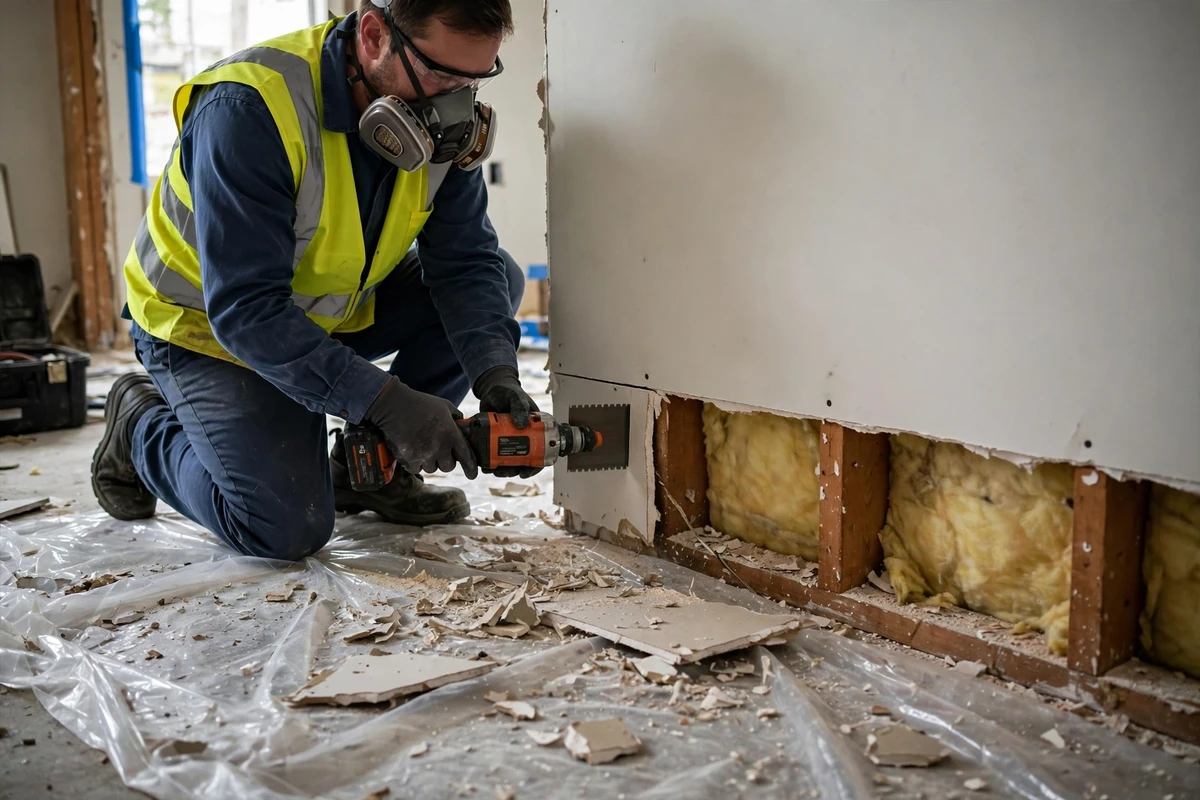
If floodwater came from outside or from a sewer, it is considered contaminated, and porous materials it touched, like carpet, pad, insulation and the lower part of drywall, are usually removed. Technicians often make a flood cut, removing drywall a foot or two above the water line so the wall cavity can dry and be disinfected. Flood insurance and homeowners policies treat these sources differently, so note where the water came from.
In Great River, this ranks among the most frequent reasons homeowners call.
- Water through window wells or basement doors
- Water entering through walls or the floor
- A failed sump pump
Roof Leak and Storm Damage Cleanup in Great River
Ice dams form when heat escaping through the roof melts snow, which refreezes at the cold eaves and backs water up under the shingles. The water can show up as ceiling stains or wet walls far from the eaves. Removing snow from the roof edge, improving attic insulation and ventilation, and sealing air leaks reduce ice dams in future winters.
For Great River homes, this is often one of the first things a pro will look at.
- Damaged shingles or flashing
- Water in the attic
- Ceiling stains after storms or snowmelt
Emergency Water Extraction in Great River
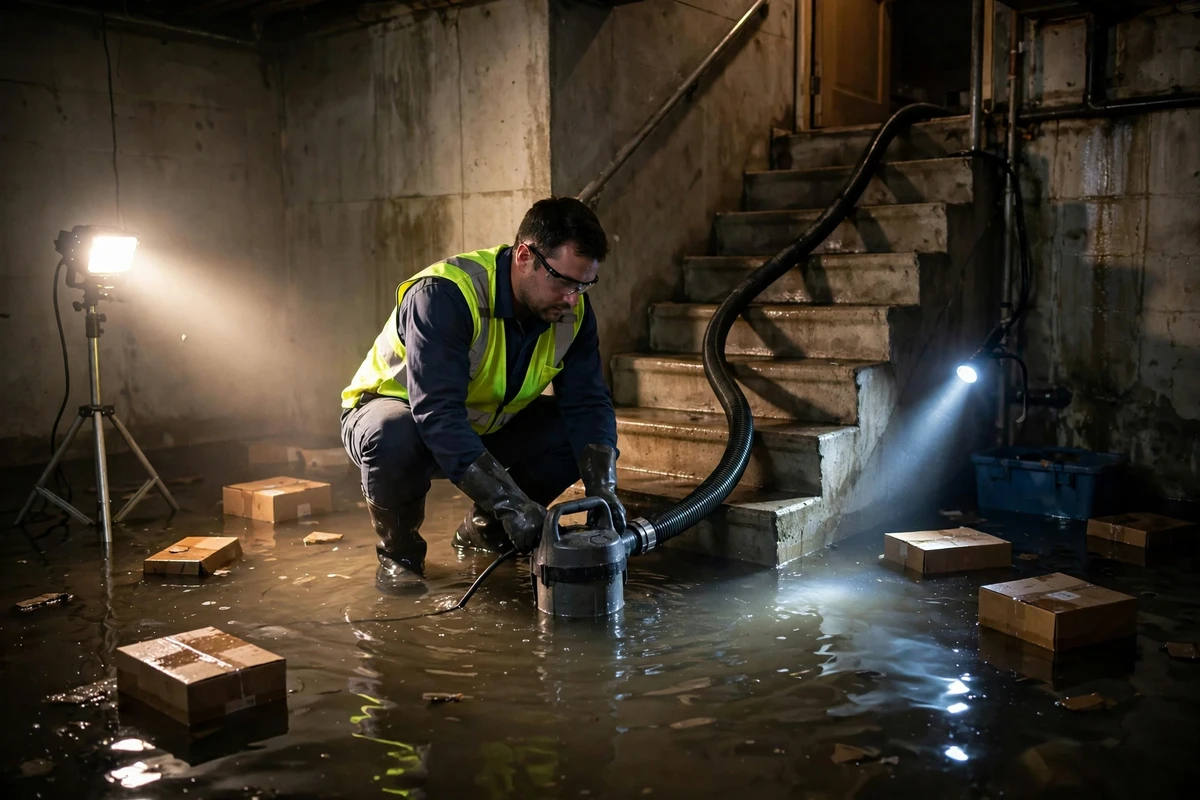
The first goal after a flood or leak is to stop the source and get standing water out as fast as possible. Restoration crews use submersible pumps for deep water and truck-mounted or portable extractors for carpet and pad, which remove far more water than wet vacs or fans. Every hour water sits in a home, it wicks further up drywall and into subfloors, so extraction is usually done the same day the damage is found.
In Great River, this ranks among the most frequent reasons homeowners call.
- Standing water on floors
- Water from an appliance, pipe or water heater failure
- Soaked carpet and pad
Water Damage Drying in Great River
Moisture meters and thermal cameras show where water has traveled, which is often farther than the stain you can see. Drying should be documented with daily readings so you and your insurer can see the progress. Materials that can't be dried, such as soaked insulation and swollen particleboard, are removed rather than left to grow mold.
- Wet insulation behind walls
- Swollen or cupping wood flooring
- High humidity in the affected area
Mold Remediation After Water Damage in Great River
Mold can begin to grow on wet materials within 24 to 48 hours, which is why fast drying matters so much. Once mold is established, remediation involves containing the area with plastic sheeting and negative air pressure so spores don't spread, removing moldy porous materials, cleaning surfaces with HEPA vacuums and antimicrobial treatment, and drying the area thoroughly. The moisture source has to be fixed, or the mold will return.
- Visible mold on walls, ceilings or stored items
- Discolored drywall or baseboards
- Mold after a flood or sewage backup
Contents Cleaning After Water Damage in Great River
Restoration crews can move furniture and belongings out of harm's way, pack out items to be cleaned or dried, and document what can be saved and what can't. Photos, moisture readings, drying logs and a list of damaged items help when filing an insurance claim. Keep receipts for emergency expenses such as hotel stays and supplies.
- Uncertainty about what your policy covers
- Documents and photos that got wet
- Damaged furniture, rugs or belongings
Other Water Damage Services
Pros serving Great River also handle burst and frozen pipe water damage, sewage backup cleanup, ceiling and drywall water damage. These come up less often locally but follow the same approach: find the source, then fix it.
Before You Call: What to Check
- Call your insurance company to start a claim.
- Turn off power to wet areas only if you can do it without standing in water.
- Shut off the water at the main valve if a pipe or fixture is leaking.
- Move valuables and documents to a dry area.
How Local Pros Typically Handle the Job
- Emergency response. First, the water source is shut off, the area is made safe and standing water is removed.
- Assessment. Moisture meters and thermal cameras map how far the water spread, and the water category is determined.
- Removal and drying. Wet materials that can't be saved come out, and drying equipment runs with daily moisture checks.
- Documentation and repair. You get documentation for your insurer, and rebuilding starts once materials are confirmed dry.
Great River Water Damage FAQ
What should I do first after water damage in Great River?
Stop the water at the main shut-off if it's a plumbing leak, make the area safe, photograph the damage and call your insurer. Extraction and drying should start as soon as possible, because mold can begin within 24 to 48 hours. Mold grows quickly in humid bayfront air if drying is delayed.
Is flood water treated differently from a burst pipe in Great River?
Yes. Water from a supply line is clean water and can often be dried in place if handled quickly. Flood water and sewage are contaminated, so porous materials they touched are usually removed. Insurance coverage also differs by source.
Does homeowners insurance cover water damage in Great River?
It depends on the source. Sudden leaks from pipes and appliances are commonly covered; surface flooding needs flood insurance; sewer backups often need a separate rider; slow, long-term leaks are frequently excluded. Check your policy and call your insurer early.
Dawn Waterproofing connects homeowners with independent local service providers and does not perform the work. Availability, licensing, pricing and scheduling are set by the provider you speak with.