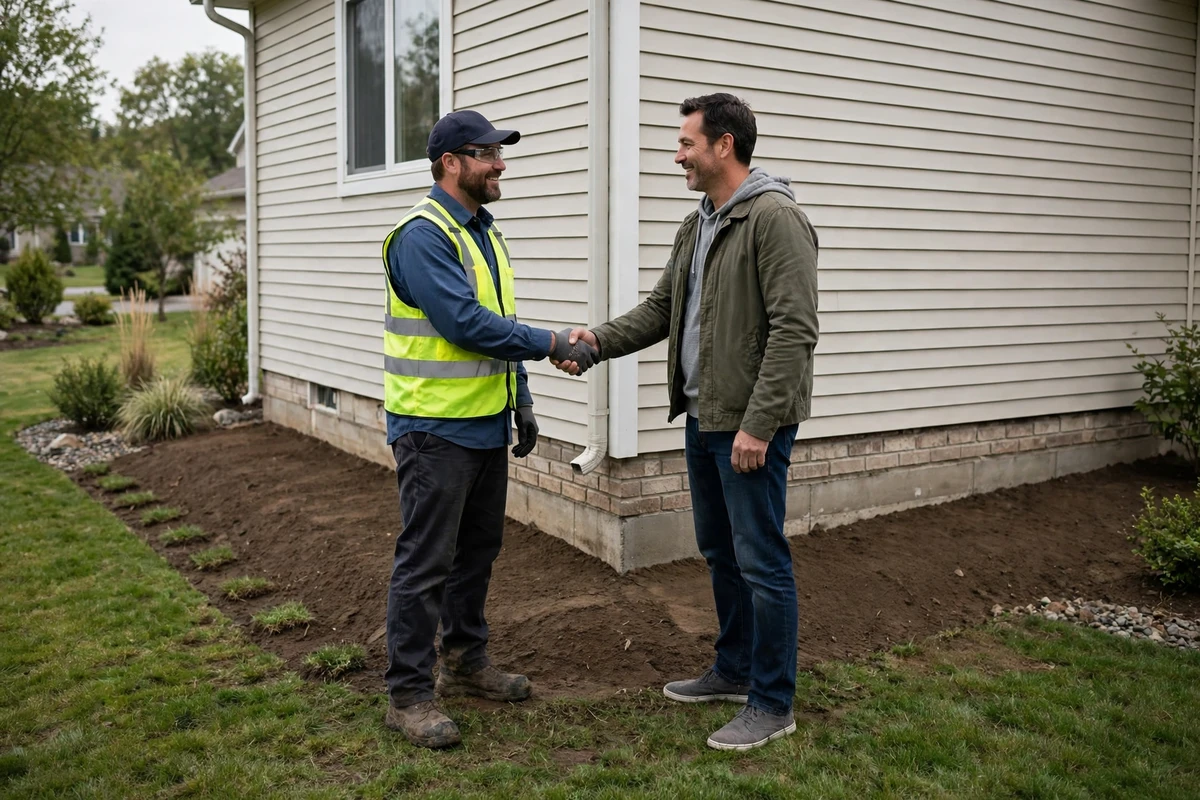
Local Conditions That Affect Foundation Repair in Lake Grove
Lake Grove is near Lake Ronkonkoma and sits on rolling, sandy glacial ground.
Most homes are postwar and later: capes, ranches, high-ranches and colonials from the 1950s through the 1990s, many with basements finished decades after the house was built. Because the ground drains well, basement water here more often traces to roof runoff, gutters, grading or a high seasonal water table than to the soil itself.
Winter freeze-thaw cycles can open small cracks in poured walls and slabs over time. The water table sits closer to the surface near the Connetquot and Carmans river valleys and around Lake Ronkonkoma, and it rises after wet winters.
What that means for foundation repair in practice: Shrinkage cracks in poured walls are common and usually minor; cracks that leak, widen or offset are worth an evaluation. Settlement is most often seen at additions, garages and slabs placed on poorly compacted fill.
This page covers Lake Grove, ZIP code 11755. If you are on a cesspool, keep an eye on slow drains after heavy rain; a saturated system can back up into the house.
Types of Foundation Repairs for Lake Grove Homes
Start with the first few sections: they cover the problems most often reported around Lake Grove. Each includes what the work involves and the signs to watch for.
Foundation Crack Repair in Lake Grove
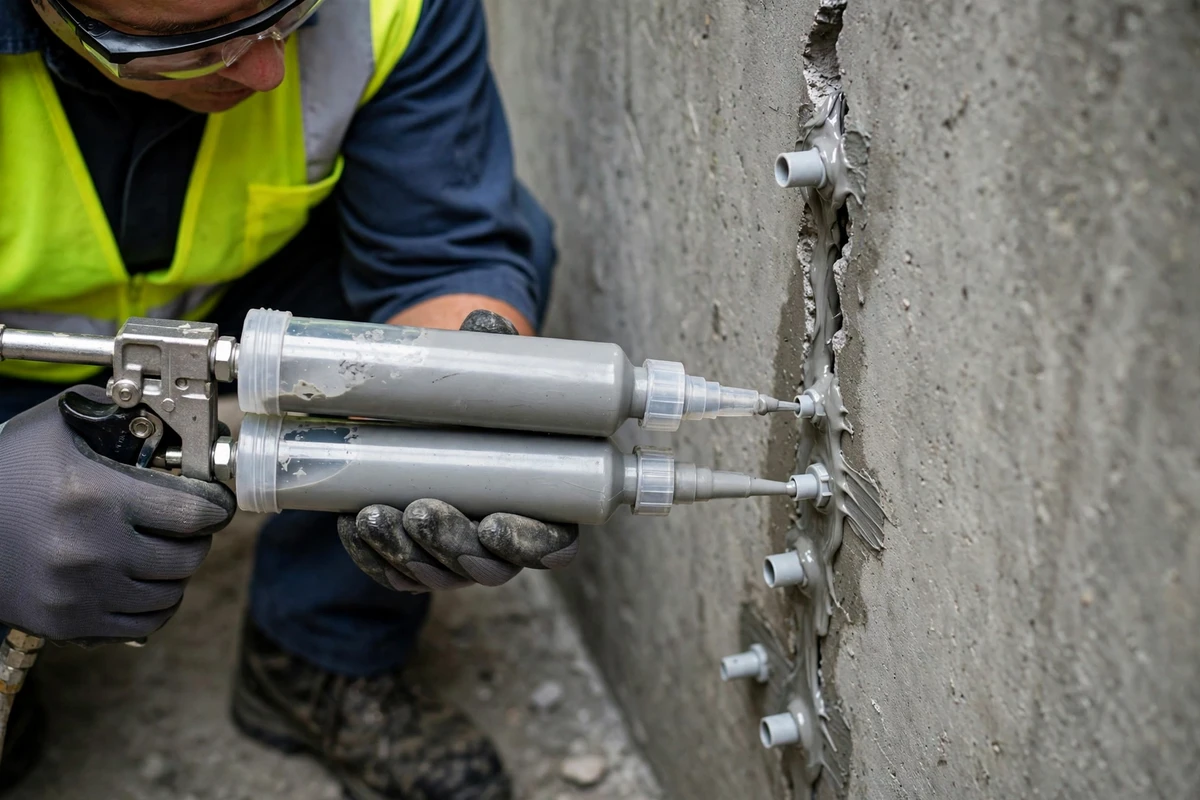
Not all foundation cracks are equal. Thin vertical cracks in poured concrete are usually shrinkage and are mainly a leak risk. Stair-step cracks in block or brick, horizontal cracks, cracks that are wider at one end, and cracks where one side has moved relative to the other indicate movement and need an evaluation. Epoxy injection bonds a structural crack back together; polyurethane injection seals a crack against water while allowing slight movement.
In Lake Grove, this ranks among the most frequent reasons homeowners call.
- Horizontal cracks in a basement wall
- Cracks wider than about 1/4 inch
- One side of a crack offset from the other
Foundation Inspection in Lake Grove
A thorough foundation inspection looks at the whole house, not just the crack that worried you. Expect the inspector to walk the exterior for grading and drainage problems, check the basement or crawl space for wall movement and moisture, measure floors for slope, and note doors, windows and drywall cracks upstairs. Together those observations show whether the house is settling, being pushed by soil, or simply showing normal cosmetic cracking.
In Lake Grove, this ranks among the most frequent reasons homeowners call.
- Gaps between walls and the ceiling or floor
- Doors and windows that stick or won't latch
- Chimney leaning away from the house
Settling Foundation Repair in Lake Grove
Settlement happens when the soil under part of a footing compresses, washes out or shrinks, and that section of the house drops. Common causes include fill that was never properly compacted, soil softened by poor drainage or a leaking pipe, tree roots drawing moisture from clay, and additions built on shallower footings than the original house. The repair usually involves stabilizing the footing on firmer soil or bedrock with piers.
In Lake Grove, this ranks among the most frequent reasons homeowners call.
- A gap where an addition meets the house
- Brick separating from window frames
- Floors that slope toward one corner
Concrete Slab Leveling in Lake Grove
Sunken driveways, walks, patios, garage floors and basement slabs can often be lifted instead of replaced. Polyurethane foam injection pumps expanding foam through small holes drilled in the slab; it's light, cures quickly and adds little weight to soft soil. Mudjacking uses a cement-based slurry and larger holes. Either method can restore slope so water drains away from the house instead of toward it.
- Cracks in a basement or garage slab
- Trip hazards at slab joints
- Water pooling on a patio or garage floor
Front Step and Stoop Repair in Lake Grove
Concrete stoops and steps often sit on shallower footings than the house, and frost heave or settling soil can make them tilt, crack or pull away from the foundation. The gap that opens up lets water run down the foundation wall, which is why a separated stoop often shows up as a leak in the basement below it. Repairs range from sealing the joint and lifting the stoop to supporting it with helical piers or rebuilding it on proper footings.
- Basement leak below the front steps
- Porch columns out of plumb
- Cracks running through the stoop
Leaning Foundation Wall Repair in Lake Grove
A basement wall that bows or leans is being pushed by the soil outside, usually because it is saturated or freezing. The repair depends on how far it has moved: carbon fiber straps for small movement, steel beams anchored to the floor and floor framing for moderate movement, and wall anchors tied to plates in the yard when there is room outside and the wall may need to be pulled back over time. Severe movement can require excavation and rebuilding.
- Wall bowing inward or leaning at the top
- Horizontal crack along the middle of a block wall
- Water entering along the horizontal crack
Other Foundation Repair Services
Pros serving Lake Grove also handle push piers and helical piers, crawl space support and sagging floors. These come up less often locally but follow the same approach: find the source, then fix it.
Before You Call: What to Check
- Find any past inspection reports or repair records.
- Note doors and windows that stick, and where floors slope.
- Check where downspouts discharge near the foundation.
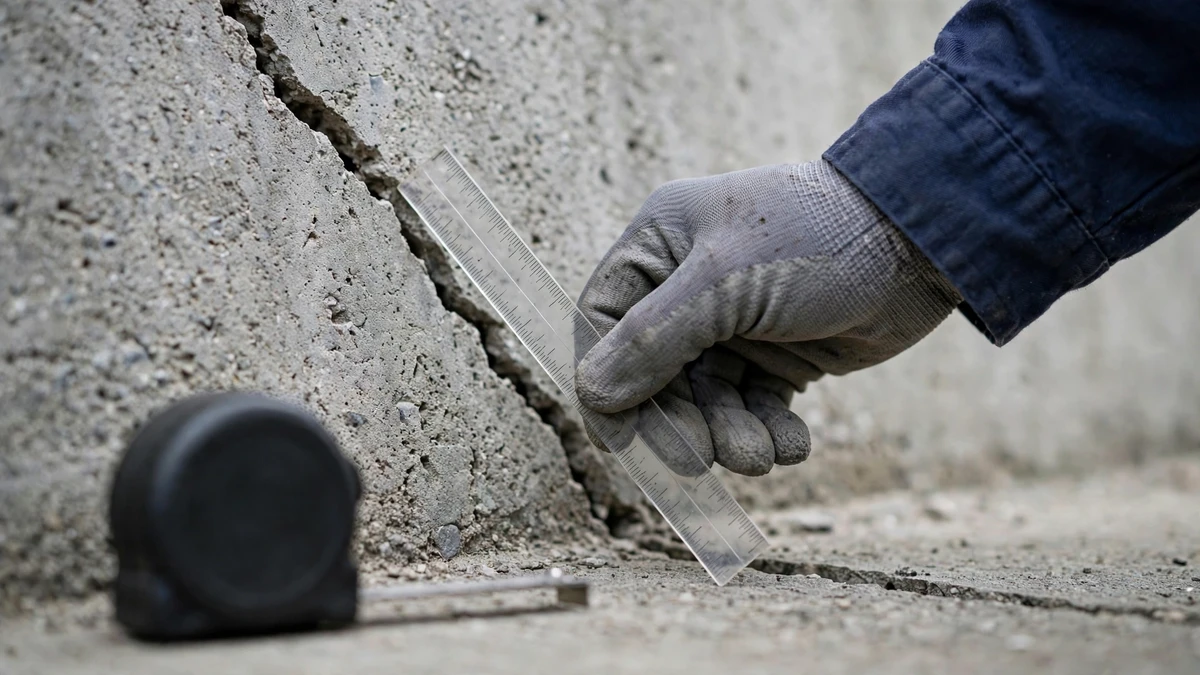
- Photograph cracks with a ruler or coin for scale, and note the date.
How Local Pros Typically Handle the Job
- Evaluation. The pro measures floor levels, maps cracks and checks walls for plumb, inside and out.
- Cause. A good evaluation identifies the cause, not just the symptom, before proposing a repair.
- Repair plan. You get a written plan with the method, number of piers or anchors, permits and price.
- Repair and drainage. After the repair, drainage fixes such as downspout extensions or regrading help keep it stable.
Lake Grove Foundation Repair FAQ
Which foundation cracks in Lake Grove homes need attention?
Thin vertical cracks in poured concrete are usually shrinkage. Horizontal cracks, stair-step cracks in block or brick, cracks wider than about 1/4 inch, and cracks that keep growing or are offset should be evaluated. Shrinkage cracks in poured walls are common and usually minor; cracks that leak, widen or offset are worth an evaluation.
Should I get a structural engineer in Lake Grove?
For major cracks, bowing walls, significant settlement, or when buying or selling a home, an independent engineer's report helps define the problem and makes contractor quotes easier to compare.
Why do doors stick in my Lake Grove home?
Doors that stick or won't latch can be a sign of foundation movement, especially if cracks appear above door frames. Humidity can also swell doors, so note whether the problem comes and goes with the seasons. Shrinkage cracks in poured walls are common and usually minor; cracks that leak, widen or offset are worth an evaluation.
Dawn Waterproofing connects homeowners with independent local service providers and does not perform the work. Availability, licensing, pricing and scheduling are set by the provider you speak with.