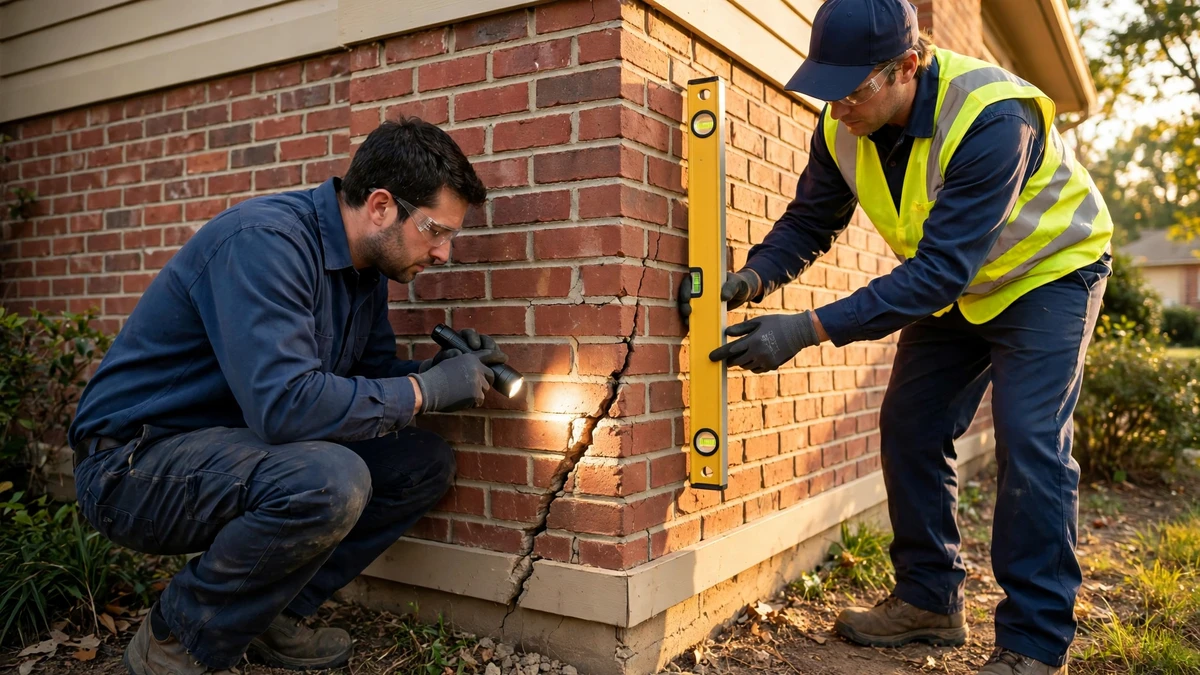
Ground, Housing and Foundation Repair in Nesconset
Because the ground drains well, basement water here more often traces to roof runoff, gutters, grading or a high seasonal water table than to the soil itself. Central Suffolk spans the Ronkonkoma moraine and the sandy outwash plain south of it, and its soils are among the fastest-draining on Long Island.
The water table sits closer to the surface near the Connetquot and Carmans river valleys and around Lake Ronkonkoma, and it rises after wet winters. Many central Suffolk homes still use cesspools or septic systems rather than sewers, and a saturated or failing system can send water toward a basement.
What that means for foundation repair in practice: Shrinkage cracks in poured walls are common and usually minor; cracks that leak, widen or offset are worth an evaluation. Settlement is most often seen at additions, garages and slabs placed on poorly compacted fill.
This page covers Nesconset, ZIP code 11767. If you are on a cesspool, keep an eye on slow drains after heavy rain; a saturated system can back up into the house.
Foundation Repair Services Available in Nesconset
These are the services that matter most given local conditions in central Suffolk County, listed with the warning signs to look for in a Nesconset home.
Foundation Crack Injection in Nesconset
Not all foundation cracks are equal. Thin vertical cracks in poured concrete are usually shrinkage and are mainly a leak risk. Stair-step cracks in block or brick, horizontal cracks, cracks that are wider at one end, and cracks where one side has moved relative to the other indicate movement and need an evaluation. Epoxy injection bonds a structural crack back together; polyurethane injection seals a crack against water while allowing slight movement.
Given local conditions in central Suffolk County, this is one of the more common requests in Nesconset.
- Horizontal cracks in a basement wall
- Stair-step cracks in block or brick
- One side of a crack offset from the other
Foundation Inspection in Nesconset
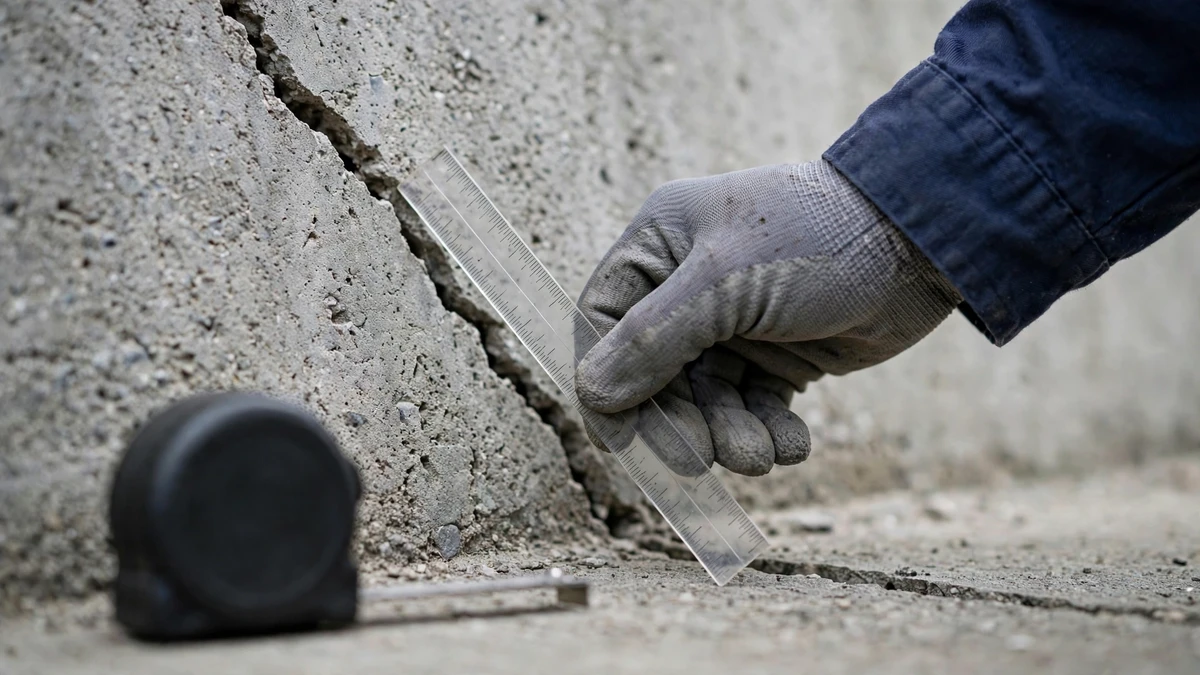
A foundation evaluation starts with how the house is moving, not just where it's cracked. Inspectors measure floor elevations with a digital level or manometer, check walls for plumb, map cracks by width, direction and offset, and look at drainage and soil around the house. The pattern tells the story: cracks wider at the top than the bottom, doors that stick on one side of the house and floors that slope toward one corner usually point to settlement in that area.
In Nesconset, this ranks among the most frequent reasons homeowners call.
- Doors and windows that stick or won't latch
- Chimney leaning away from the house
- Sloping or bouncy floors

Settling Foundation Repair in Nesconset
Signs of settlement tend to cluster on one side or corner of the house: cracks that are wider at the top, doors that rub on the same side, floors that slope toward the low spot. Correcting the cause, such as a downspout dumping water at that corner or a leaking line under the house, is part of the repair, otherwise the soil may keep moving even after the footing is supported.
For Nesconset homes, this is often one of the first things a pro will look at.
- Brick separating from window frames
- Cracks wider at the top than at the bottom
- Floors that slope toward one corner
Slab Lifting and Concrete Leveling in Nesconset
A sunken concrete slab is often salvageable. Slab lifting fills the empty space under the concrete with expanding polyurethane foam or a cement slurry, raising the slab back toward level through small drilled holes. It's faster and less disruptive than tearing out and replacing the slab, and it fixes the slope that sends rain toward the foundation. If the slab is badly broken, or the soil beneath keeps washing out, replacement may be the better choice.
- Water pooling on a patio or garage floor
- Cracks in a basement or garage slab
- Driveway or walk sloping toward the house
Front Step and Stoop Repair in Nesconset
Concrete stoops and steps often sit on shallower footings than the house, and frost heave or settling soil can make them tilt, crack or pull away from the foundation. The gap that opens up lets water run down the foundation wall, which is why a separated stoop often shows up as a leak in the basement below it. Repairs range from sealing the joint and lifting the stoop to supporting it with helical piers or rebuilding it on proper footings.
- Basement leak below the front steps
- Steps tilting toward or away from the door
- A gap between the stoop and the house
Bowing Basement Wall Repair in Nesconset
Bowing walls are usually a water problem as well as a structural one: the pressure comes from wet or frozen soil, so drainage and grading improvements are part of a lasting repair. Walls that have moved more than a couple of inches may need to be excavated, straightened or rebuilt. An engineer's assessment helps determine which method is appropriate.
- Mortar joints pushing in
- Gaps between the wall and the floor joists
- Horizontal crack along the middle of a block wall
Other Foundation Repair Services
Pros serving Nesconset also handle push piers and helical piers, crawl space support and sagging floors. These come up less often locally but follow the same approach: find the source, then fix it.
Before You Call: What to Check
- Check where downspouts discharge near the foundation.
- Find any past inspection reports or repair records.
- Mark the ends of cracks with a pencil so you can see whether they grow.
- Note doors and windows that stick, and where floors slope.
How Local Pros Typically Handle the Job
- Evaluation. The pro measures floor levels, maps cracks and checks walls for plumb, inside and out.
- Cause. They explain what's moving and why: settlement, soil pressure, frost or poor drainage.
- Repair plan. You get a written plan with the method, number of piers or anchors, permits and price.
- Repair and drainage. Repairs are completed and drainage issues addressed so the problem doesn't return.
Nesconset Foundation Repair FAQ
Can drainage problems cause foundation damage in Nesconset?
Yes. Saturated or frozen soil adds pressure and can soften or wash out soil under footings. Fixing gutters, downspouts and grading is often part of a lasting foundation repair.
Why do doors stick in my Nesconset home?
Doors that stick or won't latch can be a sign of foundation movement, especially if cracks appear above door frames. Humidity can also swell doors, so note whether the problem comes and goes with the seasons. Shrinkage cracks in poured walls are common and usually minor; cracks that leak, widen or offset are worth an evaluation.
Should I get a structural engineer in Nesconset?
For major cracks, bowing walls, significant settlement, or when buying or selling a home, an independent engineer's report helps define the problem and makes contractor quotes easier to compare.
Dawn Waterproofing connects homeowners with independent local service providers and does not perform the work. Availability, licensing, pricing and scheduling are set by the provider you speak with.