Local Conditions That Affect Foundation Repair in Centerport
Sloped lots send runoff toward the low side of a house, and a basement wall cut into a hillside can carry steady water pressure after long rains. Glacial soils here mix sand and gravel with denser layers that slow drainage, so water can perch against a foundation even on high ground.
The North Shore of Suffolk rises onto the Harbor Hill moraine, with rolling hills, steep bluffs and deep harbors such as Huntington, Northport, Stony Brook and Port Jefferson. Low-lying harbor streets can flood during coastal storms when high tide and onshore winds line up.
What that means for foundation repair in practice: Older stone foundations may need repointing before other repairs will hold. Lateral pressure on uphill basement walls can cause horizontal cracking or inward bowing.
This page covers Centerport, ZIP code 11721. Clear gutters in late fall and make sure downspouts discharge well away from the house on a slope.
Foundation Repair Services Available in Centerport
These are the services that matter most given local conditions on Suffolk County's North Shore, listed with the warning signs to look for in a Centerport home.
Bowing Basement Wall Repair in Centerport
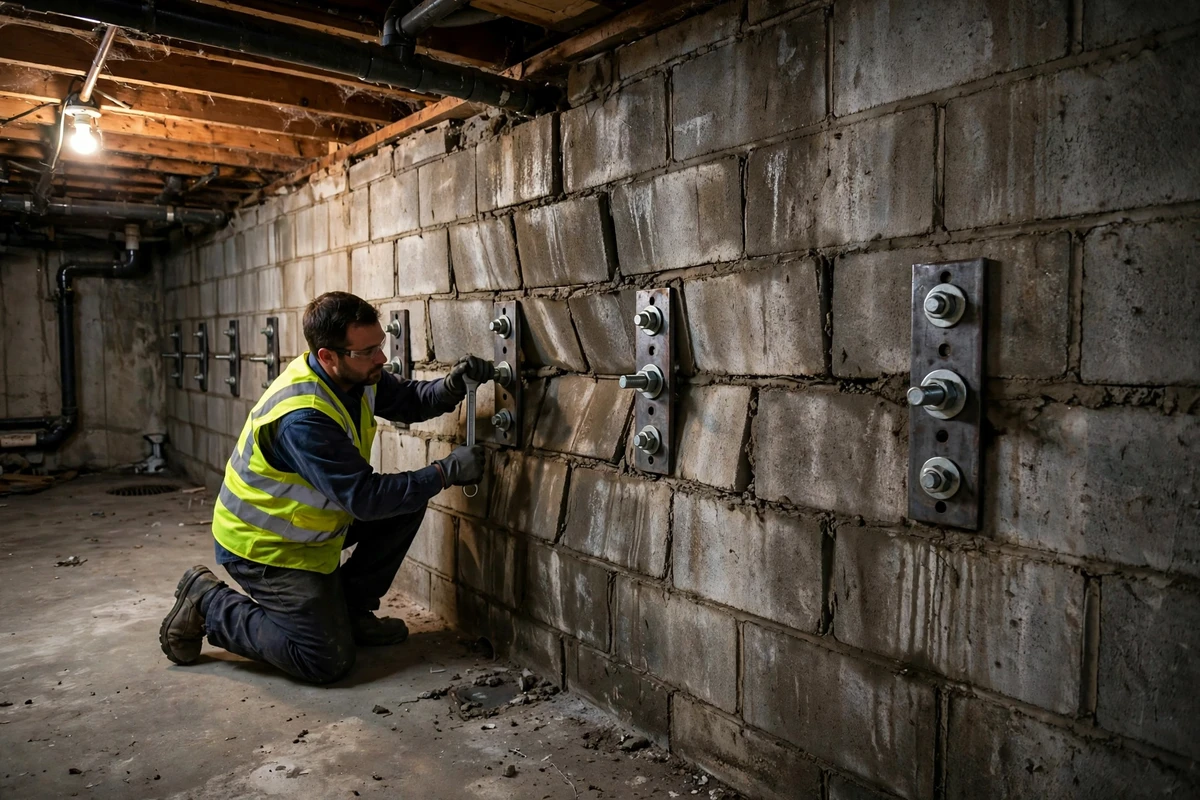
A basement wall that bows or leans is being pushed by the soil outside, usually because it is saturated or freezing. The repair depends on how far it has moved: carbon fiber straps for small movement, steel beams anchored to the floor and floor framing for moderate movement, and wall anchors tied to plates in the yard when there is room outside and the wall may need to be pulled back over time. Severe movement can require excavation and rebuilding.
Given local conditions on Suffolk County's North Shore, this is one of the more common requests in Centerport.
- Stair-step cracks at the corners
- Mortar joints pushing in
- Gaps between the wall and the floor joists
Foundation Inspection in Centerport
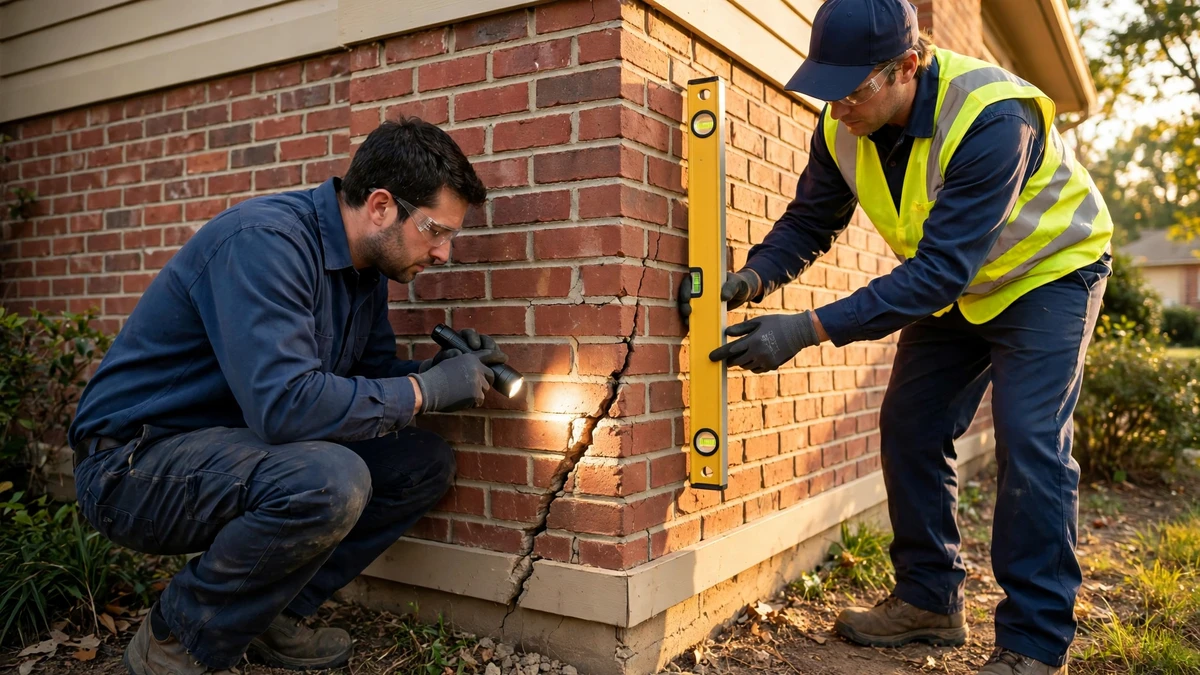
A thorough foundation inspection looks at the whole house, not just the crack that worried you. Expect the inspector to walk the exterior for grading and drainage problems, check the basement or crawl space for wall movement and moisture, measure floors for slope, and note doors, windows and drywall cracks upstairs. Together those observations show whether the house is settling, being pushed by soil, or simply showing normal cosmetic cracking.
Given local conditions on Suffolk County's North Shore, this is one of the more common requests in Centerport.
- Cracks in the foundation wider than about 1/4 inch
- Chimney leaning away from the house
- Sloping or bouncy floors
Foundation Crack Injection in Centerport
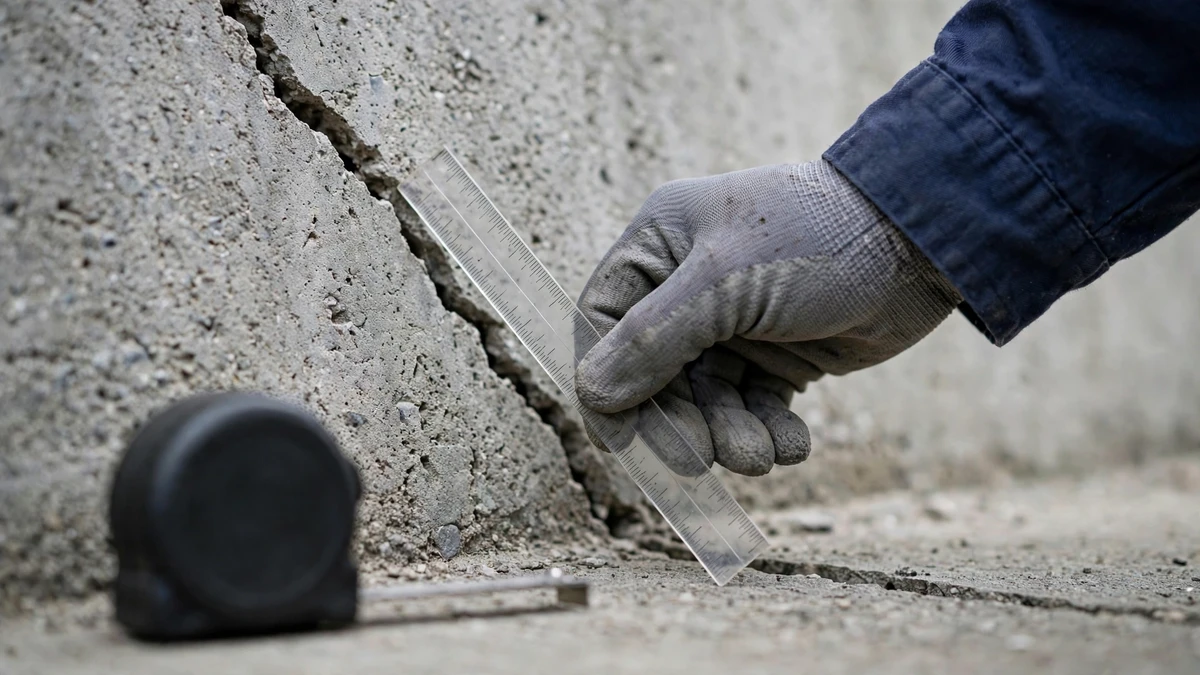
The direction and shape of a crack say a lot. Vertical hairline cracks in poured concrete are usually shrinkage. A crack wider at the top than the bottom suggests settlement at one end; a horizontal crack suggests soil pressing on the wall. Repair options run from flexible polyurethane injection for leaks to epoxy injection that bonds the concrete, combined where needed with reinforcement such as carbon fiber or steel to keep the crack from reopening.
For Centerport homes, this is often one of the first things a pro will look at.
- Stair-step cracks in block or brick
- One side of a crack offset from the other
- Horizontal cracks in a basement wall
Settling Foundation Repair in Centerport
Foundation settlement happens when part of the house sinks because the soil beneath it gives way. Look for patterns: cracks that open wider toward the top, floors that slope toward one corner, doors that rub at the top, and gaps around windows or between an addition and the house. Repairs usually support the footing with piers that reach firmer soil, and they work best when the water problem that softened the soil is also fixed.
- Brick separating from window frames
- Cracks wider at the top than at the bottom
- Floors that slope toward one corner
Push Piers and Helical Piers in Centerport
Underpinning shifts a footing's load from weak soil to a deeper layer that can carry it. Steel push piers are driven hydraulically under the footing until they hit load-bearing strata; helical piers are screwed into the ground and can be load-tested as they go in. Brackets tie the piers to the footing, and in some cases the structure can be gently raised. A contractor should tell you the expected depth, load capacity and any lifting plan before work starts.
- A corner of the house measurably lower than the rest
- An engineer's report recommending underpinning
- A new addition or heavy load planned on an old footing
Slab Lifting and Concrete Leveling in Centerport
A sunken concrete slab is often salvageable. Slab lifting fills the empty space under the concrete with expanding polyurethane foam or a cement slurry, raising the slab back toward level through small drilled holes. It's faster and less disruptive than tearing out and replacing the slab, and it fixes the slope that sends rain toward the foundation. If the slab is badly broken, or the soil beneath keeps washing out, replacement may be the better choice.
- Trip hazards at slab joints
- Gaps between a slab and the foundation
- Voids under a slab that sound hollow
Other Foundation Repair Services
Pros serving Centerport also handle stoop, step and porch repair, crawl space support and sagging floors. These come up less often locally but follow the same approach: find the source, then fix it.
Before You Call: What to Check
- Note doors and windows that stick, and where floors slope.
- Check where downspouts discharge near the foundation.
- Find any past inspection reports or repair records.
- Photograph cracks with a ruler or coin for scale, and note the date.
How Local Pros Typically Handle the Job
- Evaluation. Expect a floor-level survey, crack measurements and an inspection of walls and drainage.
- Cause. A good evaluation identifies the cause, not just the symptom, before proposing a repair.
- Repair plan. You get a written plan with the method, number of piers or anchors, permits and price.
- Repair and drainage. After the repair, drainage fixes such as downspout extensions or regrading help keep it stable.
Centerport Foundation Repair FAQ
Which foundation cracks in Centerport homes need attention?
Thin vertical cracks in poured concrete are usually shrinkage. Horizontal cracks, stair-step cracks in block or brick, cracks wider than about 1/4 inch, and cracks that keep growing or are offset should be evaluated. Older stone foundations may need repointing before other repairs will hold.
Can drainage problems cause foundation damage in Centerport?
Yes. Saturated or frozen soil adds pressure and can soften or wash out soil under footings. Fixing gutters, downspouts and grading is often part of a lasting foundation repair.
How long does foundation repair take in Centerport?
Crack injection is often finished in a day. Installing piers or wall anchors usually takes a few days, and larger jobs with excavation take longer. Permits and weather can affect timing.
Dawn Waterproofing connects homeowners with independent local service providers and does not perform the work. Availability, licensing, pricing and scheduling are set by the provider you speak with.