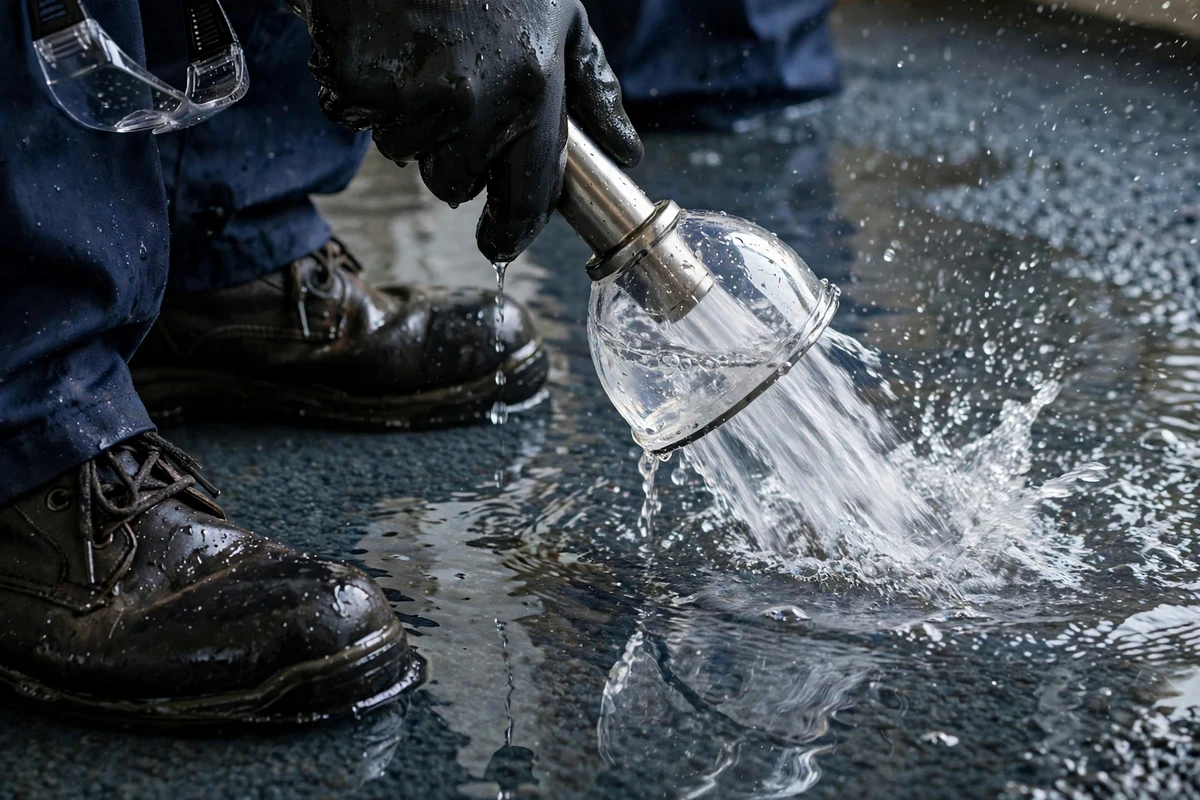
Local Water Damage Risks in West Park
Nor'easters and summer thunderstorms bring heavy rain, and spring melt can saturate the ground. The region has some of the oldest housing in New York, including 18th-century Dutch stone houses in Kingston and Hurley and many 19th-century farmhouses on fieldstone foundations.
Most suburban homes date from the 1950s onward, often with block or poured basements and sump pits. The Mid-Hudson Valley's soils range from heavy clay along the river to rocky glacial till and shale in the uplands, and both can hold water against foundations.
What that means for water damage in practice: Frozen pipes and ice dams are common winter water damage sources. Creek flooding can bring contaminated water into basements.
This page covers West Park, ZIP code 12493. Insulate pipes on exterior walls before the first hard freeze.
Water Damage Restoration Services in West Park
These are the services that matter most given local conditions in the Mid-Hudson Valley, listed with the warning signs to look for in a West Park home.
Frozen Pipe Water Damage Repair in West Park
When water freezes in a pipe it expands, and the pressure often splits the pipe somewhere other than where the ice formed. The leak usually starts when the pipe thaws, which is why burst pipes are often discovered after a cold snap breaks. The first step is to shut off the main water valve; everyone in the house should know where it is. Pipes on exterior walls, in crawl spaces, garages and attics, and in cabinets on outside walls are the most vulnerable.
Given local conditions in the Mid-Hudson Valley, this is one of the more common requests in West Park.
- Bulging or wet drywall near a pipe
- The sound of running water when nothing is on
- Water stains on ceilings below plumbing
Standing Water Removal in West Park
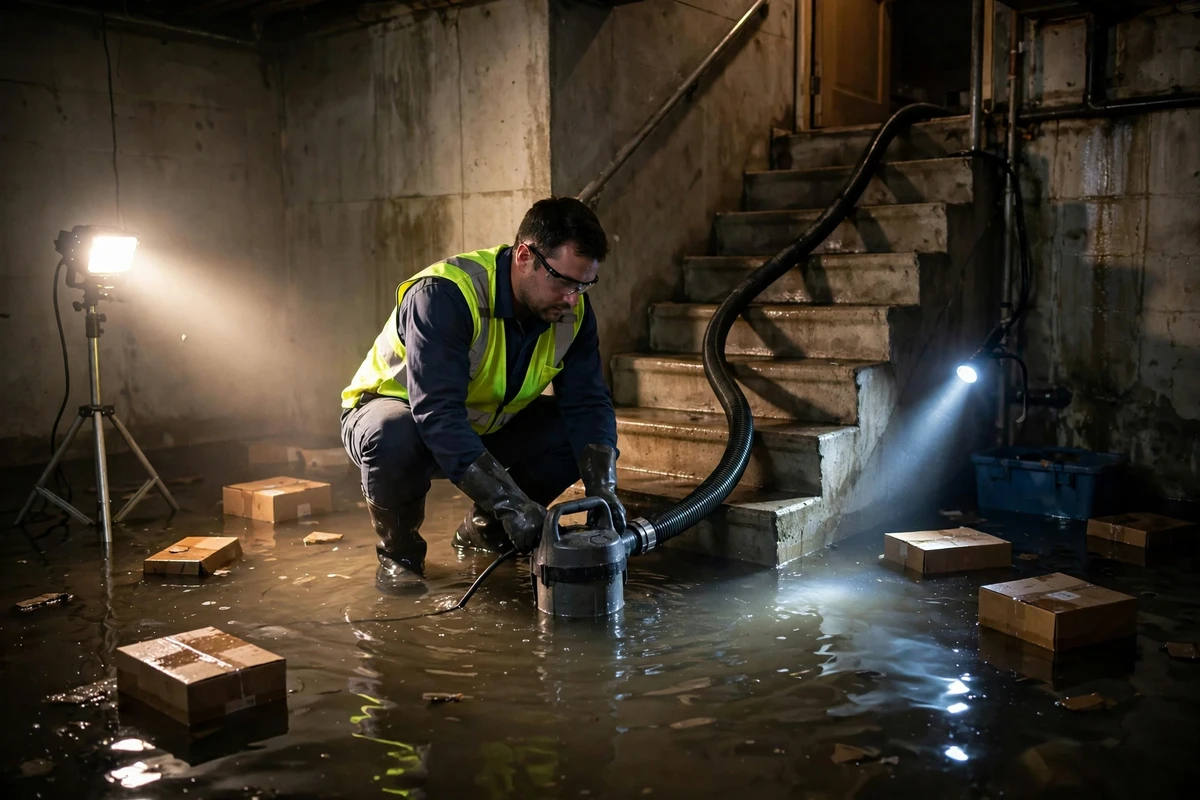
Getting the water out is the step that determines how much can be saved. Pumps handle standing water, and powerful extraction wands pull water out of carpet and padding far better than household equipment. Crews also check for water hiding under flooring, in wall cavities and below cabinets. The faster this happens, the less water soaks into drywall, framing and subfloors, which keeps drying time and repair costs down.
For West Park homes, this is often one of the first things a pro will look at.
- Storm or groundwater flooding
- Water from an appliance, pipe or water heater failure
- Water that has spread under walls into other rooms
Water Damage Drying in West Park
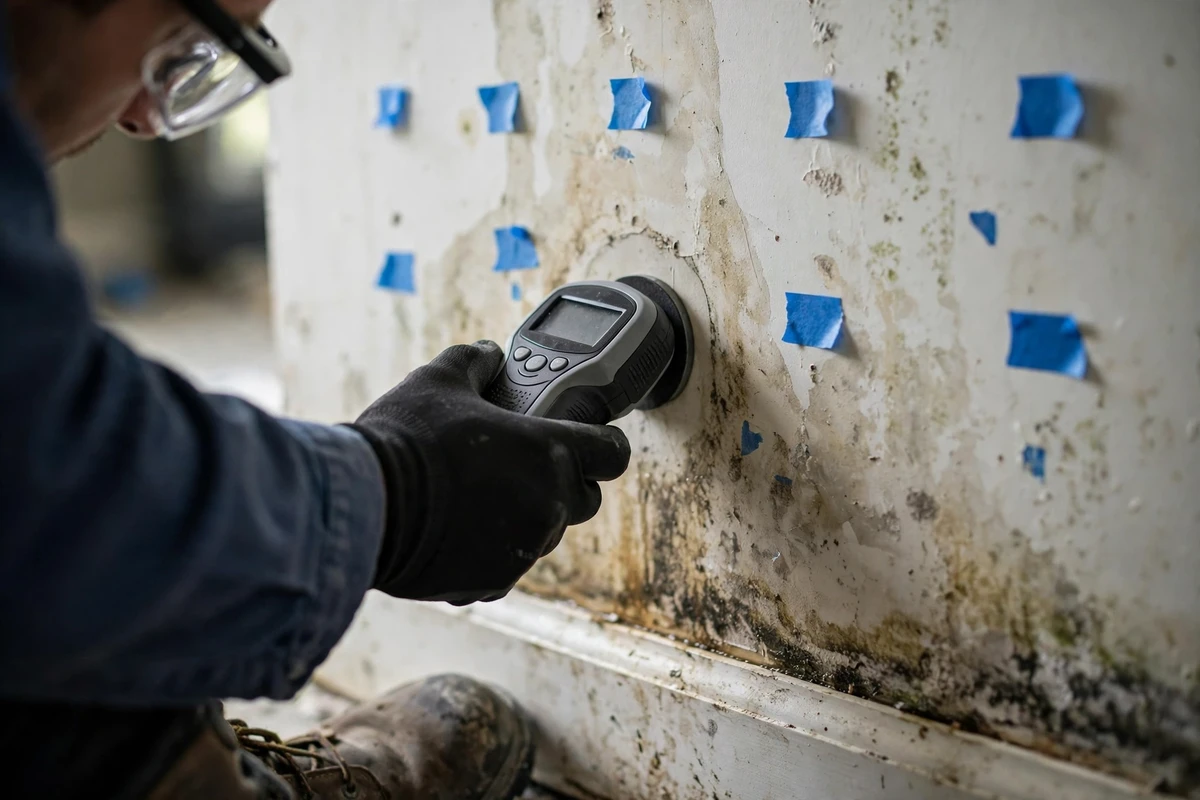
Drying a house is a measured process. Air movers push dry air across wet surfaces, commercial dehumidifiers pull the moisture out of the air, and technicians check moisture levels in walls, floors and framing each day. Equipment is moved or removed as areas dry. When drying is documented this way, you and your insurer have a record showing the structure is dry before walls are closed up and floors are replaced.
Given local conditions in the Mid-Hudson Valley, this is one of the more common requests in West Park.
- High humidity in the affected area
- Wet insulation behind walls
- Musty smell a few days after a leak
Flooded Basement Cleanup in West Park
Basement flooding comes from several sources: groundwater rising through the floor and walls, surface water entering through window wells and doors, a failed sump pump, or sewer water backing up through drains. Cleanup starts with pumping out the water, then removing wet carpet, pad and damaged drywall, cleaning and disinfecting surfaces, and drying the space with professional equipment.
- Soaked carpet, drywall or stored items
- Water entering through walls or the floor
- A failed sump pump
Ceiling Water Damage Repair in West Park
Ceiling stains are often the first sign of a leak above. The source may be the roof, an ice dam, a bathroom upstairs or a pipe in the ceiling, and the stain doesn't always sit directly under it. A bulging ceiling may be holding water and can give way, so keep people out from under it. Once the source is fixed, wet drywall is removed, the cavity and framing are dried, and new drywall is installed and finished.
- Stains below bathrooms or under the roof
- Brown or yellow stains on ceilings
- Sagging or bulging ceiling drywall
Mold Remediation After Water Damage in West Park
Mold needs moisture, and water damage supplies it. If materials stay wet for more than a day or two, mold can begin growing on drywall, wood and carpet backing. Professional remediation contains the work area to keep spores from spreading, removes affected porous materials, cleans surfaces with HEPA vacuums and antimicrobial products, and dries the space. Under New York State law, projects larger than 10 square feet must be handled by licensed mold professionals.
- Allergy symptoms that worsen at home
- Musty smell that doesn't go away
- Water damage that wasn't dried within two days
Other Water Damage Services
Pros serving West Park also handle storm and roof leak water damage, sewage backup cleanup, contents cleaning and insurance documentation. These come up less often locally but follow the same approach: find the source, then fix it.
Before You Call: What to Check
- Photograph damage before moving items.
- Call your insurance company to start a claim.
- Turn off power to wet areas only if you can do it without standing in water.
- Move valuables and documents to a dry area.
How Local Pros Typically Handle the Job
- Emergency response. First, the water source is shut off, the area is made safe and standing water is removed.
- Assessment. Technicians trace where water traveled inside walls and floors and classify how contaminated it is.
- Removal and drying. Unsalvageable materials are removed, and air movers and dehumidifiers dry the structure with daily readings.
- Documentation and repair. Photos, readings and item lists are compiled for insurance, and repairs can begin once dry.
West Park Water Damage FAQ
What should I do first after water damage in West Park?
Stop the water at the main shut-off if it's a plumbing leak, make the area safe, photograph the damage and call your insurer. Extraction and drying should start as soon as possible, because mold can begin within 24 to 48 hours. Creek flooding can bring contaminated water into basements.
How do I know if water got inside my walls in West Park?
Look for stains, bubbling paint, soft drywall and swollen baseboards, and notice musty smells. Moisture meters and thermal cameras show where water spread behind surfaces.
Is flood water treated differently from a burst pipe in West Park?
Yes. Water from a supply line is clean water and can often be dried in place if handled quickly. Flood water and sewage are contaminated, so porous materials they touched are usually removed. Insurance coverage also differs by source.
Dawn Waterproofing connects homeowners with independent local service providers and does not perform the work. Availability, licensing, pricing and scheduling are set by the provider you speak with.