Common Causes of Water Damage in Valley Falls
The rolling hills of Rensselaer and Columbia counties toward the Massachusetts line have rocky glacial till soils that drain poorly and hold water against foundations. Many homes are 18th- and 19th-century farmhouses on fieldstone foundations, along with mid-century homes and newer builds.
Wells, septic systems and long private driveways are the norm, and seasonal springs and wet basements are common in spring. Small streams and creeks can rise quickly in heavy rain and flood low-lying properties.
What that means for water damage in practice: Frozen pipes in older, drafty houses are a major winter risk. Well pump and pressure tank leaks are common sources of basement water.
This page covers Valley Falls, ZIP code 12185. Insulate pipes along exterior walls and in crawl spaces before winter.
Water Damage Cleanup Services for Valley Falls Homes
These are the services that matter most given local conditions in the rural hills east of the Hudson, listed with the warning signs to look for in a Valley Falls home.
Frozen Pipe Water Damage Repair in Valley Falls
A burst pipe releases clean water, but if it isn't dried quickly it can still lead to mold and damage to drywall, flooring and ceilings below. Water from upper floors often travels down inside walls and shows up far from the break. After extraction and drying, a plumber should repair the pipe and look at whether insulation, heat tape or rerouting is needed so it doesn't freeze again.
Given local conditions in the rural hills east of the Hudson, this is one of the more common requests in Valley Falls.
- The sound of running water when nothing is on
- Bulging or wet drywall near a pipe
- Water stains on ceilings below plumbing
Standing Water Removal in Valley Falls
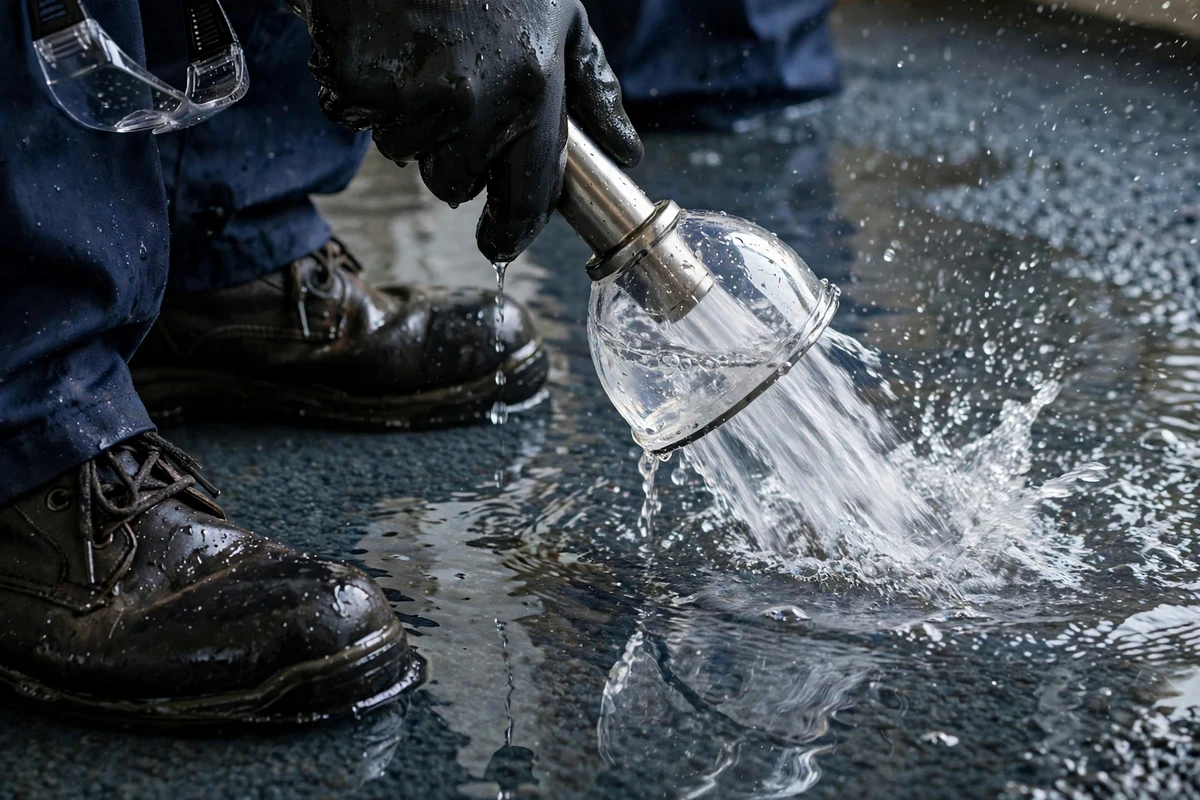
Before anyone walks into standing water, the power to that area should be shut off at the panel if you can reach it safely. Once the water is out, technicians remove wet carpet pad, which rarely dries properly in place, and check for moisture that has wicked into walls and under flooring. Thorough extraction shortens drying time and reduces the risk of mold.
In Valley Falls, this ranks among the most frequent reasons homeowners call.
- Water that has spread under walls into other rooms
- A finished basement that has flooded
- Storm or groundwater flooding
Structural Drying and Dehumidification in Valley Falls
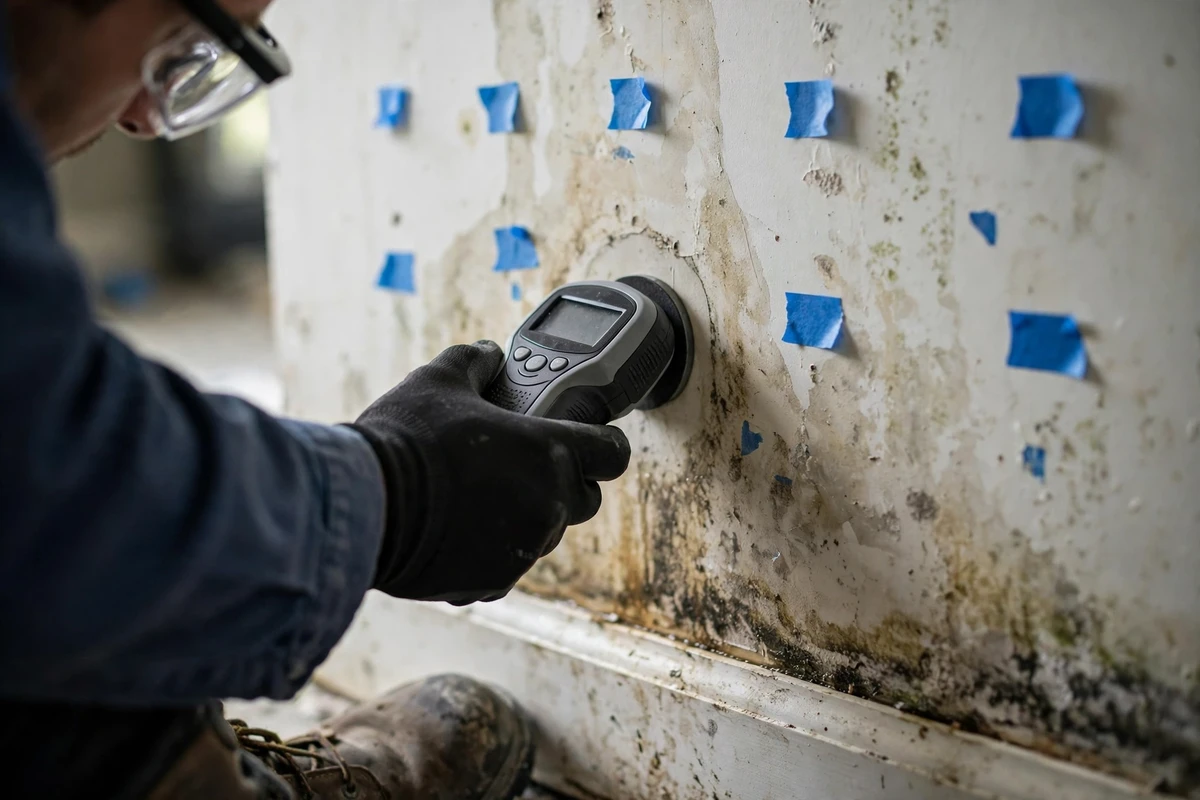
Moisture meters and thermal cameras show where water has traveled, which is often farther than the stain you can see. Drying should be documented with daily readings so you and your insurer can see the progress. Materials that can't be dried, such as soaked insulation and swollen particleboard, are removed rather than left to grow mold.
Given local conditions in the rural hills east of the Hudson, this is one of the more common requests in Valley Falls.
- High humidity in the affected area
- Peeling paint or bubbling wall surfaces
- Musty smell a few days after a leak
Flooded Basement Cleanup in Valley Falls
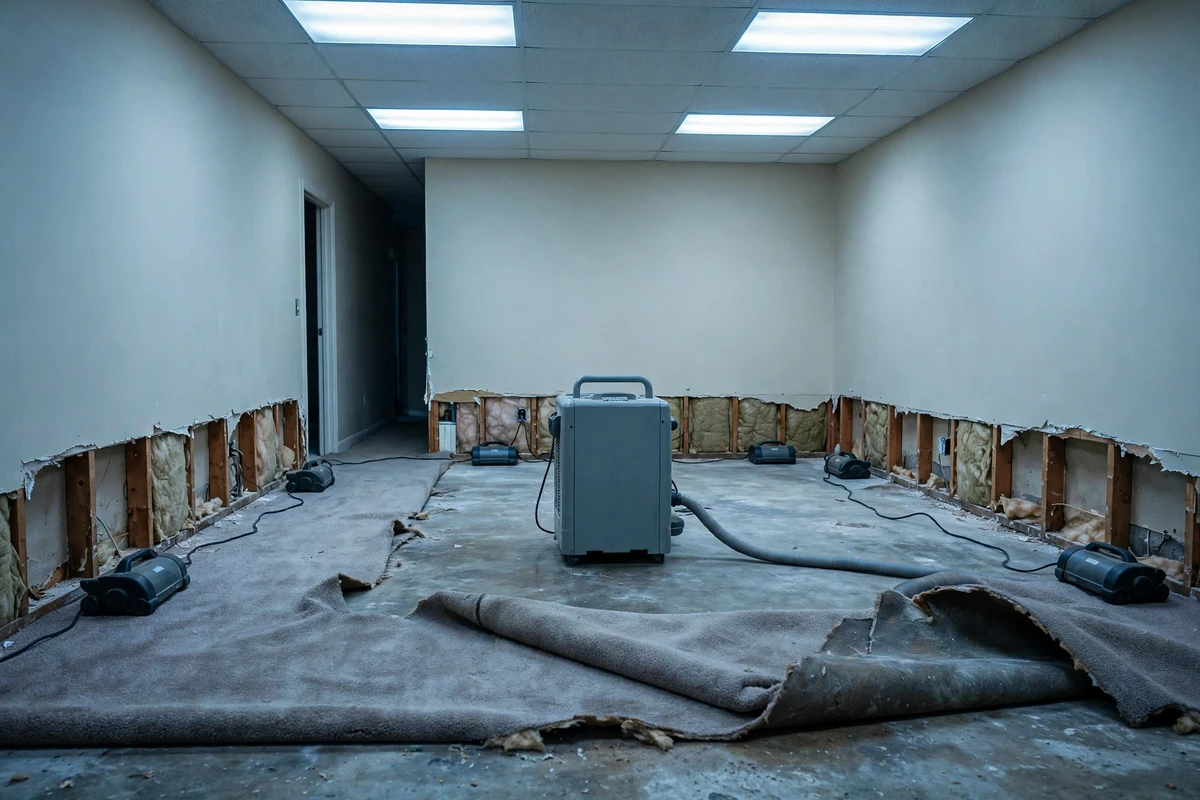
If floodwater came from outside or from a sewer, it is considered contaminated, and porous materials it touched, like carpet, pad, insulation and the lower part of drywall, are usually removed. Technicians often make a flood cut, removing drywall a foot or two above the water line so the wall cavity can dry and be disinfected. Flood insurance and homeowners policies treat these sources differently, so note where the water came from.
- A failed sump pump
- Mud or debris left after the water recedes
- Water entering through walls or the floor
Mold Prevention After a Leak in Valley Falls
Mold can begin to grow on wet materials within 24 to 48 hours, which is why fast drying matters so much. Once mold is established, remediation involves containing the area with plastic sheeting and negative air pressure so spores don't spread, removing moldy porous materials, cleaning surfaces with HEPA vacuums and antimicrobial treatment, and drying the area thoroughly. The moisture source has to be fixed, or the mold will return.
- Allergy symptoms that worsen at home
- Musty smell that doesn't go away
- Mold after a flood or sewage backup
Water-Damaged Drywall and Ceilings in Valley Falls
Ceiling stains are often the first sign of a leak above. The source may be the roof, an ice dam, a bathroom upstairs or a pipe in the ceiling, and the stain doesn't always sit directly under it. A bulging ceiling may be holding water and can give way, so keep people out from under it. Once the source is fixed, wet drywall is removed, the cavity and framing are dried, and new drywall is installed and finished.
- Brown or yellow stains on ceilings
- Soft or crumbling drywall
- Sagging or bulging ceiling drywall
Other Water Damage Services
Pros serving Valley Falls also handle storm and roof leak water damage, contents cleaning and insurance documentation, sewage backup cleanup. These come up less often locally but follow the same approach: find the source, then fix it.
Before You Call: What to Check
- Turn off power to wet areas only if you can do it without standing in water.
- Call your insurance company to start a claim.
- Photograph damage before moving items.
- Shut off the water at the main valve if a pipe or fixture is leaking.
How Local Pros Typically Handle the Job
- Emergency response. First, the water source is shut off, the area is made safe and standing water is removed.
- Assessment. Moisture meters and thermal cameras map how far the water spread, and the water category is determined.
- Removal and drying. Wet materials that can't be saved come out, and drying equipment runs with daily moisture checks.
- Documentation and repair. You get documentation for your insurer, and rebuilding starts once materials are confirmed dry.
Valley Falls Water Damage FAQ
Can I clean up water damage in my Valley Falls home myself?
Small spills of clean water that are dried within a day can often be handled with fans and a dehumidifier. Larger leaks, water inside walls or under floors, flood water and sewage should be handled by professionals with extraction and drying equipment. Well pump and pressure tank leaks are common sources of basement water.
How long does it take to dry a Valley Falls home after water damage?
Structural drying commonly takes three to five days, depending on how much water there was, the materials affected and the weather. Daily moisture readings show when materials are dry.
Does homeowners insurance cover water damage in Valley Falls?
It depends on the source. Sudden leaks from pipes and appliances are commonly covered; surface flooding needs flood insurance; sewer backups often need a separate rider; slow, long-term leaks are frequently excluded. Check your policy and call your insurer early.
Dawn Waterproofing connects homeowners with independent local service providers and does not perform the work. Availability, licensing, pricing and scheduling are set by the provider you speak with.