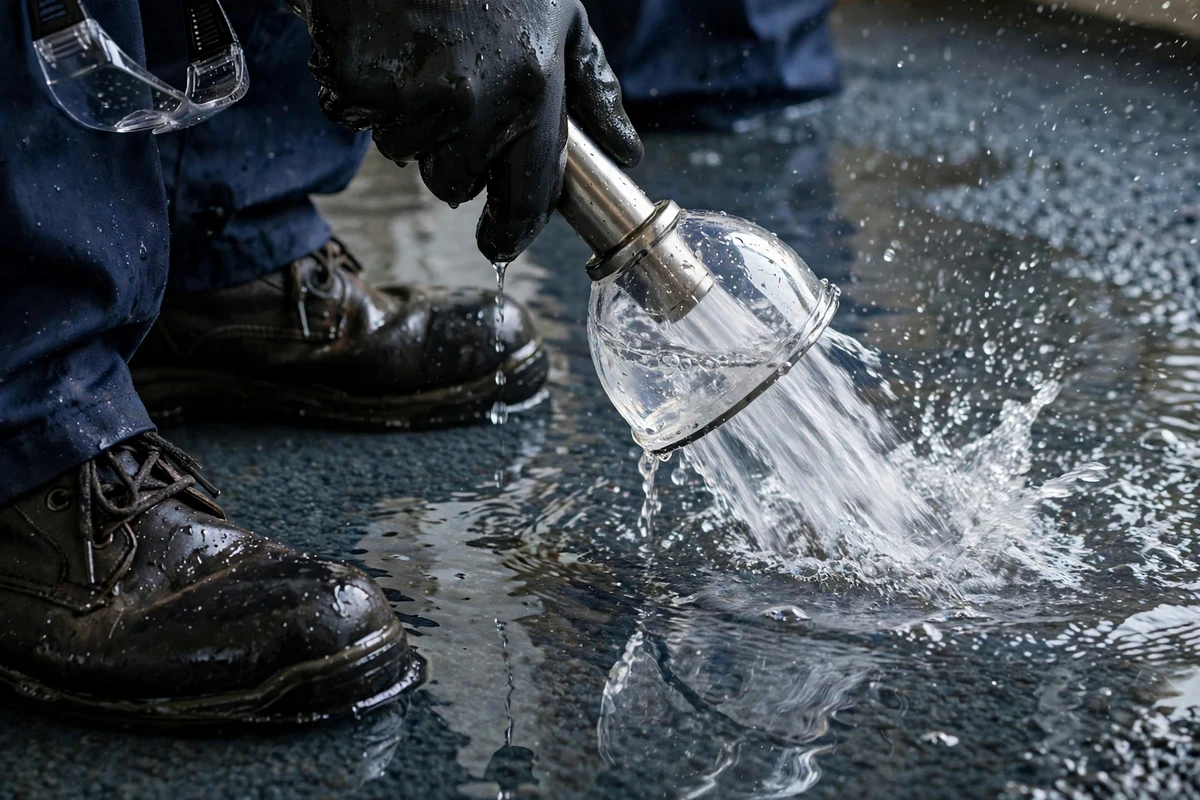
Local Water Damage Risks in Huntington
Huntington's village and harbor area mix 19th-century homes with mid-century neighborhoods on hilly ground around Huntington Harbor.
Sloped lots send runoff toward the low side of a house, and a basement wall cut into a hillside can carry steady water pressure after long rains. Glacial soils here mix sand and gravel with denser layers that slow drainage, so water can perch against a foundation even on high ground.
Low-lying harbor streets can flood during coastal storms when high tide and onshore winds line up. The North Shore of Suffolk rises onto the Harbor Hill moraine, with rolling hills, steep bluffs and deep harbors such as Huntington, Northport, Stony Brook and Port Jefferson.
What that means for water damage in practice: In older homes, leaks behind plaster walls can spread far before they are noticed. Downpours on steep driveways can send water under garage doors and into lower levels.
This page covers Huntington, ZIP code 11743. After a long, soaking rain, check the uphill basement wall for damp spots at the floor joint.
Water Damage Restoration Services in Huntington
The sections below are ordered by how often each issue comes up in homes like those around Huntington. Each one explains what the work involves and the signs that suggest you may need it.
Storm Water Damage Cleanup in Huntington
Storm damage often comes from more than one direction at once: wind-driven rain through windows and siding, roof leaks where shingles or flashing failed, and surface water pushing into lower levels. Protecting the home comes first, with tarps on the roof and boards over broken windows, then extraction and drying. In winter, ice dams can force water under shingles even without a storm, showing up as ceiling stains along exterior walls.
For Huntington homes, this is often one of the first things a pro will look at.
- Water in the attic
- Damaged shingles or flashing
- Ceiling stains after storms or snowmelt
Standing Water Removal in Huntington
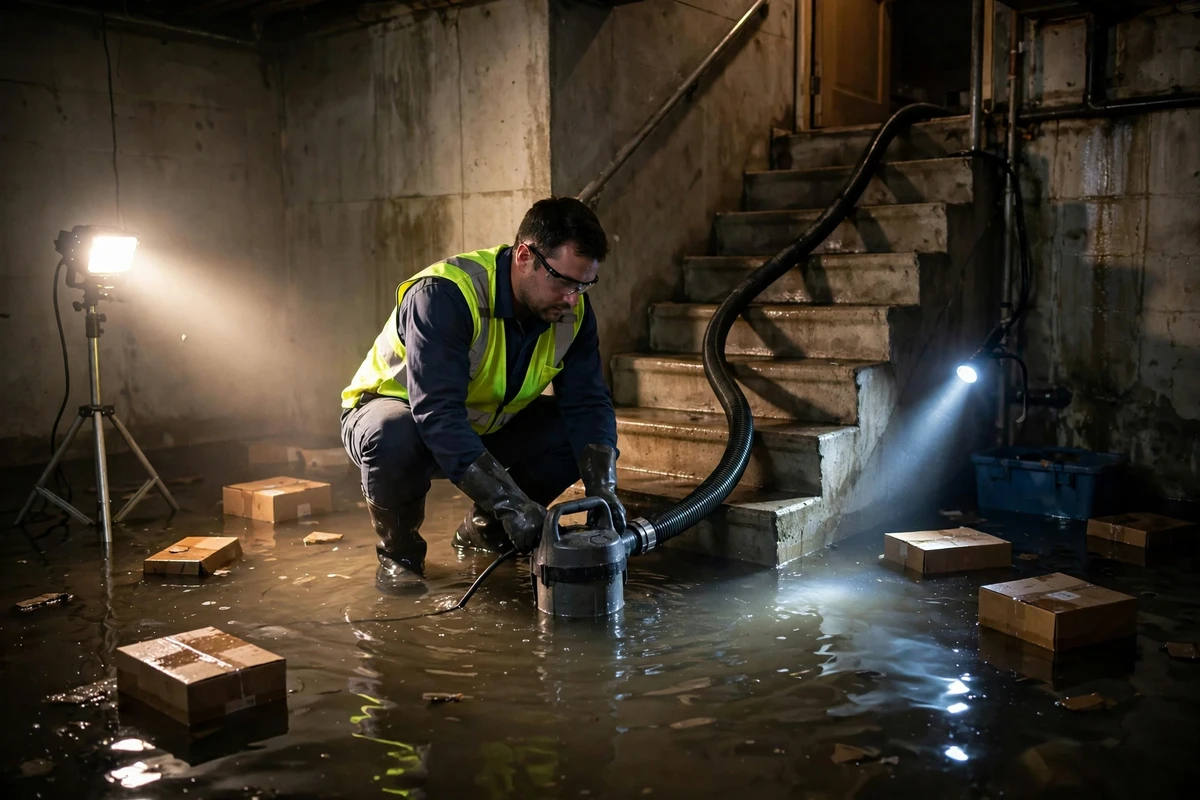
Before anyone walks into standing water, the power to that area should be shut off at the panel if you can reach it safely. Once the water is out, technicians remove wet carpet pad, which rarely dries properly in place, and check for moisture that has wicked into walls and under flooring. Thorough extraction shortens drying time and reduces the risk of mold.
For Huntington homes, this is often one of the first things a pro will look at.
- Water from an appliance, pipe or water heater failure
- Soaked carpet and pad
- A finished basement that has flooded
Structural Drying and Dehumidification in Huntington
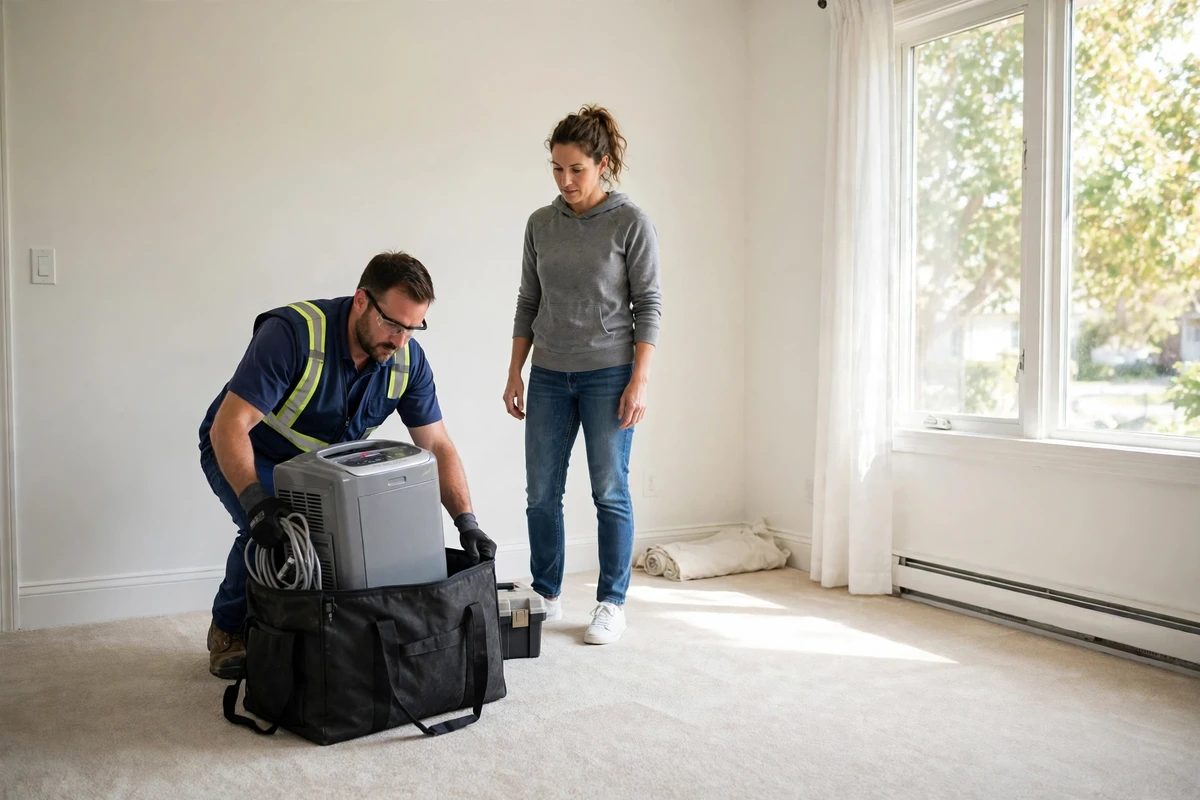
Removing visible water is only the start. Drywall, framing, subfloors and concrete absorb water and can stay wet for weeks without professional drying. Restoration crews set up air movers to move air across wet surfaces and commercial dehumidifiers to pull moisture out of the air, and they measure moisture in materials each day until readings return to normal. Drying usually takes three to five days, depending on materials and conditions.
Given local conditions on Suffolk County's North Shore, this is one of the more common requests in Huntington.
- High humidity in the affected area
- Swollen or cupping wood flooring
- Peeling paint or bubbling wall surfaces
Frozen Pipe Water Damage Repair in Huntington
Burst pipes cause some of the most sudden water damage a house can have. A small split can release hundreds of gallons in a few hours, and the water often travels inside walls and ceilings before it's seen. Shut off the main valve, open faucets to drain the system, and turn off power to wet areas if it's safe. After the cleanup, take a hard look at why the pipe froze: missing insulation, drafts or a cold cabinet on an exterior wall.
- Frost on exposed pipes
- Bulging or wet drywall near a pipe
- Water spraying or dripping from a pipe
Water-Damaged Drywall and Ceilings in Huntington
Drywall that has been soaked, stained or softened usually needs to be cut out and replaced once the framing is dry. Painting over a water stain without fixing the source and drying the cavity can trap moisture and hide mold. Leaks from upper-floor bathrooms often come from failed grout, caulk or shower pans.
- Sagging or bulging ceiling drywall
- Brown or yellow stains on ceilings
- Soft or crumbling drywall
Mold Remediation After Water Damage in Huntington
Mold can begin to grow on wet materials within 24 to 48 hours, which is why fast drying matters so much. Once mold is established, remediation involves containing the area with plastic sheeting and negative air pressure so spores don't spread, removing moldy porous materials, cleaning surfaces with HEPA vacuums and antimicrobial treatment, and drying the area thoroughly. The moisture source has to be fixed, or the mold will return.
- Mold after a flood or sewage backup
- Discolored drywall or baseboards
- Musty smell that doesn't go away
Other Water Damage Services
Pros serving Huntington also handle basement flood cleanup, sewage backup cleanup, contents cleaning and insurance documentation. These come up less often locally but follow the same approach: find the source, then fix it.
Before You Call: What to Check
- Photograph damage before moving items.
- Turn off power to wet areas only if you can do it without standing in water.
- Call your insurance company to start a claim.
- Move valuables and documents to a dry area.
How Local Pros Typically Handle the Job
- Emergency response. The source is stopped, the area is made safe and standing water is extracted.
- Assessment. Technicians trace where water traveled inside walls and floors and classify how contaminated it is.
- Removal and drying. Unsalvageable materials are removed, and air movers and dehumidifiers dry the structure with daily readings.
- Documentation and repair. Photos, readings and item lists are compiled for insurance, and repairs can begin once dry.
Huntington Water Damage FAQ
Can I clean up water damage in my Huntington home myself?
Small spills of clean water that are dried within a day can often be handled with fans and a dehumidifier. Larger leaks, water inside walls or under floors, flood water and sewage should be handled by professionals with extraction and drying equipment. Downpours on steep driveways can send water under garage doors and into lower levels.
How long does it take to dry a Huntington home after water damage?
Structural drying commonly takes three to five days, depending on how much water there was, the materials affected and the weather. Daily moisture readings show when materials are dry.
Does homeowners insurance cover water damage in Huntington?
It depends on the source. Sudden leaks from pipes and appliances are commonly covered; surface flooding needs flood insurance; sewer backups often need a separate rider; slow, long-term leaks are frequently excluded. Check your policy and call your insurer early.
Dawn Waterproofing connects homeowners with independent local service providers and does not perform the work. Availability, licensing, pricing and scheduling are set by the provider you speak with.