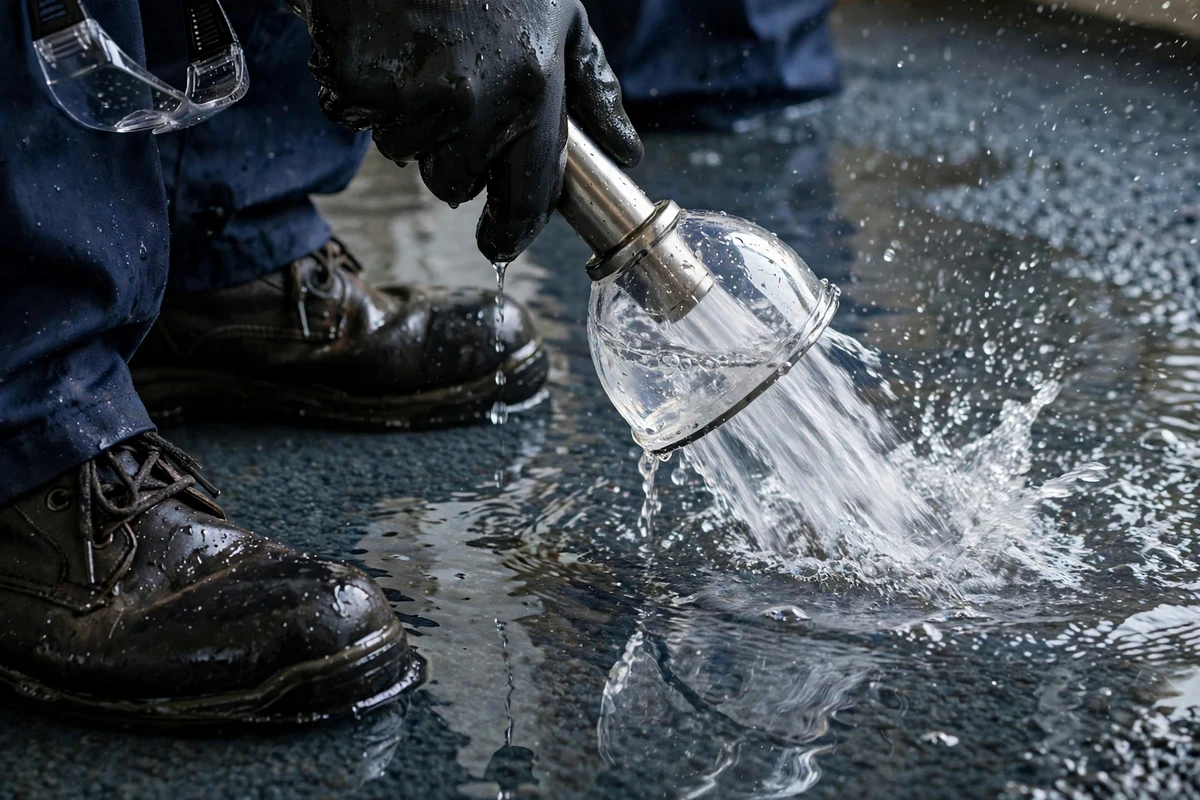
Common Causes of Water Damage in Deer Park
Central Suffolk spans the Ronkonkoma moraine and the sandy outwash plain south of it, and its soils are among the fastest-draining on Long Island. Many central Suffolk homes still use cesspools or septic systems rather than sewers, and a saturated or failing system can send water toward a basement.
Because the ground drains well, basement water here more often traces to roof runoff, gutters, grading or a high seasonal water table than to the soil itself. Most homes are postwar and later: capes, ranches, high-ranches and colonials from the 1950s through the 1990s, many with basements finished decades after the house was built.
What that means for water damage in practice: Finished basements hide moisture in carpet pad and wall cavities, so moisture readings matter. If a cesspool backs up into the basement, treat the water as contaminated.
This page covers Deer Park, ZIP code 11729. Point every downspout at least 4 to 6 feet away from the house; in sandy soil that alone often keeps a basement dry.
Water Damage Cleanup Services for Deer Park Homes
These are the services that matter most given local conditions in central Suffolk County, listed with the warning signs to look for in a Deer Park home.
Burst Pipe Water Damage Cleanup in Deer Park
A burst pipe releases clean water, but if it isn't dried quickly it can still lead to mold and damage to drywall, flooring and ceilings below. Water from upper floors often travels down inside walls and shows up far from the break. After extraction and drying, a plumber should repair the pipe and look at whether insulation, heat tape or rerouting is needed so it doesn't freeze again.
In Deer Park, this ranks among the most frequent reasons homeowners call.
- Bulging or wet drywall near a pipe
- A sudden drop in water pressure in winter
- Frost on exposed pipes
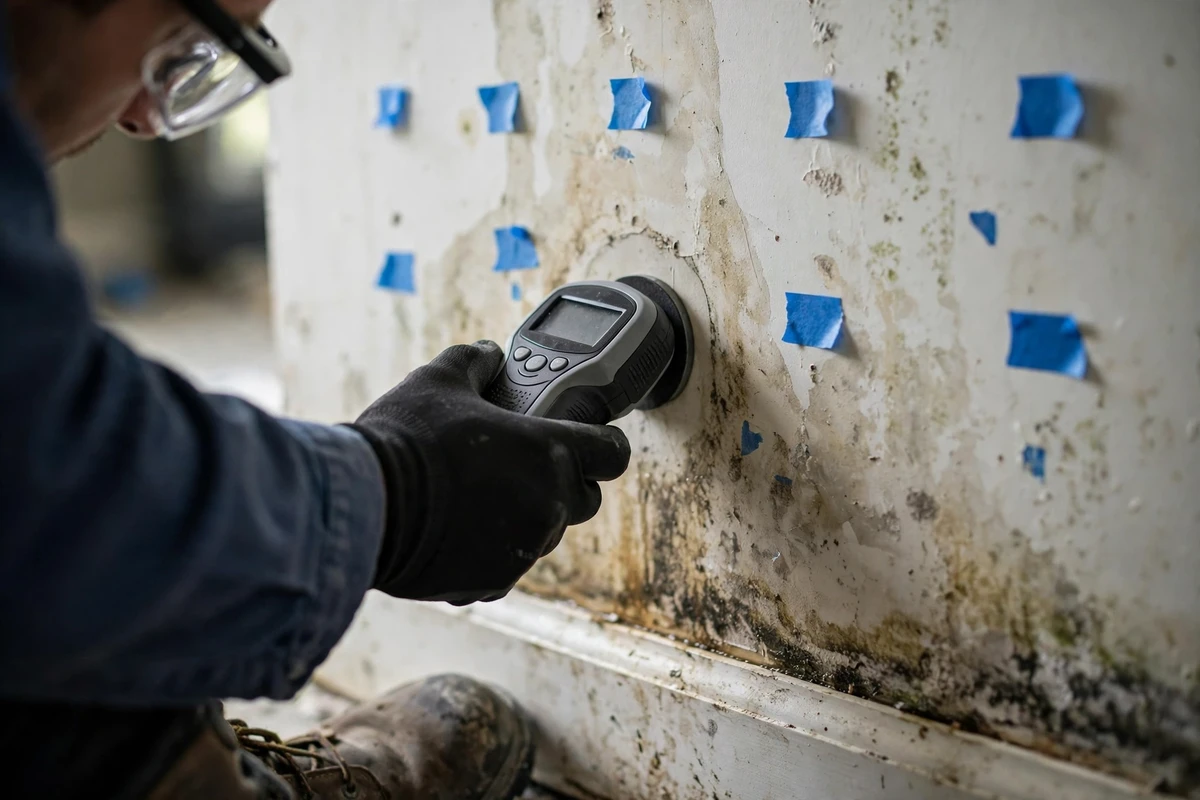
Standing Water Removal in Deer Park
The first goal after a flood or leak is to stop the source and get standing water out as fast as possible. Restoration crews use submersible pumps for deep water and truck-mounted or portable extractors for carpet and pad, which remove far more water than wet vacs or fans. Every hour water sits in a home, it wicks further up drywall and into subfloors, so extraction is usually done the same day the damage is found.
Given local conditions in central Suffolk County, this is one of the more common requests in Deer Park.
- Water from an appliance, pipe or water heater failure
- A finished basement that has flooded
- Water that has spread under walls into other rooms
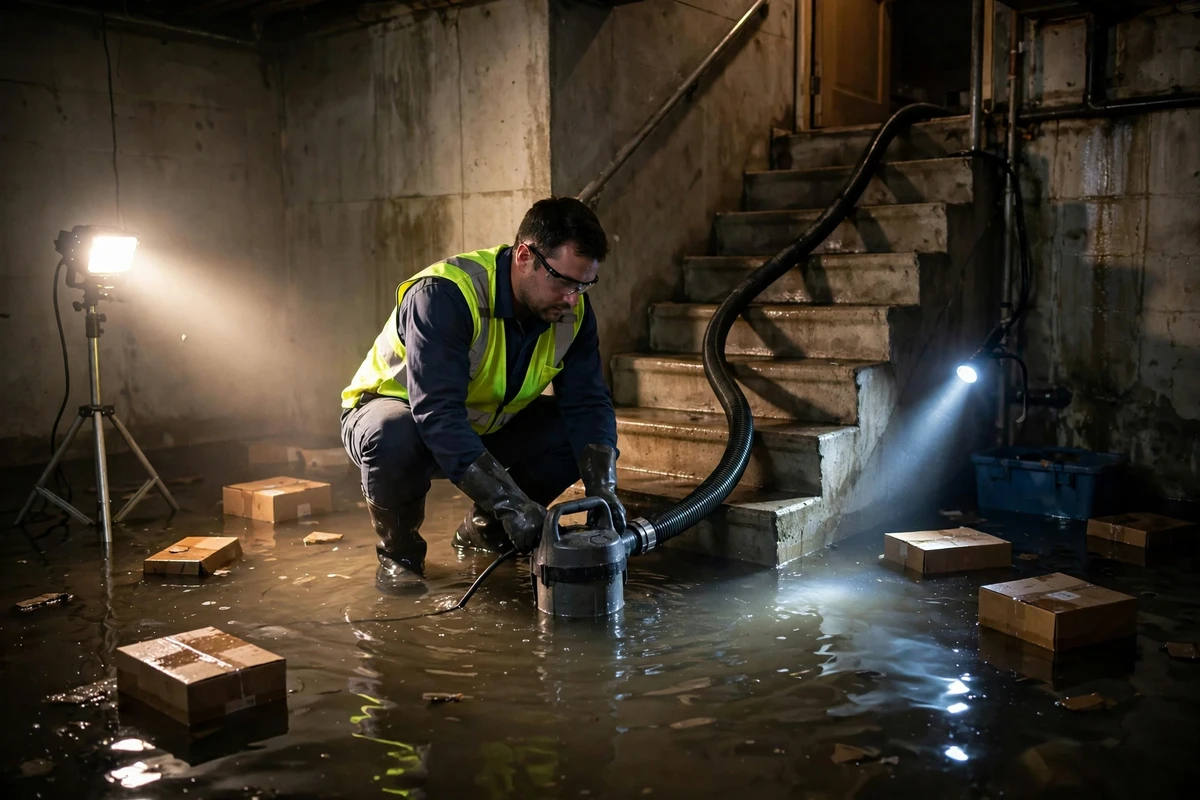
Structural Drying and Dehumidification in Deer Park
Removing visible water is only the start. Drywall, framing, subfloors and concrete absorb water and can stay wet for weeks without professional drying. Restoration crews set up air movers to move air across wet surfaces and commercial dehumidifiers to pull moisture out of the air, and they measure moisture in materials each day until readings return to normal. Drying usually takes three to five days, depending on materials and conditions.
For Deer Park homes, this is often one of the first things a pro will look at.
- High humidity in the affected area
- Peeling paint or bubbling wall surfaces
- Musty smell a few days after a leak
Mold Remediation After Water Damage in Deer Park
Mold can begin to grow on wet materials within 24 to 48 hours, which is why fast drying matters so much. Once mold is established, remediation involves containing the area with plastic sheeting and negative air pressure so spores don't spread, removing moldy porous materials, cleaning surfaces with HEPA vacuums and antimicrobial treatment, and drying the area thoroughly. The moisture source has to be fixed, or the mold will return.
- Allergy symptoms that worsen at home
- Water damage that wasn't dried within two days
- Discolored drywall or baseboards
Sewage Backup Cleanup in Deer Park
Sewage contains bacteria, viruses and other pathogens, and it's classified as Category 3 or black water. Cleanup should be done by trained technicians with protective equipment. Contaminated porous materials such as carpet, pad, drywall and insulation are removed and disposed of, and hard surfaces are cleaned and treated with antimicrobial products before drying. Children, pets and anyone with health concerns should stay out of the area.
- Dark, foul-smelling water in the basement
- Gurgling drains
- Sewage coming up through floor drains, toilets or tubs
Ceiling Water Damage Repair in Deer Park
Drywall that has been soaked, stained or softened usually needs to be cut out and replaced once the framing is dry. Painting over a water stain without fixing the source and drying the cavity can trap moisture and hide mold. Leaks from upper-floor bathrooms often come from failed grout, caulk or shower pans.
- Soft or crumbling drywall
- Peeling paint or bubbling on ceilings
- Water dripping from light fixtures
Other Water Damage Services
Pros serving Deer Park also handle storm and roof leak water damage, basement flood cleanup, contents cleaning and insurance documentation. These come up less often locally but follow the same approach: find the source, then fix it.
Before You Call: What to Check
- Shut off the water at the main valve if a pipe or fixture is leaking.
- Move valuables and documents to a dry area.
- Photograph damage before moving items.
- Turn off power to wet areas only if you can do it without standing in water.
How Local Pros Typically Handle the Job
- Emergency response. First, the water source is shut off, the area is made safe and standing water is removed.
- Assessment. Moisture meters and thermal cameras map how far the water spread, and the water category is determined.
- Removal and drying. Wet materials that can't be saved come out, and drying equipment runs with daily moisture checks.
- Documentation and repair. Photos, readings and item lists are compiled for insurance, and repairs can begin once dry.
Deer Park Water Damage FAQ
Is flood water treated differently from a burst pipe in Deer Park?
Yes. Water from a supply line is clean water and can often be dried in place if handled quickly. Flood water and sewage are contaminated, so porous materials they touched are usually removed. Insurance coverage also differs by source.
Can I clean up water damage in my Deer Park home myself?
Small spills of clean water that are dried within a day can often be handled with fans and a dehumidifier. Larger leaks, water inside walls or under floors, flood water and sewage should be handled by professionals with extraction and drying equipment. Finished basements hide moisture in carpet pad and wall cavities, so moisture readings matter.
Does homeowners insurance cover water damage in Deer Park?
It depends on the source. Sudden leaks from pipes and appliances are commonly covered; surface flooding needs flood insurance; sewer backups often need a separate rider; slow, long-term leaks are frequently excluded. Check your policy and call your insurer early.
Dawn Waterproofing connects homeowners with independent local service providers and does not perform the work. Availability, licensing, pricing and scheduling are set by the provider you speak with.