Local Water Damage Risks in Central Bridge
North Blenheim's historic covered bridge was swept away in that flood, and Middleburgh and other valley communities saw widespread basement and first-floor flooding. Housing is mostly older farmhouses, village homes and mid-century houses, many on stone or block foundations.
Winters bring deep frost and heavy snow, and spring melt can raise both groundwater and the creek. Valley floors have deep silty soils near the creek, while surrounding hills have thin soils over shale and limestone.
What that means for water damage in practice: Mold can develop quickly after flooding if materials are not dried. Creek flooding brings silt and contaminated water that needs thorough cleanup and drying.
This page covers Central Bridge, ZIP code 12035. Know your flood zone and keep valuables and important papers off the basement floor.
Water Damage Cleanup Services for Central Bridge Homes
These are the services that matter most given local conditions in the Schoharie Valley and surrounding hills, listed with the warning signs to look for in a Central Bridge home.
Basement Flood Cleanup in Central Bridge
Cleaning up a flooded basement means more than pumping out water. Mud and debris need to be removed, wet porous materials taken out, surfaces cleaned and disinfected, and the space dried with professional equipment. Drywall is commonly cut a foot or two above the water line so the wall cavity can dry. Furnaces, water heaters and electrical equipment that sat in water should be checked by qualified technicians before they're used again.
For Central Bridge homes, this is often one of the first things a pro will look at.
- Standing water in the basement
- Soaked carpet, drywall or stored items
- Water entering through walls or the floor
Emergency Water Extraction in Central Bridge
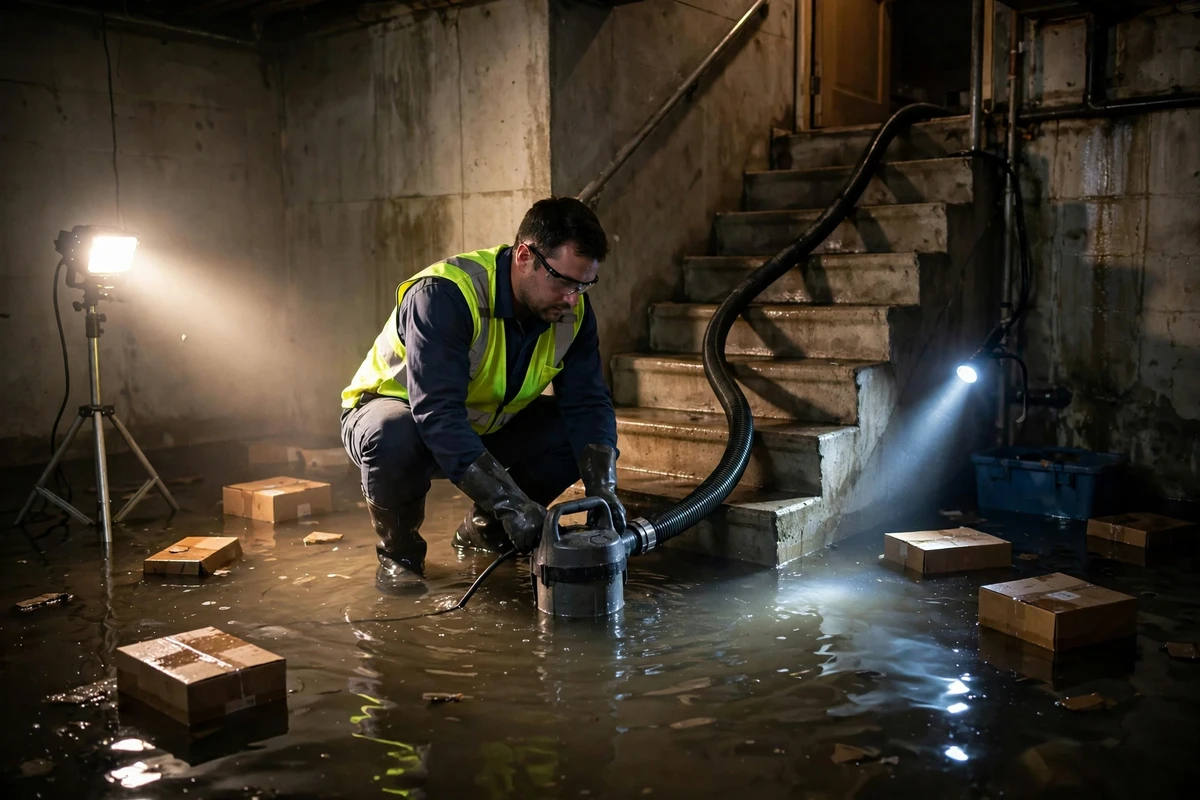
The first goal after a flood or leak is to stop the source and get standing water out as fast as possible. Restoration crews use submersible pumps for deep water and truck-mounted or portable extractors for carpet and pad, which remove far more water than wet vacs or fans. Every hour water sits in a home, it wicks further up drywall and into subfloors, so extraction is usually done the same day the damage is found.
For Central Bridge homes, this is often one of the first things a pro will look at.
- Water from an appliance, pipe or water heater failure
- Soaked carpet and pad
- Water that has spread under walls into other rooms
Structural Drying and Dehumidification in Central Bridge
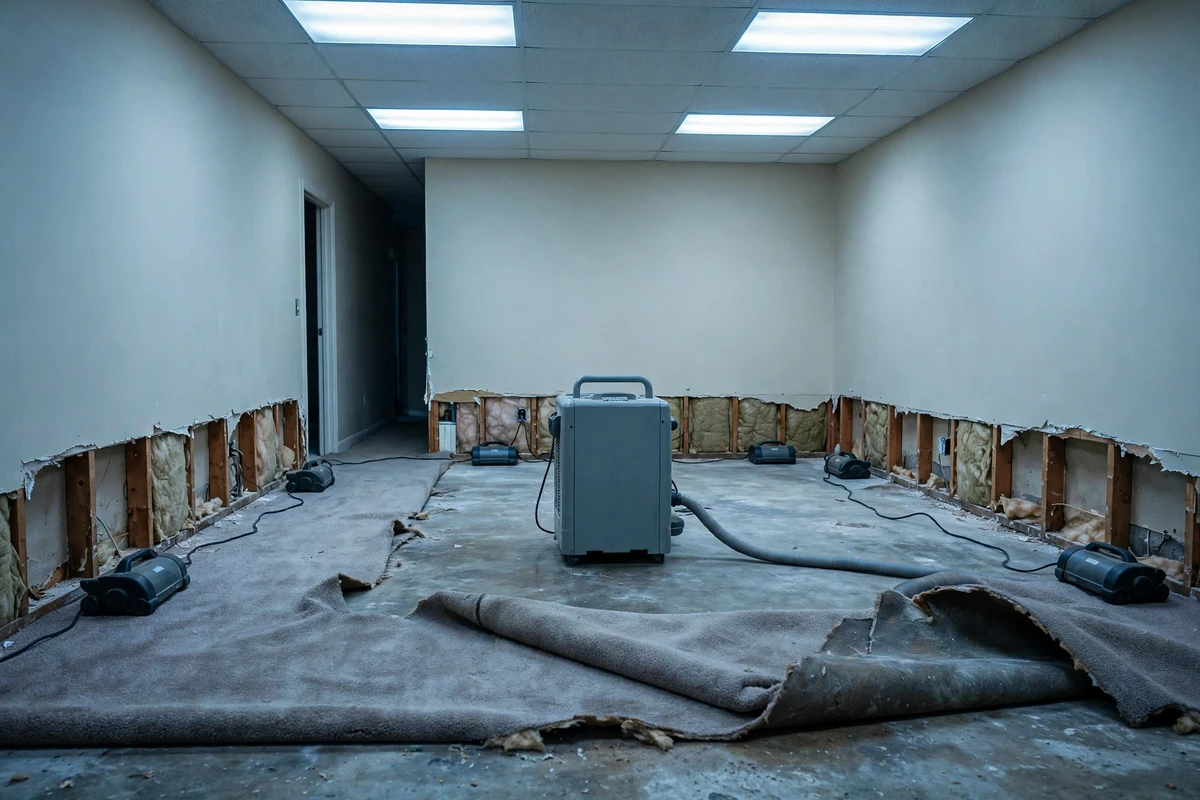
Drying a house is a measured process. Air movers push dry air across wet surfaces, commercial dehumidifiers pull the moisture out of the air, and technicians check moisture levels in walls, floors and framing each day. Equipment is moved or removed as areas dry. When drying is documented this way, you and your insurer have a record showing the structure is dry before walls are closed up and floors are replaced.
Given local conditions in the Schoharie Valley and surrounding hills, this is one of the more common requests in Central Bridge.
- Damp drywall or baseboards after the water is gone
- Peeling paint or bubbling wall surfaces
- Musty smell a few days after a leak
Mold Prevention After a Leak in Central Bridge
Mold needs moisture, and water damage supplies it. If materials stay wet for more than a day or two, mold can begin growing on drywall, wood and carpet backing. Professional remediation contains the work area to keep spores from spreading, removes affected porous materials, cleans surfaces with HEPA vacuums and antimicrobial products, and dries the space. Under New York State law, projects larger than 10 square feet must be handled by licensed mold professionals.
- Visible mold on walls, ceilings or stored items
- Mold after a flood or sewage backup
- Allergy symptoms that worsen at home
Frozen Pipe Water Damage Repair in Central Bridge
Burst pipes cause some of the most sudden water damage a house can have. A small split can release hundreds of gallons in a few hours, and the water often travels inside walls and ceilings before it's seen. Shut off the main valve, open faucets to drain the system, and turn off power to wet areas if it's safe. After the cleanup, take a hard look at why the pipe froze: missing insulation, drafts or a cold cabinet on an exterior wall.
- Frost on exposed pipes
- Bulging or wet drywall near a pipe
- Water spraying or dripping from a pipe
Water Damage Documentation and Contents in Central Bridge
Your belongings matter as much as the structure. Restoration crews can move and protect furniture, pack out items for cleaning or drying, and keep an inventory of what's damaged. Photos, moisture logs and item lists make insurance claims smoother. Before throwing anything away, check with your adjuster, keep receipts for emergency expenses, and ask whether the policy covers temporary housing if you need to move out during repairs.
- Damaged furniture, rugs or belongings
- Uncertainty about what your policy covers
- Documents and photos that got wet
Other Water Damage Services
Pros serving Central Bridge also handle storm and roof leak water damage, ceiling and drywall water damage, sewage backup cleanup. These come up less often locally but follow the same approach: find the source, then fix it.
Before You Call: What to Check
- Turn off power to wet areas only if you can do it without standing in water.
- Shut off the water at the main valve if a pipe or fixture is leaking.
- Move valuables and documents to a dry area.
- Photograph damage before moving items.
How Local Pros Typically Handle the Job
- Emergency response. First, the water source is shut off, the area is made safe and standing water is removed.
- Assessment. Technicians trace where water traveled inside walls and floors and classify how contaminated it is.
- Removal and drying. Unsalvageable materials are removed, and air movers and dehumidifiers dry the structure with daily readings.
- Documentation and repair. You get documentation for your insurer, and rebuilding starts once materials are confirmed dry.
Central Bridge Water Damage FAQ
Does homeowners insurance cover water damage in Central Bridge?
It depends on the source. Sudden leaks from pipes and appliances are commonly covered; surface flooding needs flood insurance; sewer backups often need a separate rider; slow, long-term leaks are frequently excluded. Check your policy and call your insurer early.
Can I clean up water damage in my Central Bridge home myself?
Small spills of clean water that are dried within a day can often be handled with fans and a dehumidifier. Larger leaks, water inside walls or under floors, flood water and sewage should be handled by professionals with extraction and drying equipment. Frozen pipes are a winter risk in rural homes.
How do I know if water got inside my walls in Central Bridge?
Look for stains, bubbling paint, soft drywall and swollen baseboards, and notice musty smells. Moisture meters and thermal cameras show where water spread behind surfaces.
Dawn Waterproofing connects homeowners with independent local service providers and does not perform the work. Availability, licensing, pricing and scheduling are set by the provider you speak with.