Common Causes of Water Damage in Bethpage
Where the water table rises in a wet spring, basements that stay dry for years can suddenly seep at the floor-wall joint. Dense neighborhoods with mature street trees mean clogged gutters and root intrusion into older sewer laterals are frequent sources of water trouble.
Much of the housing went up in the postwar boom of the late 1940s through the 1960s, so many homes are now 60 to 75 years old, with original drain lines, water heaters near the end of their life, and basements that were never waterproofed. Small, flat lots with little grade make it easy for downspout water to collect right at the foundation.
What that means for water damage in practice: A finished basement holds water in carpet pad and drywall, so extraction and drying should start the same day. Failed water heaters and washing-machine hoses are some of the most common indoor water damage sources in homes of this age.
This page covers Bethpage, ZIP code 11714. If your water heater is more than 10 to 12 years old, check the base for rust and moisture; that's a common source of sudden basement flooding.
Water Damage Restoration Services in Bethpage
These are the services that matter most given local conditions in central Nassau County, listed with the warning signs to look for in a Bethpage home.
Burst Pipe Water Damage Cleanup in Bethpage
Burst pipes cause some of the most sudden water damage a house can have. A small split can release hundreds of gallons in a few hours, and the water often travels inside walls and ceilings before it's seen. Shut off the main valve, open faucets to drain the system, and turn off power to wet areas if it's safe. After the cleanup, take a hard look at why the pipe froze: missing insulation, drafts or a cold cabinet on an exterior wall.
Given local conditions in central Nassau County, this is one of the more common requests in Bethpage.
- Water spraying or dripping from a pipe
- Frost on exposed pipes
- Bulging or wet drywall near a pipe
Emergency Water Extraction in Bethpage
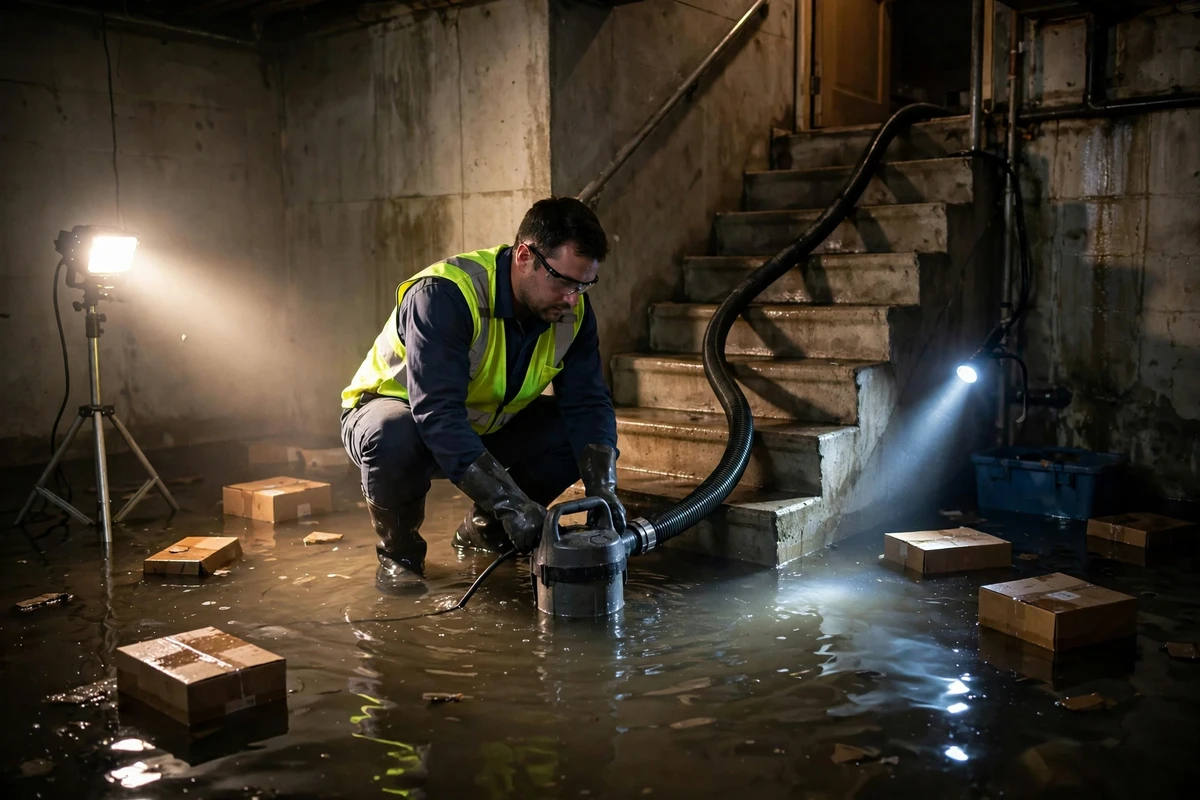
Getting the water out is the step that determines how much can be saved. Pumps handle standing water, and powerful extraction wands pull water out of carpet and padding far better than household equipment. Crews also check for water hiding under flooring, in wall cavities and below cabinets. The faster this happens, the less water soaks into drywall, framing and subfloors, which keeps drying time and repair costs down.
For Bethpage homes, this is often one of the first things a pro will look at.
- Water from an appliance, pipe or water heater failure
- Soaked carpet and pad
- Storm or groundwater flooding
Water Damage Drying in Bethpage
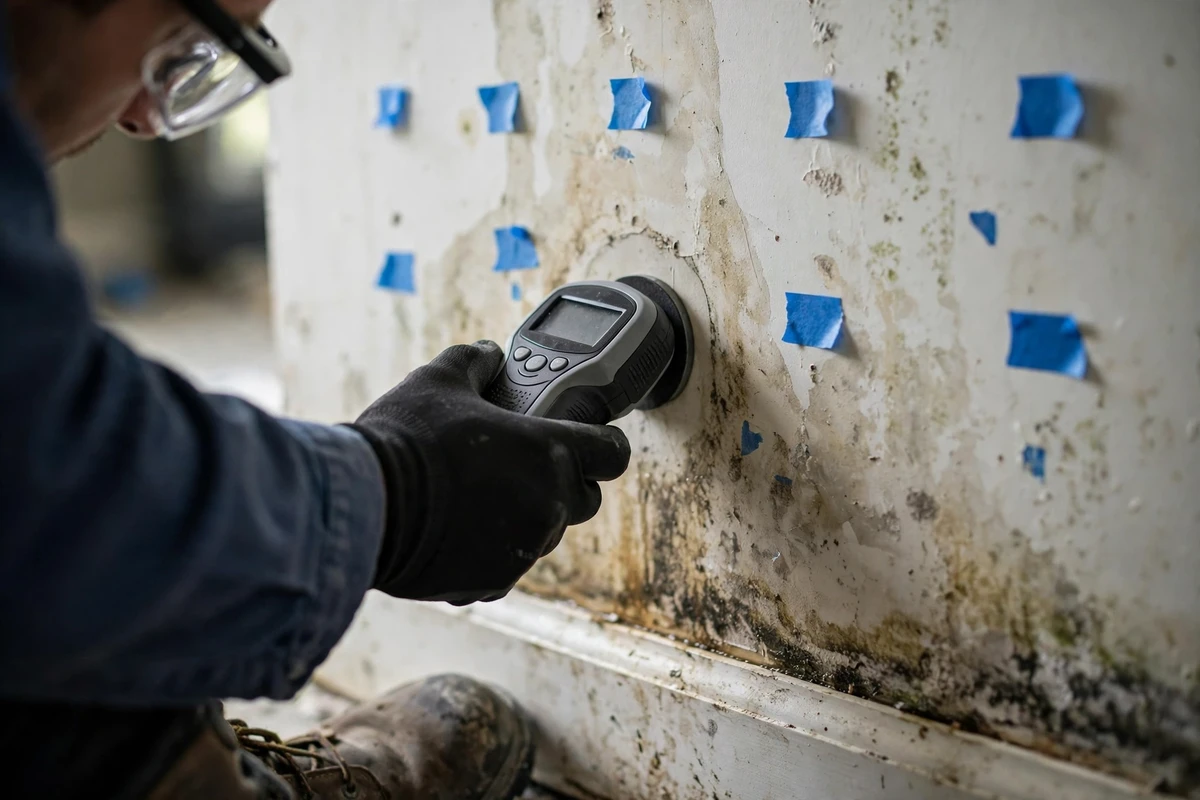
Moisture meters and thermal cameras show where water has traveled, which is often farther than the stain you can see. Drying should be documented with daily readings so you and your insurer can see the progress. Materials that can't be dried, such as soaked insulation and swollen particleboard, are removed rather than left to grow mold.
In Bethpage, this ranks among the most frequent reasons homeowners call.
- Musty smell a few days after a leak
- Wet insulation behind walls
- Swollen or cupping wood flooring
Sewage Backup Cleanup in Bethpage
A sewage backup is a health hazard, not just a mess. The water carries bacteria and viruses, so trained crews wear protective gear, remove contaminated porous materials such as carpet, padding and the lower part of drywall, clean and disinfect every hard surface, and dry the area thoroughly. Afterward, a camera inspection of the sewer line can show whether roots, grease or a broken pipe caused the backup, and whether a backwater valve makes sense.
- Multiple fixtures backing up at once
- Backups during heavy rain
- Strong sewage odor
Mold Prevention After a Leak in Bethpage
Mold can begin to grow on wet materials within 24 to 48 hours, which is why fast drying matters so much. Once mold is established, remediation involves containing the area with plastic sheeting and negative air pressure so spores don't spread, removing moldy porous materials, cleaning surfaces with HEPA vacuums and antimicrobial treatment, and drying the area thoroughly. The moisture source has to be fixed, or the mold will return.
- Discolored drywall or baseboards
- Water damage that wasn't dried within two days
- Mold after a flood or sewage backup
Ceiling Water Damage Repair in Bethpage
Water stains on a ceiling usually come from a roof leak, an ice dam, a leaking shower or toilet above, or condensation from ducts and pipes. A sagging or bulging ceiling may be holding water and can collapse, so stay out from under it and, if it's safe, puncture a small hole to drain it into a bucket. Thermal cameras and moisture meters help find how far the water has spread before ceilings are opened.
- Sagging or bulging ceiling drywall
- Brown or yellow stains on ceilings
- Soft or crumbling drywall
Other Water Damage Services
Pros serving Bethpage also handle basement flood cleanup, storm and roof leak water damage, contents cleaning and insurance documentation. These come up less often locally but follow the same approach: find the source, then fix it.
Before You Call: What to Check
- Call your insurance company to start a claim.
- Turn off power to wet areas only if you can do it without standing in water.
- Move valuables and documents to a dry area.
- Shut off the water at the main valve if a pipe or fixture is leaking.
How Local Pros Typically Handle the Job
- Emergency response. First, the water source is shut off, the area is made safe and standing water is removed.
- Assessment. Moisture meters and thermal cameras map how far the water spread, and the water category is determined.
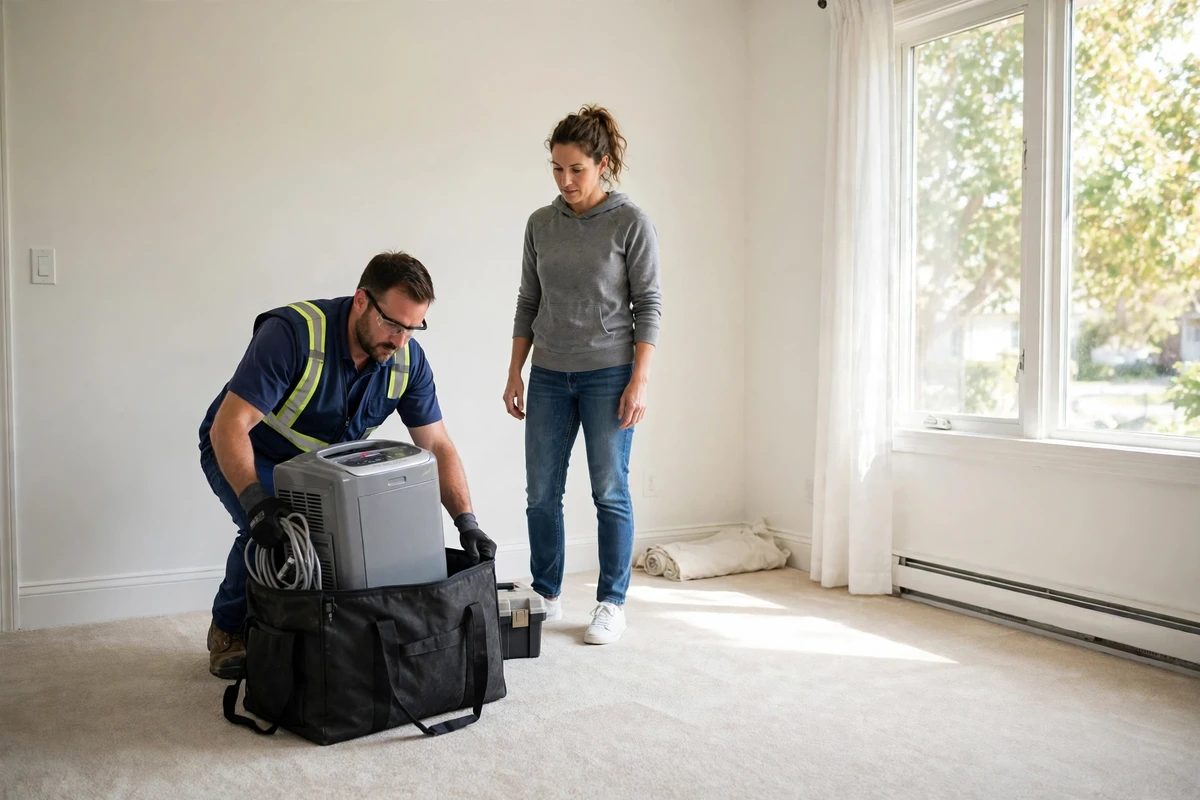
- Removal and drying. Unsalvageable materials are removed, and air movers and dehumidifiers dry the structure with daily readings.
- Documentation and repair. Photos, readings and item lists are compiled for insurance, and repairs can begin once dry.
Bethpage Water Damage FAQ
What should I do first after water damage in Bethpage?
Stop the water at the main shut-off if it's a plumbing leak, make the area safe, photograph the damage and call your insurer. Extraction and drying should start as soon as possible, because mold can begin within 24 to 48 hours. Sewer backups through a basement drain are often traced to roots in the lateral.
How do I know if water got inside my walls in Bethpage?
Look for stains, bubbling paint, soft drywall and swollen baseboards, and notice musty smells. Moisture meters and thermal cameras show where water spread behind surfaces.
How long does it take to dry a Bethpage home after water damage?
Structural drying commonly takes three to five days, depending on how much water there was, the materials affected and the weather. Daily moisture readings show when materials are dry.
Dawn Waterproofing connects homeowners with independent local service providers and does not perform the work. Availability, licensing, pricing and scheduling are set by the provider you speak with.