Local Conditions That Affect Foundation Repair in Williston Park
Much of the housing went up in the postwar boom of the late 1940s through the 1960s, so many homes are now 60 to 75 years old, with original drain lines, water heaters near the end of their life, and basements that were never waterproofed. Where the water table rises in a wet spring, basements that stay dry for years can suddenly seep at the floor-wall joint.
Small, flat lots with little grade make it easy for downspout water to collect right at the foundation. Central Nassau sits on the Hempstead Plain and the outwash plain south of the moraine: flat, sandy ground that drains quickly in most places.
What that means for foundation repair in practice: Hairline shrinkage cracks are normal; cracks that widen, offset or let water in should be looked at. Common foundation issues here are cracks in older block walls and settlement where additions meet the original house.
This page covers Williston Park, ZIP code 11596. If your water heater is more than 10 to 12 years old, check the base for rust and moisture; that's a common source of sudden basement flooding.
Foundation Repair Services Available in Williston Park
Start with the first few sections: they cover the problems most often reported around Williston Park. Each includes what the work involves and the signs to watch for.
Foundation Crack Injection in Williston Park
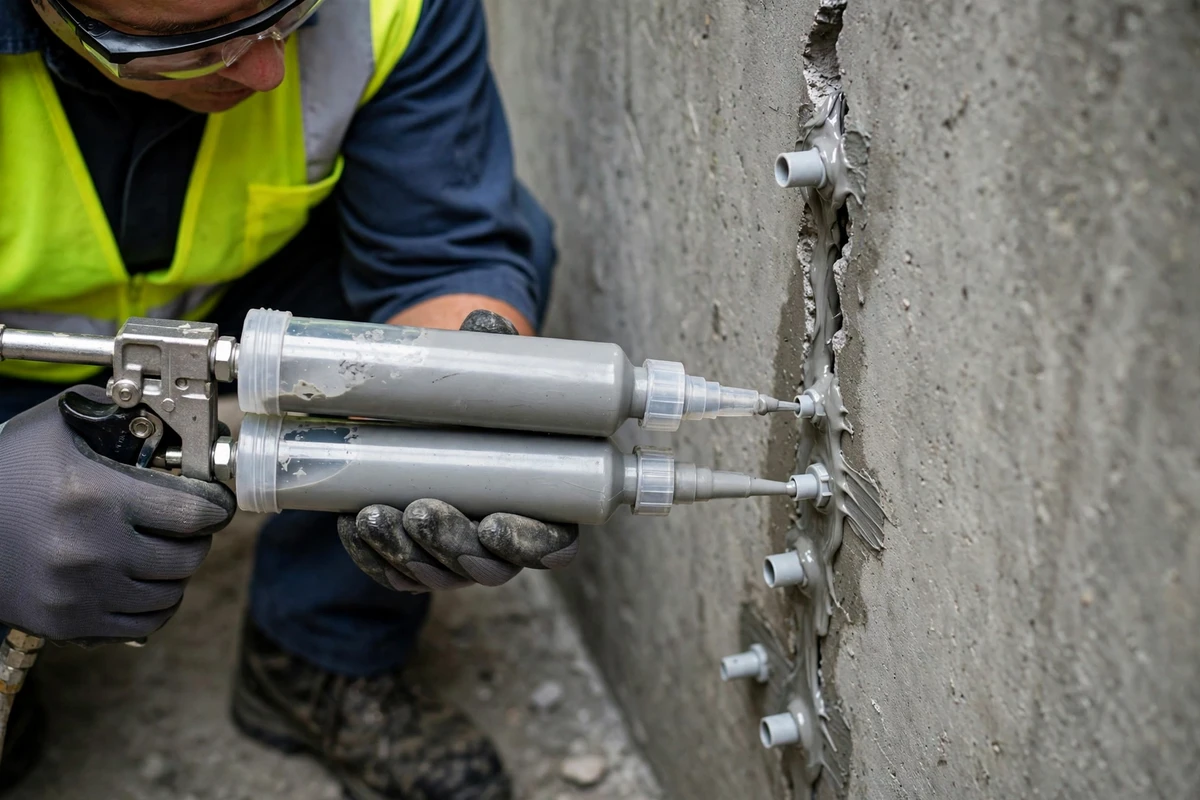
The direction and shape of a crack say a lot. Vertical hairline cracks in poured concrete are usually shrinkage. A crack wider at the top than the bottom suggests settlement at one end; a horizontal crack suggests soil pressing on the wall. Repair options run from flexible polyurethane injection for leaks to epoxy injection that bonds the concrete, combined where needed with reinforcement such as carbon fiber or steel to keep the crack from reopening.
For Williston Park homes, this is often one of the first things a pro will look at.
- One side of a crack offset from the other
- Cracks that have grown since you first noticed them
- Cracks wider than about 1/4 inch
Foundation Inspection in Williston Park
A thorough foundation inspection looks at the whole house, not just the crack that worried you. Expect the inspector to walk the exterior for grading and drainage problems, check the basement or crawl space for wall movement and moisture, measure floors for slope, and note doors, windows and drywall cracks upstairs. Together those observations show whether the house is settling, being pushed by soil, or simply showing normal cosmetic cracking.
In Williston Park, this ranks among the most frequent reasons homeowners call.
- Sloping or bouncy floors
- Chimney leaning away from the house
- Cracks in the foundation wider than about 1/4 inch

Foundation Settlement Repair for Williston Park Homes
Settlement happens when the soil under part of a footing compresses, washes out or shrinks, and that section of the house drops. Common causes include fill that was never properly compacted, soil softened by poor drainage or a leaking pipe, tree roots drawing moisture from clay, and additions built on shallower footings than the original house. The repair usually involves stabilizing the footing on firmer soil or bedrock with piers.
Given local conditions in central Nassau County, this is one of the more common requests in Williston Park.
- Brick separating from window frames
- A gap where an addition meets the house
- Cracks wider at the top than at the bottom
Concrete Slab Leveling in Williston Park
A slab that sinks toward the house is a waterproofing problem as much as a trip hazard, because it channels rain straight to the foundation. Before lifting, the cause of the settlement, often water washing out soil beneath the slab, should be addressed so the slab doesn't sink again. Cracked or crumbling slabs may need replacement rather than lifting.
- Gaps between a slab and the foundation
- Cracks in a basement or garage slab
- Voids under a slab that sound hollow
Bowing Basement Wall Repair in Williston Park
A basement wall that bows or leans is being pushed by the soil outside, usually because it is saturated or freezing. The repair depends on how far it has moved: carbon fiber straps for small movement, steel beams anchored to the floor and floor framing for moderate movement, and wall anchors tied to plates in the yard when there is room outside and the wall may need to be pulled back over time. Severe movement can require excavation and rebuilding.
- Water entering along the horizontal crack
- Horizontal crack along the middle of a block wall
- Wall bowing inward or leaning at the top
Front Step and Stoop Repair in Williston Park
Porches on piers can sag as posts settle or rot. Supporting or replacing piers, posts and beams can restore level and keep the porch roof from pulling on the house. A stoop or porch that pulls away from the house also puts strain on the ledger or connection, so it's worth checking before it gets worse.
- A gap between the stoop and the house
- A porch floor that slopes or bounces
- Basement leak below the front steps
Other Foundation Repair Services
Pros serving Williston Park also handle push piers and helical piers, crawl space support and sagging floors. These come up less often locally but follow the same approach: find the source, then fix it.
Before You Call: What to Check
- Find any past inspection reports or repair records.
- Check where downspouts discharge near the foundation.
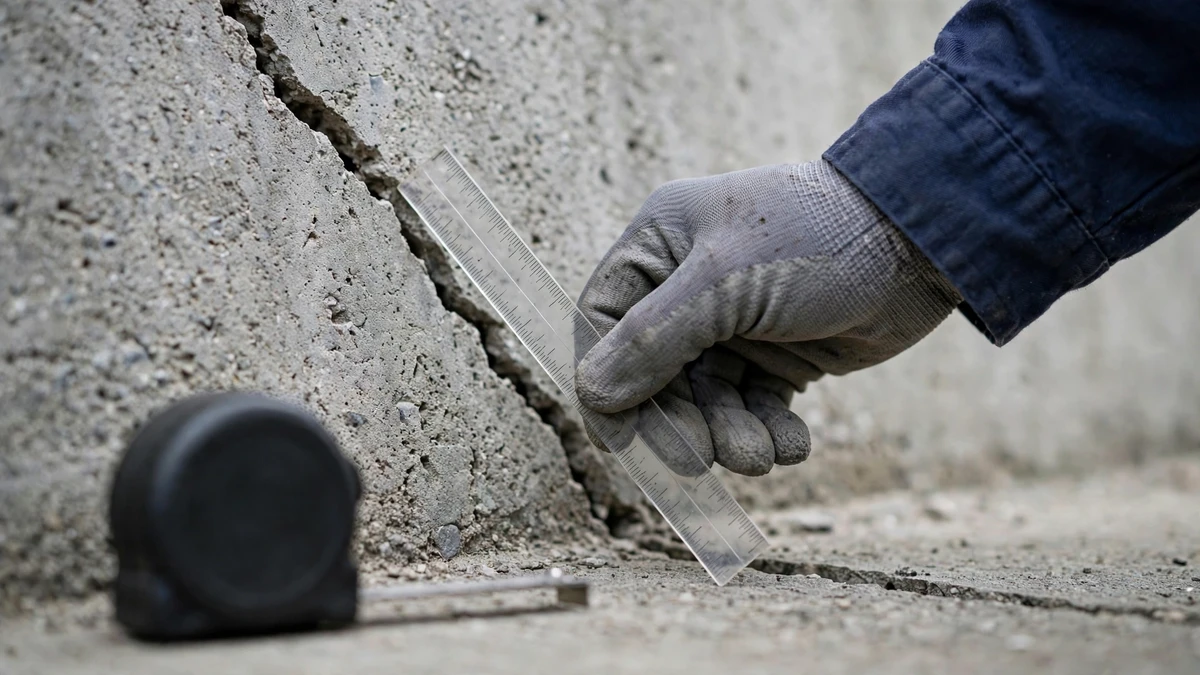
- Photograph cracks with a ruler or coin for scale, and note the date.
- Mark the ends of cracks with a pencil so you can see whether they grow.
How Local Pros Typically Handle the Job
- Evaluation. The pro measures floor levels, maps cracks and checks walls for plumb, inside and out.
- Cause. A good evaluation identifies the cause, not just the symptom, before proposing a repair.
- Repair plan. Compare written plans for method, quantities, permits and warranty terms.
- Repair and drainage. Repairs are completed and drainage issues addressed so the problem doesn't return.
Williston Park Foundation Repair FAQ
Why do doors stick in my Williston Park home?
Doors that stick or won't latch can be a sign of foundation movement, especially if cracks appear above door frames. Humidity can also swell doors, so note whether the problem comes and goes with the seasons. Concrete stoops, walks and patios that settle toward the house can direct water into the basement.
Which foundation cracks in Williston Park homes need attention?
Thin vertical cracks in poured concrete are usually shrinkage. Horizontal cracks, stair-step cracks in block or brick, cracks wider than about 1/4 inch, and cracks that keep growing or are offset should be evaluated. Concrete stoops, walks and patios that settle toward the house can direct water into the basement.
Will foundation repair in Williston Park fix the cracks in my walls?
Stabilizing the foundation stops further movement, and some piering systems can lift a house partway back. Existing drywall and plaster cracks usually need to be repaired separately once the structure is stable.
Dawn Waterproofing connects homeowners with independent local service providers and does not perform the work. Availability, licensing, pricing and scheduling are set by the provider you speak with.