
Ground, Housing and Foundation Repair in Mill Neck
Harborfront streets near Manhasset Bay, Hempstead Harbor and Oyster Bay can see tidal flooding during coastal storms. Hillside lots send runoff downhill toward foundations on the low side of the house, and the uphill wall of a basement often takes the most pressure.
Retaining walls and terraced yards are common, and when their drainage fails, water ends up against the house. The North Shore sits on the Harbor Hill moraine, the ridge of glacial debris left at the end of the last ice age, so many lots slope steeply toward the harbors and the Sound.
What that means for foundation repair in practice: Retaining walls that tilt or crack near the house deserve the same attention as the foundation itself. Hillside lots can see lateral pressure on the uphill wall, which shows as horizontal cracks or a wall leaning inward.
This page covers Mill Neck, ZIP code 11765. Each fall, clean gutters after the leaves drop, not before; mature trees on North Shore lots refill them quickly.
Foundation Repair Services Available in Mill Neck
These are the services that matter most given local conditions on Nassau County's North Shore, listed with the warning signs to look for in a Mill Neck home.
Bowing Basement Wall Repair in Mill Neck
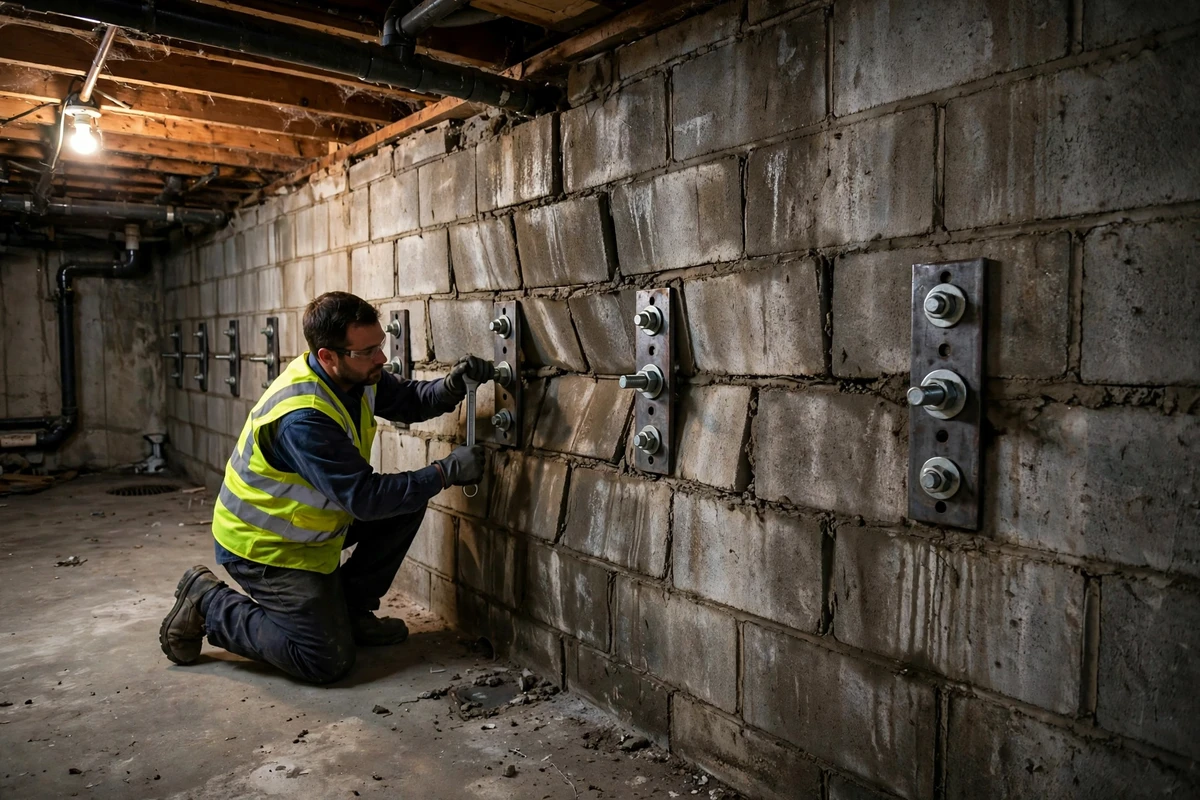
A basement wall that bows or leans is being pushed by the soil outside, usually because it is saturated or freezing. The repair depends on how far it has moved: carbon fiber straps for small movement, steel beams anchored to the floor and floor framing for moderate movement, and wall anchors tied to plates in the yard when there is room outside and the wall may need to be pulled back over time. Severe movement can require excavation and rebuilding.
In Mill Neck, this ranks among the most frequent reasons homeowners call.
- Stair-step cracks at the corners
- Mortar joints pushing in
- Wall bowing inward or leaning at the top
Foundation Assessment for Mill Neck Homes
A foundation evaluation starts with how the house is moving, not just where it's cracked. Inspectors measure floor elevations with a digital level or manometer, check walls for plumb, map cracks by width, direction and offset, and look at drainage and soil around the house. The pattern tells the story: cracks wider at the top than the bottom, doors that stick on one side of the house and floors that slope toward one corner usually point to settlement in that area.
For Mill Neck homes, this is often one of the first things a pro will look at.
- Doors and windows that stick or won't latch
- Chimney leaning away from the house
- Cracks in the foundation wider than about 1/4 inch
Foundation Crack Repair in Mill Neck
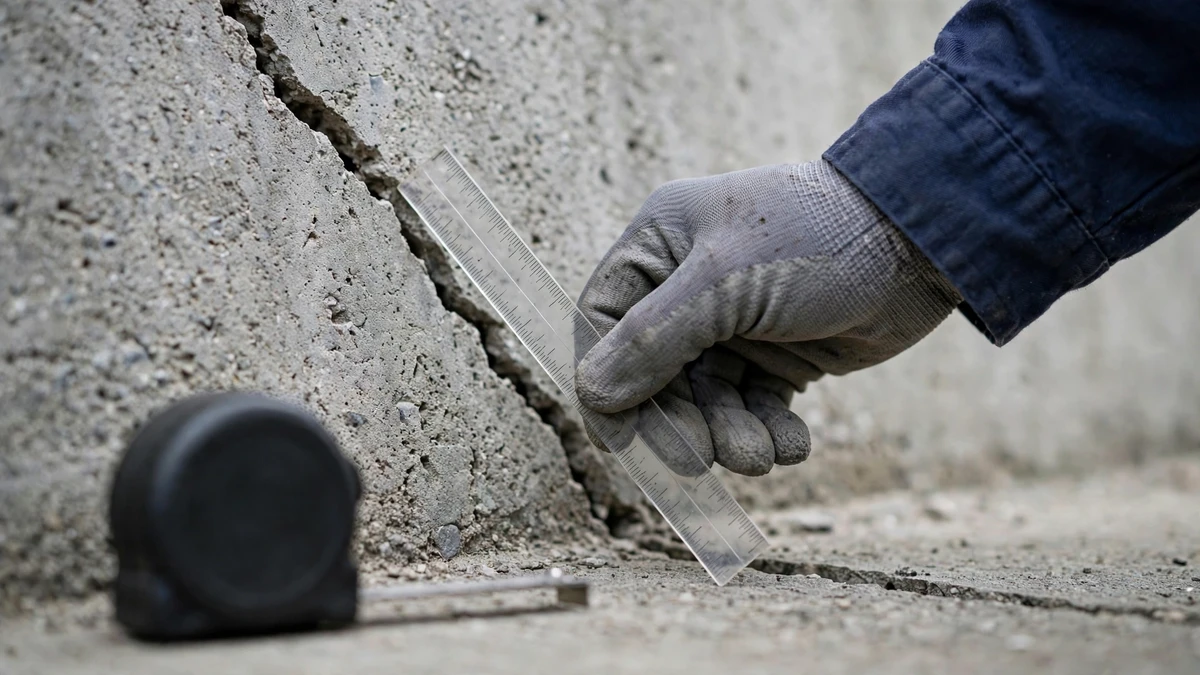
Before a crack is repaired, it's worth knowing whether it's still moving. Measuring a crack with a crack gauge and checking it again over weeks or seasons tells you whether the cause has stopped. Sealing a crack that is still opening will only hide the problem until the next crack appears, so the cause, often soil movement or water pressure, needs to be addressed first.
Given local conditions on Nassau County's North Shore, this is one of the more common requests in Mill Neck.
- Stair-step cracks in block or brick
- Cracks that have grown since you first noticed them
- One side of a crack offset from the other
Settling Foundation Repair in Mill Neck
Signs of settlement tend to cluster on one side or corner of the house: cracks that are wider at the top, doors that rub on the same side, floors that slope toward the low spot. Correcting the cause, such as a downspout dumping water at that corner or a leaking line under the house, is part of the repair, otherwise the soil may keep moving even after the footing is supported.
- Cracks wider at the top than at the bottom
- A chimney pulling away from the wall
- Floors that slope toward one corner
Push Piers and Helical Piers in Mill Neck
Pier depth and spacing depend on soil conditions and the weight of the structure. A contractor should be able to explain how deep the piers will go, what load each one is rated for, and whether any lift is expected. Lifting a house can open new cracks in drywall and affect doors and plumbing, so ask what to expect and what's included in the repair.
- An engineer's report recommending underpinning
- A corner of the house measurably lower than the rest
- Ongoing settlement that crack repair hasn't stopped
Concrete Slab Leveling in Mill Neck
A slab that sinks toward the house is a waterproofing problem as much as a trip hazard, because it channels rain straight to the foundation. Before lifting, the cause of the settlement, often water washing out soil beneath the slab, should be addressed so the slab doesn't sink again. Cracked or crumbling slabs may need replacement rather than lifting.
- Voids under a slab that sound hollow
- Water pooling on a patio or garage floor
- Gaps between a slab and the foundation
Other Foundation Repair Services
Pros serving Mill Neck also handle stoop, step and porch repair, crawl space support and sagging floors. These come up less often locally but follow the same approach: find the source, then fix it.
Before You Call: What to Check
- Mark the ends of cracks with a pencil so you can see whether they grow.
- Photograph cracks with a ruler or coin for scale, and note the date.
- Note doors and windows that stick, and where floors slope.
- Find any past inspection reports or repair records.
How Local Pros Typically Handle the Job
- Evaluation. The pro measures floor levels, maps cracks and checks walls for plumb, inside and out.
- Cause. A good evaluation identifies the cause, not just the symptom, before proposing a repair.
- Repair plan. You get a written plan with the method, number of piers or anchors, permits and price.
- Repair and drainage. Repairs are completed and drainage issues addressed so the problem doesn't return.
Mill Neck Foundation Repair FAQ
Will foundation repair in Mill Neck fix the cracks in my walls?
Stabilizing the foundation stops further movement, and some piering systems can lift a house partway back. Existing drywall and plaster cracks usually need to be repaired separately once the structure is stable.
Should I get a structural engineer in Mill Neck?
For major cracks, bowing walls, significant settlement, or when buying or selling a home, an independent engineer's report helps define the problem and makes contractor quotes easier to compare.
Which foundation cracks in Mill Neck homes need attention?
Thin vertical cracks in poured concrete are usually shrinkage. Horizontal cracks, stair-step cracks in block or brick, cracks wider than about 1/4 inch, and cracks that keep growing or are offset should be evaluated. Hillside lots can see lateral pressure on the uphill wall, which shows as horizontal cracks or a wall leaning inward.
Dawn Waterproofing connects homeowners with independent local service providers and does not perform the work. Availability, licensing, pricing and scheduling are set by the provider you speak with.