Local Conditions That Affect Foundation Repair in Lynbrook
Lynbrook is mostly mid-century homes, with some low-lying areas near ponds and streams that drain toward the bay.
Capes, ranches and high-ranches are common, and many have finished basements or lower levels that were converted after the house was built. Where the water table rises in a wet spring, basements that stay dry for years can suddenly seep at the floor-wall joint.
Central Nassau sits on the Hempstead Plain and the outwash plain south of the moraine: flat, sandy ground that drains quickly in most places. Small, flat lots with little grade make it easy for downspout water to collect right at the foundation.
What that means for foundation repair in practice: Concrete stoops, walks and patios that settle toward the house can direct water into the basement. Hairline shrinkage cracks are normal; cracks that widen, offset or let water in should be looked at.
This page covers Lynbrook, ZIP code 11563. In early spring, when the ground is saturated, check the floor-wall joint in the basement for new damp spots.
Types of Foundation Repairs for Lynbrook Homes
These are the services that matter most given local conditions in central Nassau County, listed with the warning signs to look for in a Lynbrook home.
Foundation Crack Injection in Lynbrook
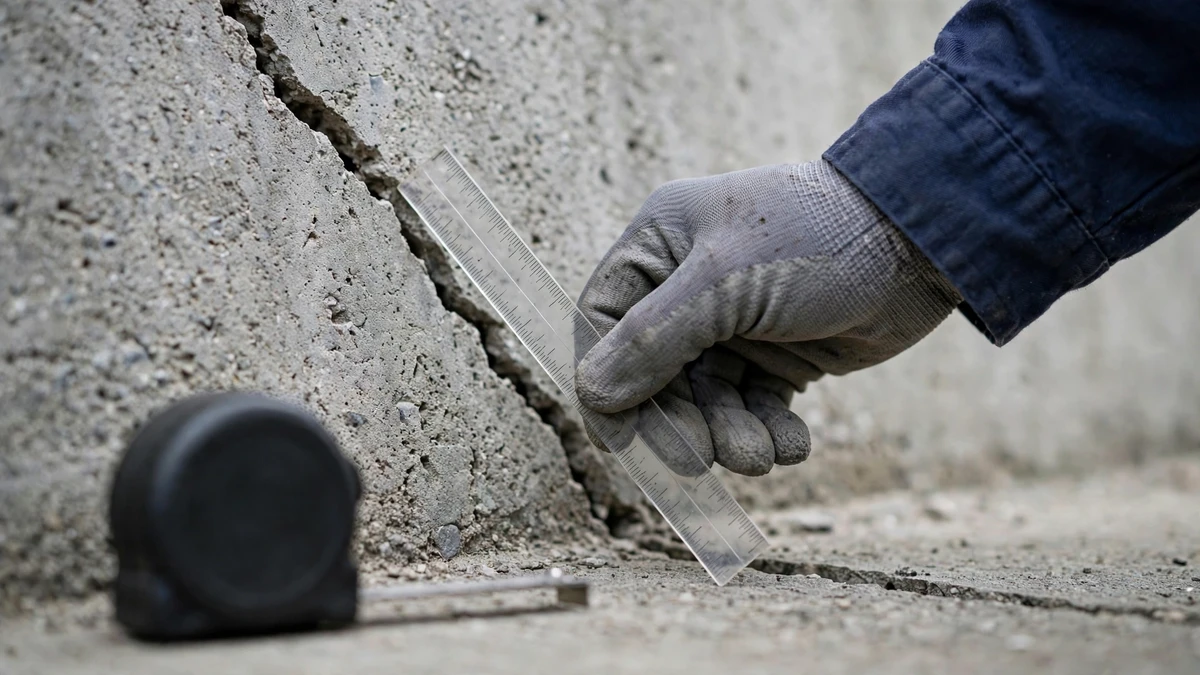
The direction and shape of a crack say a lot. Vertical hairline cracks in poured concrete are usually shrinkage. A crack wider at the top than the bottom suggests settlement at one end; a horizontal crack suggests soil pressing on the wall. Repair options run from flexible polyurethane injection for leaks to epoxy injection that bonds the concrete, combined where needed with reinforcement such as carbon fiber or steel to keep the crack from reopening.
Given local conditions in central Nassau County, this is one of the more common requests in Lynbrook.
- Cracks that have grown since you first noticed them
- One side of a crack offset from the other
- Horizontal cracks in a basement wall
Foundation Assessment for Lynbrook Homes
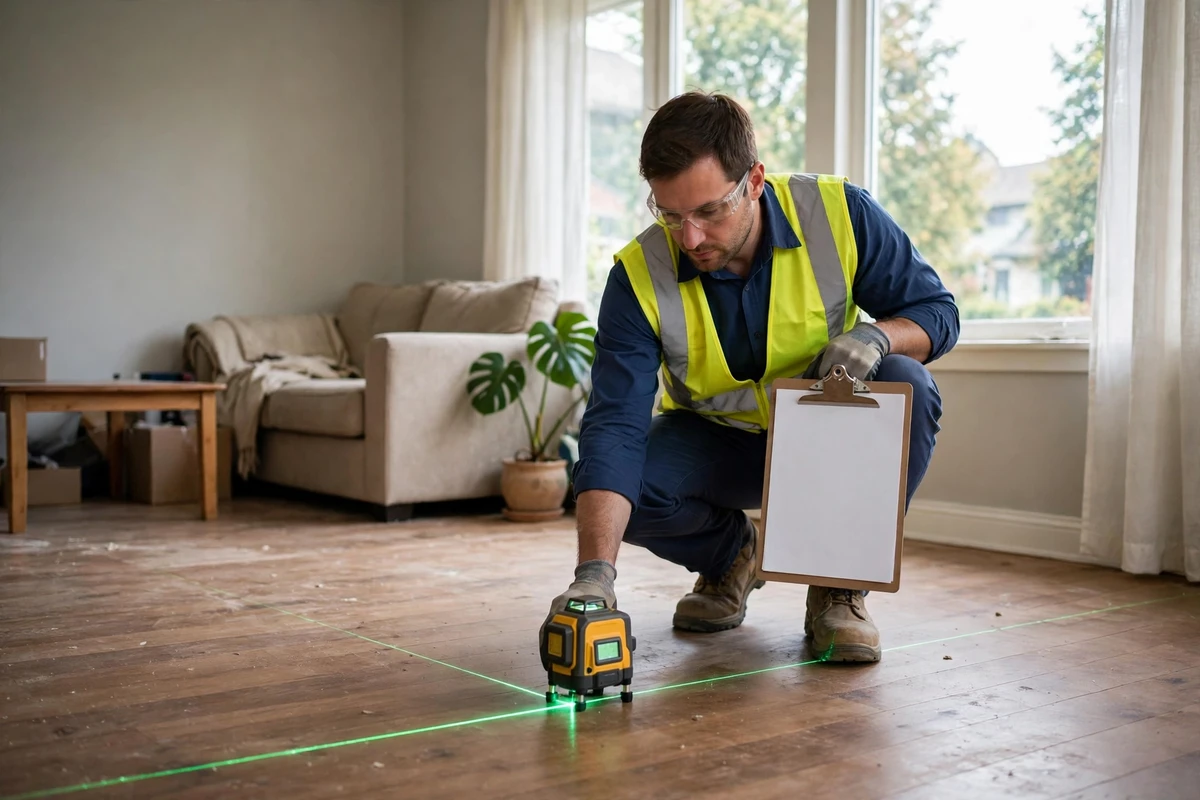
Contractors who sell repairs will often provide an evaluation, but for significant structural problems, real estate transactions or insurance claims, an independent structural engineer's report can be worth the cost. The report should explain the cause, not just the symptom, and recommend repairs. That makes it easier to compare bids, because every contractor is pricing the same scope.
Given local conditions in central Nassau County, this is one of the more common requests in Lynbrook.
- Cracks in drywall above doors and windows
- Cracks in the foundation wider than about 1/4 inch
- Chimney leaning away from the house
Settling Foundation Repair in Lynbrook
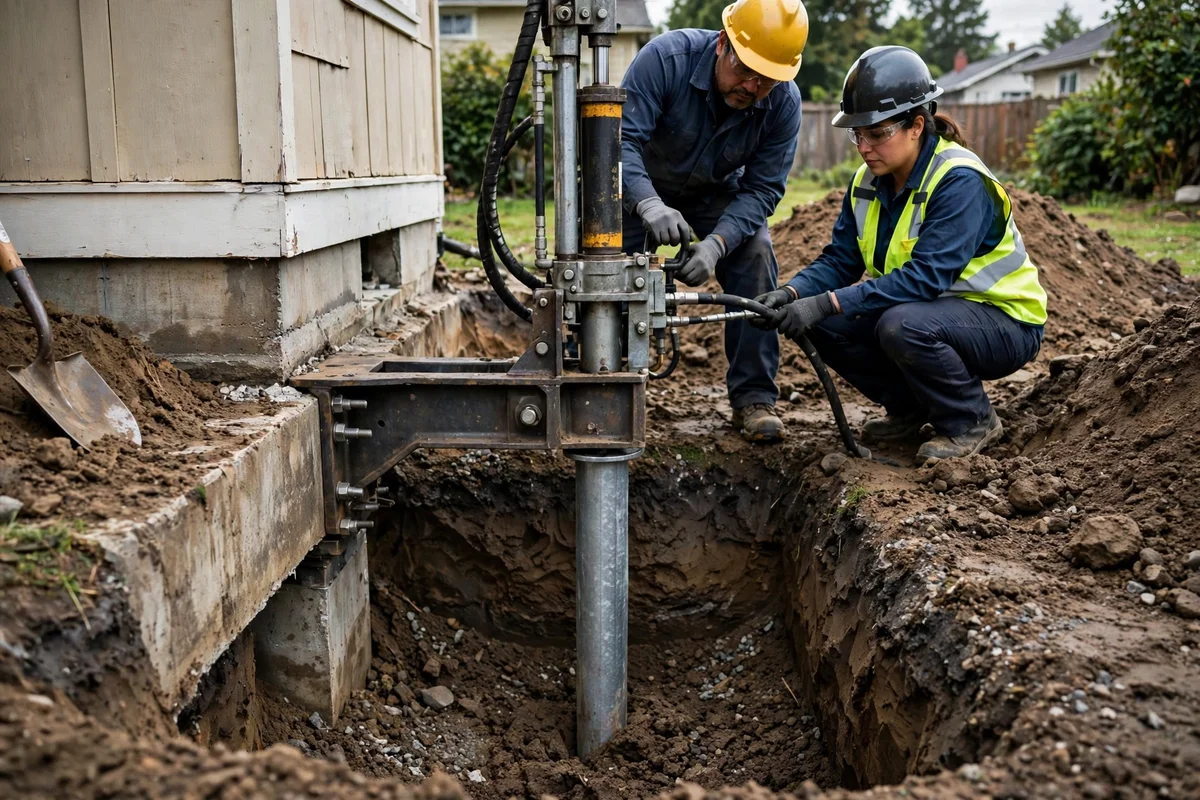
Settlement happens when the soil under part of a footing compresses, washes out or shrinks, and that section of the house drops. Common causes include fill that was never properly compacted, soil softened by poor drainage or a leaking pipe, tree roots drawing moisture from clay, and additions built on shallower footings than the original house. The repair usually involves stabilizing the footing on firmer soil or bedrock with piers.
In Lynbrook, this ranks among the most frequent reasons homeowners call.
- Doors that rub at the top on one side
- A chimney pulling away from the wall
- Floors that slope toward one corner
Concrete Slab Leveling in Lynbrook
A slab that sinks toward the house is a waterproofing problem as much as a trip hazard, because it channels rain straight to the foundation. Before lifting, the cause of the settlement, often water washing out soil beneath the slab, should be addressed so the slab doesn't sink again. Cracked or crumbling slabs may need replacement rather than lifting.
- Gaps between a slab and the foundation
- Cracks in a basement or garage slab
- Trip hazards at slab joints
Leaning Foundation Wall Repair in Lynbrook
When saturated or frozen soil pushes on a basement wall, block walls can crack horizontally and bow inward, and poured walls can tilt. Wall anchors run steel rods through the wall to plates buried in stable soil in the yard and can be tightened over time; steel I-beam braces run from the floor to the floor joists; carbon fiber straps bonded to the wall add tensile strength for walls with limited movement. The right choice depends on how far the wall has moved and how much room there is outside.
- Stair-step cracks at the corners
- Wall bowing inward or leaning at the top
- Mortar joints pushing in
Front Step and Stoop Repair in Lynbrook
Concrete stoops and steps often sit on shallower footings than the house, and frost heave or settling soil can make them tilt, crack or pull away from the foundation. The gap that opens up lets water run down the foundation wall, which is why a separated stoop often shows up as a leak in the basement below it. Repairs range from sealing the joint and lifting the stoop to supporting it with helical piers or rebuilding it on proper footings.
- A gap between the stoop and the house
- Basement leak below the front steps
- Porch columns out of plumb
Other Foundation Repair Services
Pros serving Lynbrook also handle push piers and helical piers, crawl space support and sagging floors. These come up less often locally but follow the same approach: find the source, then fix it.
Before You Call: What to Check
- Mark the ends of cracks with a pencil so you can see whether they grow.
- Photograph cracks with a ruler or coin for scale, and note the date.
- Check where downspouts discharge near the foundation.
- Find any past inspection reports or repair records.
How Local Pros Typically Handle the Job
- Evaluation. Expect a floor-level survey, crack measurements and an inspection of walls and drainage.
- Cause. A good evaluation identifies the cause, not just the symptom, before proposing a repair.
- Repair plan. You get a written plan with the method, number of piers or anchors, permits and price.
- Repair and drainage. Repairs are completed and drainage issues addressed so the problem doesn't return.
Lynbrook Foundation Repair FAQ
How long does foundation repair take in Lynbrook?
Crack injection is often finished in a day. Installing piers or wall anchors usually takes a few days, and larger jobs with excavation take longer. Permits and weather can affect timing.
Will foundation repair in Lynbrook fix the cracks in my walls?
Stabilizing the foundation stops further movement, and some piering systems can lift a house partway back. Existing drywall and plaster cracks usually need to be repaired separately once the structure is stable.
Why do doors stick in my Lynbrook home?
Doors that stick or won't latch can be a sign of foundation movement, especially if cracks appear above door frames. Humidity can also swell doors, so note whether the problem comes and goes with the seasons. Common foundation issues here are cracks in older block walls and settlement where additions meet the original house.
Dawn Waterproofing connects homeowners with independent local service providers and does not perform the work. Availability, licensing, pricing and scheduling are set by the provider you speak with.