Local Conditions That Affect Foundation Repair in Freeport
Freeport's South Shore waterfront is laced with canals, including the area around the Nautical Mile, and many low streets near the water flood during coastal storms.
The South Shore borders the bays and canals behind the barrier beaches, and its ground sits only a few feet above high tide in many places. Hurricane Sandy's surge in October 2012 flooded thousands of homes along the Nassau South Shore, and many were raised, rebuilt or retrofitted afterward.
The water table is high and responds to the tides, so basements here can take water from below as well as from the surface. Tidal flooding now happens on some low streets during full-moon high tides and coastal storms, even without heavy rain.
What that means for foundation repair in practice: Homes that were raised after Sandy should have their piers, connections and new foundations checked after major storms. Salt exposure can corrode reinforcing steel, and rust staining or spalling concrete is a warning sign.
This page covers Freeport, ZIP code 11520. Test your sump pump and its battery backup before hurricane season starts in June.
Types of Foundation Repairs for Freeport Homes
The sections below are ordered by how often each issue comes up in homes like those around Freeport. Each one explains what the work involves and the signs that suggest you may need it.
Foundation Inspection in Freeport
Contractors who sell repairs will often provide an evaluation, but for significant structural problems, real estate transactions or insurance claims, an independent structural engineer's report can be worth the cost. The report should explain the cause, not just the symptom, and recommend repairs. That makes it easier to compare bids, because every contractor is pricing the same scope.
Given local conditions on Nassau County's South Shore, this is one of the more common requests in Freeport.
- Sloping or bouncy floors
- Chimney leaning away from the house
- Doors and windows that stick or won't latch
Foundation Settlement Repair for Freeport Homes
Settlement happens when the soil under part of a footing compresses, washes out or shrinks, and that section of the house drops. Common causes include fill that was never properly compacted, soil softened by poor drainage or a leaking pipe, tree roots drawing moisture from clay, and additions built on shallower footings than the original house. The repair usually involves stabilizing the footing on firmer soil or bedrock with piers.
Given local conditions on Nassau County's South Shore, this is one of the more common requests in Freeport.
- Doors that rub at the top on one side
- Floors that slope toward one corner
- A chimney pulling away from the wall
Push Piers and Helical Piers in Freeport
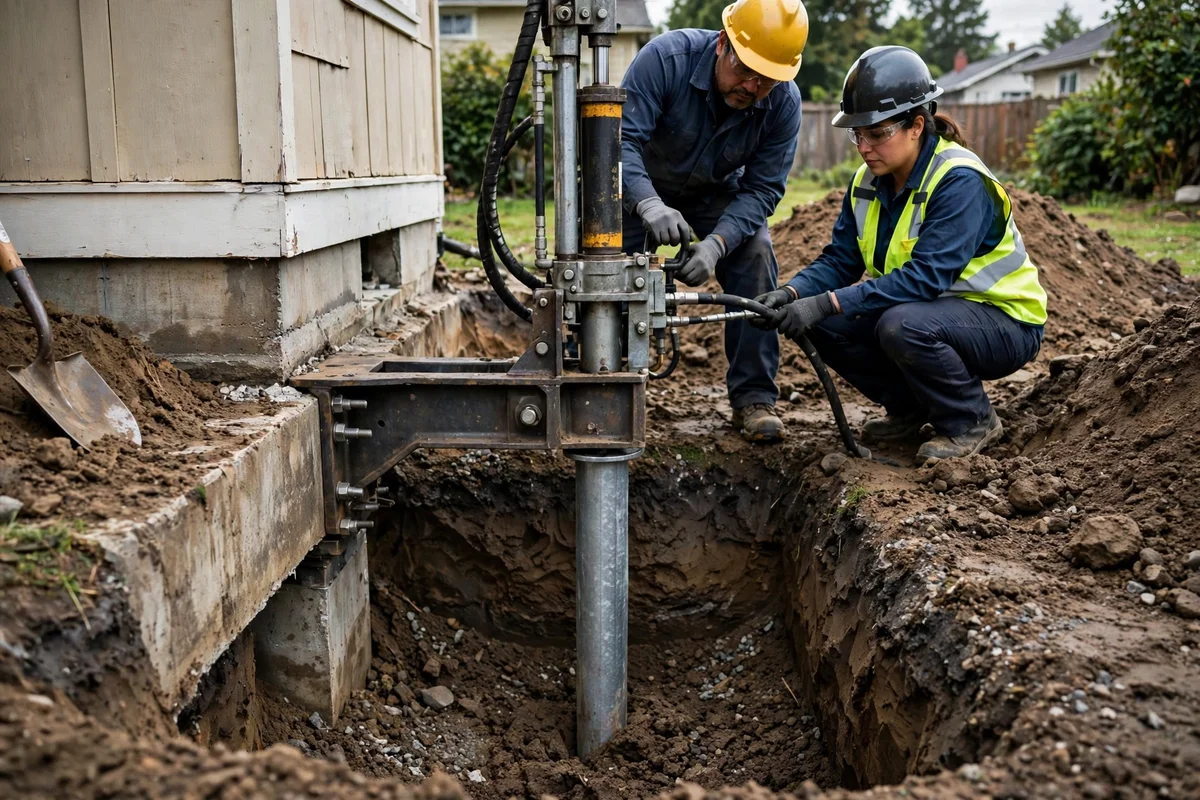
Underpinning shifts a footing's load from weak soil to a deeper layer that can carry it. Steel push piers are driven hydraulically under the footing until they hit load-bearing strata; helical piers are screwed into the ground and can be load-tested as they go in. Brackets tie the piers to the footing, and in some cases the structure can be gently raised. A contractor should tell you the expected depth, load capacity and any lifting plan before work starts.
In Freeport, this ranks among the most frequent reasons homeowners call.
- Ongoing settlement that crack repair hasn't stopped
- Footings on fill or soft soil
- A corner of the house measurably lower than the rest
Sagging Floor and Crawl Space Repair in Freeport
Sagging floors over a crawl space usually come from the framing underneath: beams that span too far, joists weakened by moisture or insects, or posts that have settled. Support jacks on new footings can carry beams at shorter spans, and damaged joists can be reinforced with new lumber alongside them. Any repair should be paired with moisture control so the framing stays dry. Raising a floor is done slowly to avoid cracking finishes above.
- Wood rot or mold on beams and joists
- Floors that slope, sag or feel bouncy
- Doors that won't close properly
Concrete Slab Leveling in Freeport
Sunken driveways, walks, patios, garage floors and basement slabs can often be lifted instead of replaced. Polyurethane foam injection pumps expanding foam through small holes drilled in the slab; it's light, cures quickly and adds little weight to soft soil. Mudjacking uses a cement-based slurry and larger holes. Either method can restore slope so water drains away from the house instead of toward it.
- Water pooling on a patio or garage floor
- Voids under a slab that sound hollow
- Cracks in a basement or garage slab
Foundation Crack Injection in Freeport
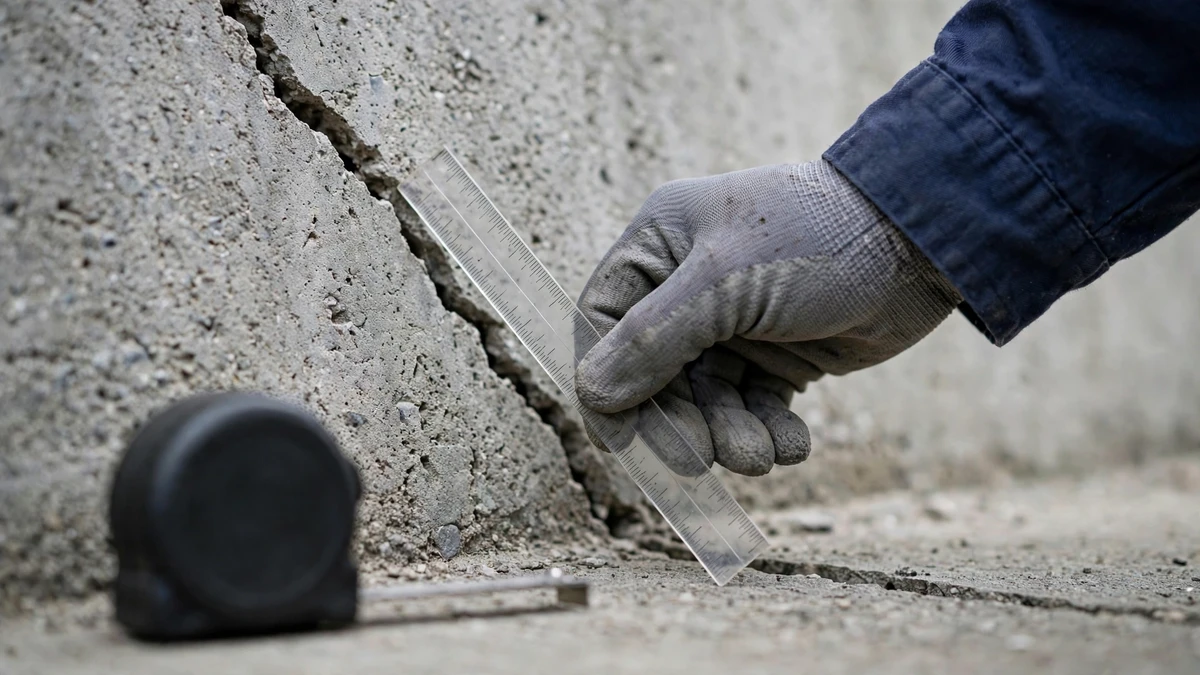
Before a crack is repaired, it's worth knowing whether it's still moving. Measuring a crack with a crack gauge and checking it again over weeks or seasons tells you whether the cause has stopped. Sealing a crack that is still opening will only hide the problem until the next crack appears, so the cause, often soil movement or water pressure, needs to be addressed first.
- One side of a crack offset from the other
- Stair-step cracks in block or brick
- Horizontal cracks in a basement wall
Other Foundation Repair Services
Pros serving Freeport also handle bowing and leaning wall repair, stoop, step and porch repair. These come up less often locally but follow the same approach: find the source, then fix it.
Before You Call: What to Check
- Check where downspouts discharge near the foundation.
- Note doors and windows that stick, and where floors slope.
- Photograph cracks with a ruler or coin for scale, and note the date.
- Find any past inspection reports or repair records.
How Local Pros Typically Handle the Job
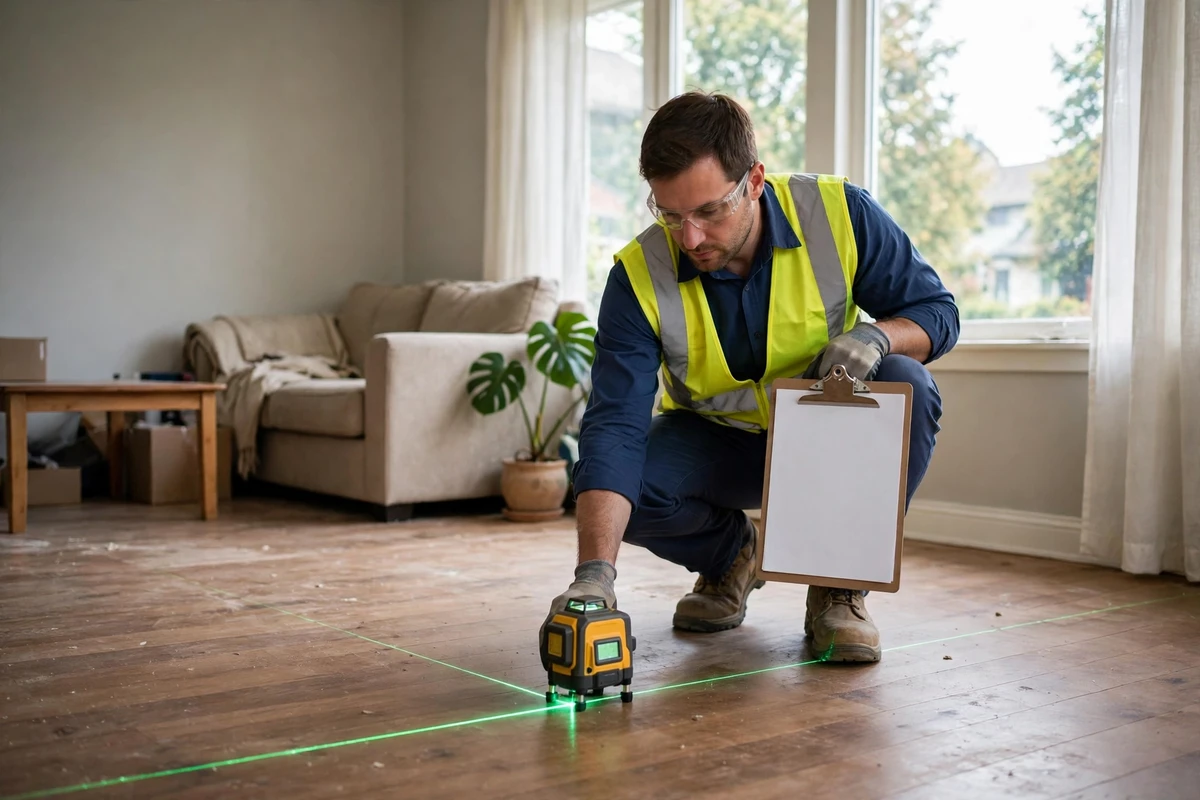
- Evaluation. Expect a floor-level survey, crack measurements and an inspection of walls and drainage.
- Cause. A good evaluation identifies the cause, not just the symptom, before proposing a repair.
- Repair plan. You get a written plan with the method, number of piers or anchors, permits and price.
- Repair and drainage. After the repair, drainage fixes such as downspout extensions or regrading help keep it stable.
Freeport Foundation Repair FAQ
Why do doors stick in my Freeport home?
Doors that stick or won't latch can be a sign of foundation movement, especially if cracks appear above door frames. Humidity can also swell doors, so note whether the problem comes and goes with the seasons. Saturated sandy soil can settle unevenly, which shows up as sloping floors and sticking doors.
Should I get a structural engineer in Freeport?
For major cracks, bowing walls, significant settlement, or when buying or selling a home, an independent engineer's report helps define the problem and makes contractor quotes easier to compare.
How long does foundation repair take in Freeport?
Crack injection is often finished in a day. Installing piers or wall anchors usually takes a few days, and larger jobs with excavation take longer. Permits and weather can affect timing.
Dawn Waterproofing connects homeowners with independent local service providers and does not perform the work. Availability, licensing, pricing and scheduling are set by the provider you speak with.